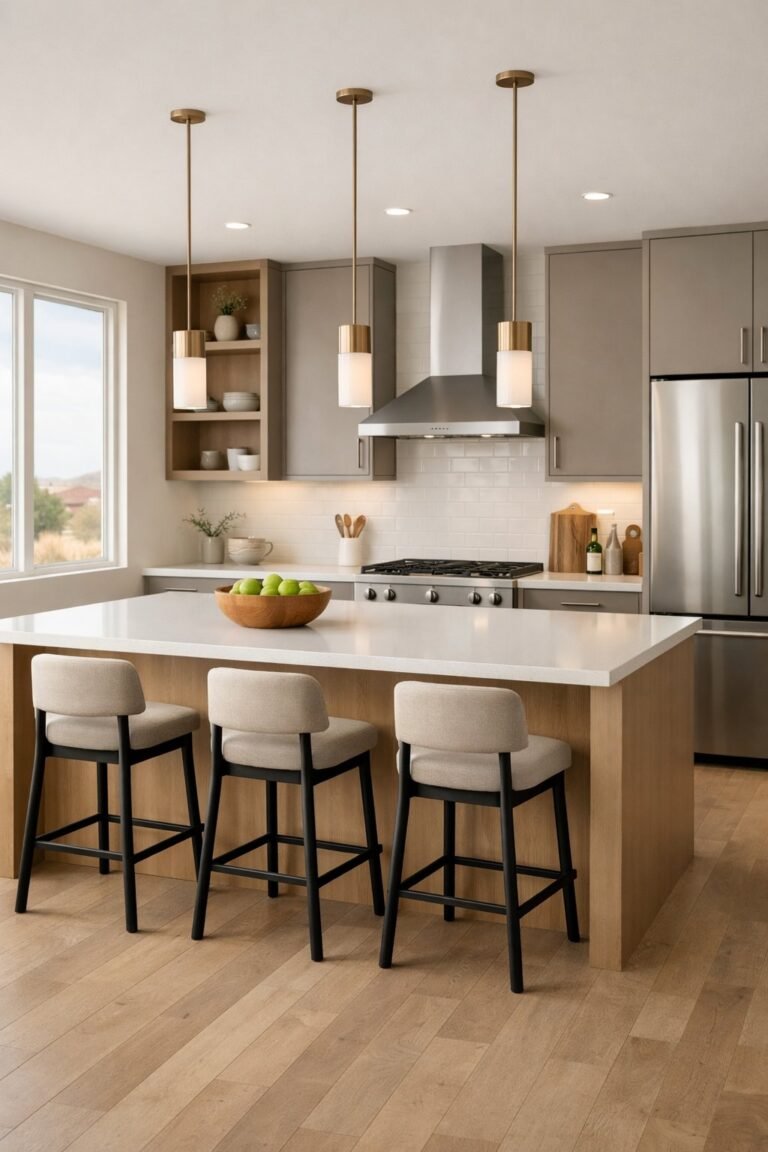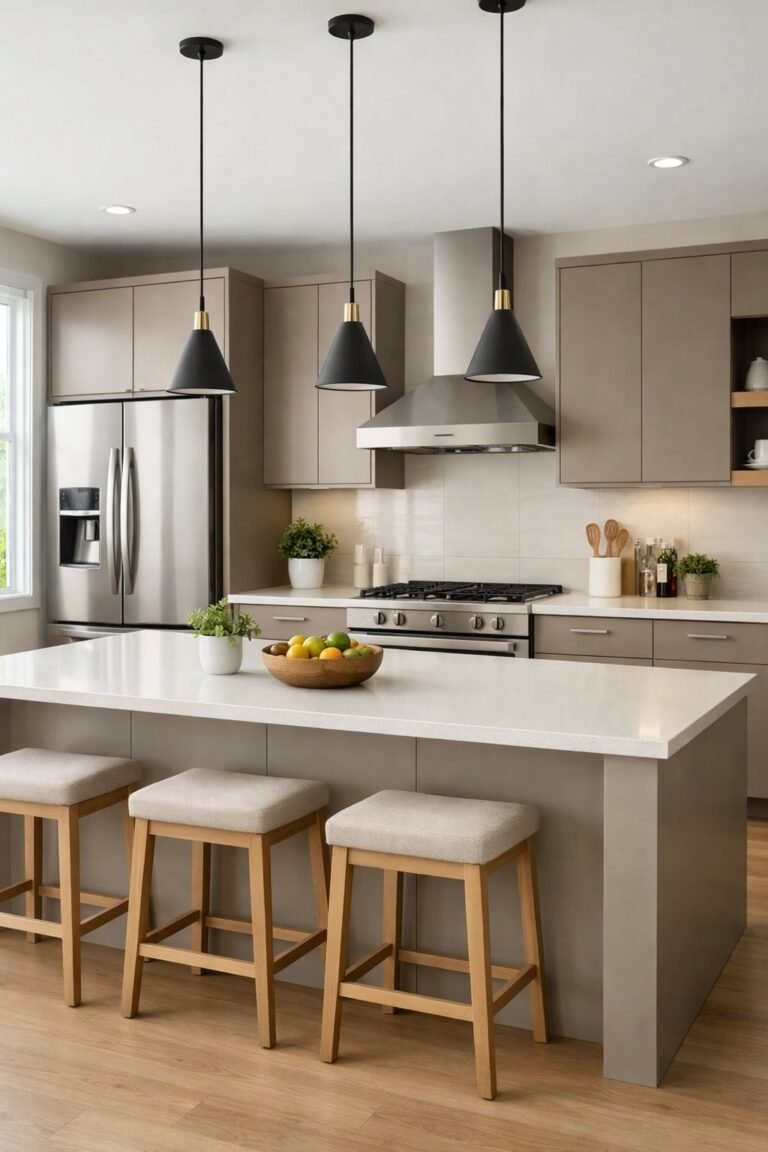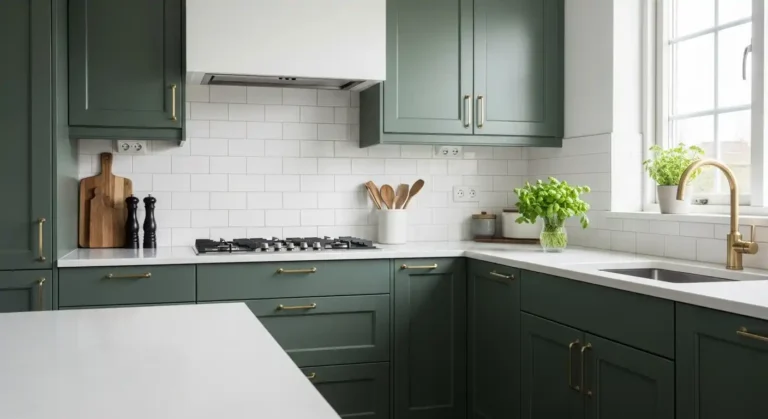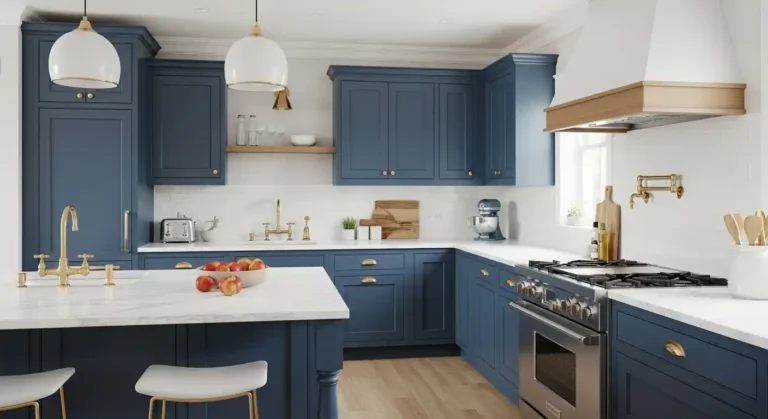

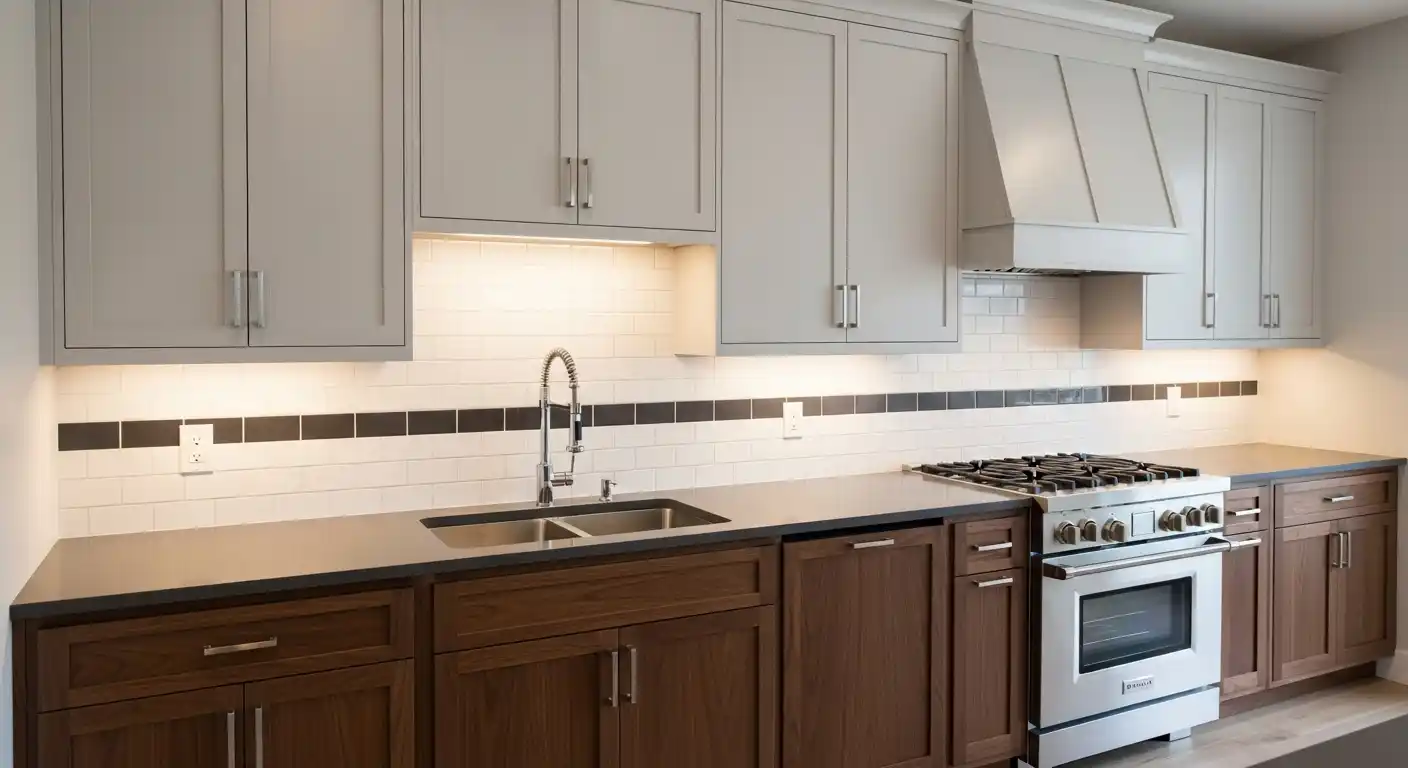
When I remodeled my kitchen last year, I spent weeks picking paint colors, countertops, and lighting. But when it came to the hardware, I froze.
I didn’t realize that something as small as a cabinet pull could change the entire mood of the kitchen. The wrong finish made my fresh cabinets look dull; the wrong shape felt clunky in my hand.
That’s when I understood: cabinet hardware isn’t an afterthought — it’s the jewelry of the kitchen. The perfect handles and knobs can tie every design detail together, adding balance, texture, and even personality.
Whether you’re updating old cabinets or designing from scratch, choosing the right hardware comes down to more than looks — it’s about proportion, finish, comfort, and how it fits into your everyday life.
Below, I’ll walk you through the ultimate guide to choosing kitchen cabinet hardware, so you can create a space that feels cohesive, stylish, and entirely your own.
The Crucial Role of Kitchen Cabinet Hardware
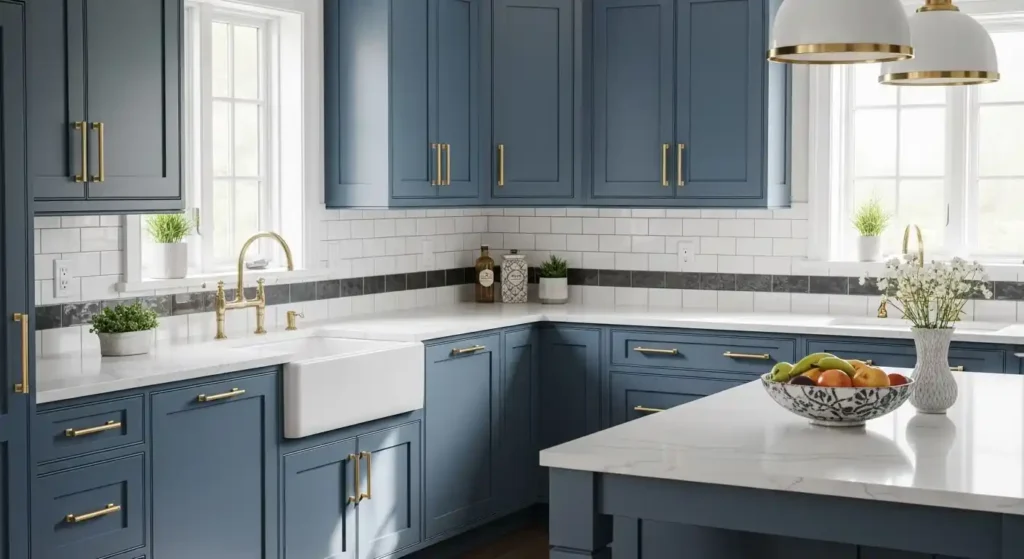
Cabinet hardware might seem like a minor detail, but it plays a crucial role in both the functionality and aesthetics of your space.
I like to think of your cabinet hardware as the jewelry of your kitchen; it adds the finishing touch that can elevate the overall look.
- Aesthetic Impact: The right hardware seamlessly blends with your cabinetry, enhances your kitchen’s style, and acts as a visual anchor.
- Daily Functionality: Hardware is the most frequently touched part of your kitchen. It needs to be durable and comfortable to use, withstanding daily wear and tear. Well-chosen hardware improves the usability of your cabinets and drawers.
- Ergonomics: Ergonomic designs that fit comfortably in your hand can make a significant difference, especially if you spend a lot of time cooking and preparing meals.
- Personal Style: Choosing hardware is a perfect opportunity to express your personal style, whether you prefer modern, minimalist, traditional, or ornate designs.
Types of Cabinet Hardware: Knobs vs. Pulls
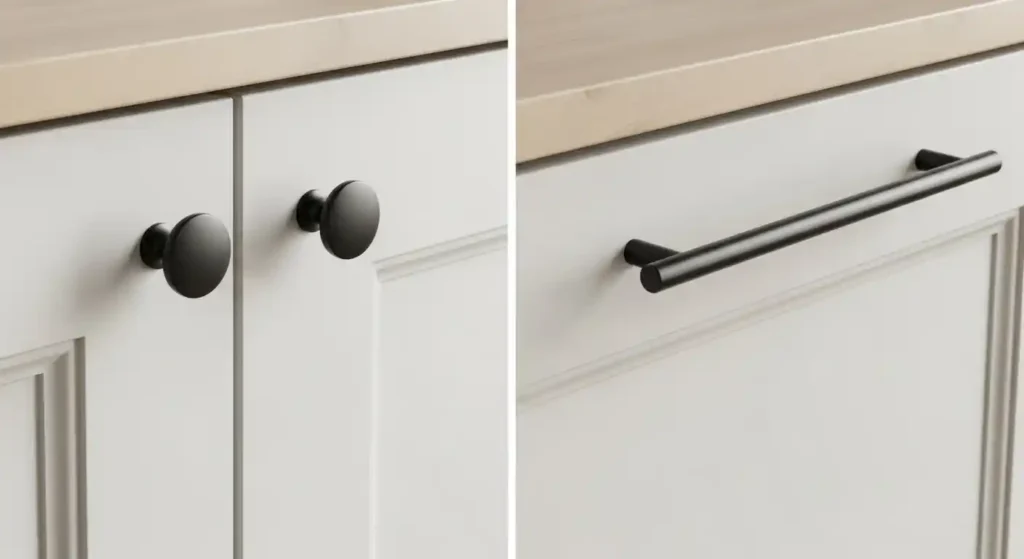
When it comes to cabinet hardware, you generally have two main options: knobs and pulls. Understanding the differences will help you make the best choice for your kitchen.
Knobs
- Installation: Typically smaller and installed with a single screw.
- Application: Often used on cabinet doors.
- Aesthetic: Simple and versatile, coming in a variety of shapes (round, square, decorative).
Pulls
- Installation: Larger and require two screws for installation.
- Application: Provide a more substantial grip, beneficial for larger doors and heavy drawers.
- Aesthetic: Come in various lengths and styles, such as bar pulls, cup pulls, and finger pulls, making a bolder statement often favored in modern designs.
My advice? I often recommend using a combination of both—placing knobs on cabinet doors and pulls on drawers for a balanced look that enhances functionality where it is most practical.
Material Matters: Choosing the Right Finish for Your Style
The material and finish of your cabinet hardware can significantly impact the overall look and feel of your kitchen. It’s essential to choose a finish that complements your kitchen’s style and will stand the test of time.
| Kitchen Style | Recommended Finishes & Materials | Aesthetic Characteristics |
| Modern/Contemporary | Stainless Steel, Brushed Nickel, Matte Black, Polished Chrome | Sleek, clean, durable, resistant to fingerprints and smudges. Works well with stainless steel appliances. |
| Traditional/Rustic | Oil-Rubbed Bronze, Antique Brass, Pewter | Rich, dark tones, vintage appeal, warmth, and character. Complements wood cabinetry and farmhouse styles. |
| Transitional/Eclectic | Mixed Finishes (e.g., Brushed Nickel and Oil-Rubbed Bronze) | Flexible, balanced, personalized. Can blend contemporary function with traditional detail. |
| Artistic/Unique | Glass, Ceramic, Acrylic | Can add a pop of color, texture, or an artistic, playful touch to the space. |
How to Measure for Cabinet Hardware
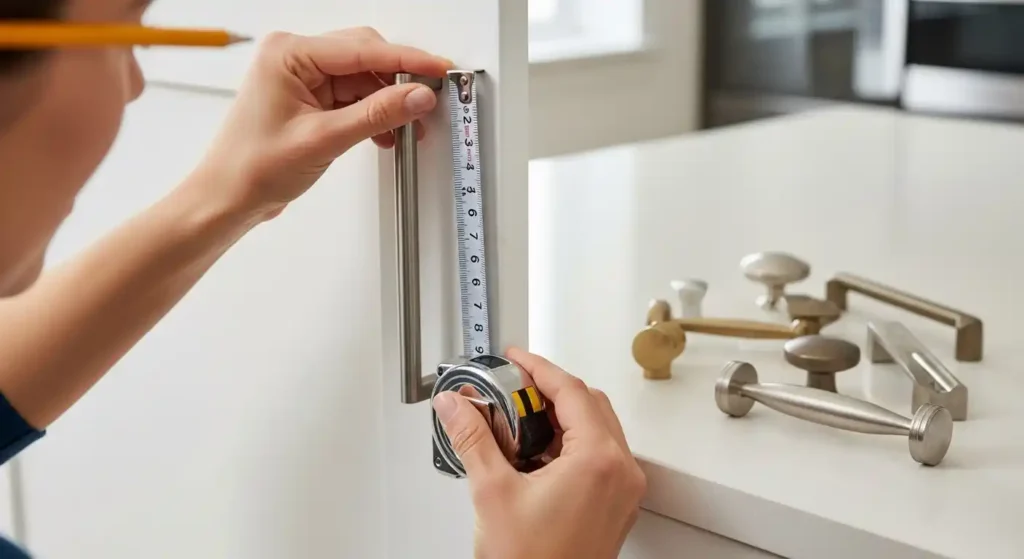
Accurate measurements are essential for ensuring your knobs and pulls fit perfectly and function properly. I can’t stress this enough: measure twice, drill once!
Sizing and Proportion
- Cabinet Doors: Hardware should be proportionate to the door size, typically ranging from one-third to one-half the width of the door.
- Drawers: Larger pulls are generally more practical, especially for wide or heavy drawers that require a sturdy grip.
Center-to-Center Measurement (For Pulls Only)
- This is the distance between the two screw holes.
- Standard measurements often range from 3 inches to 5 inches, but you can find pulls in a variety of lengths.
- It’s vital to choose pulls with a consistent center-to-center measurement for a cohesive look and easier installation across all your cabinets.
Placement Guidelines
| Cabinet Type | Typical Placement | Note on Variation |
| Upper Cabinet Doors | Knobs/Pulls are placed in the lower corner of the cabinet door. | This allows for easy access and a balanced appearance. |
| Lower Cabinet Doors | Knobs/Pulls are placed in the upper corner of the cabinet door. | Consistency in placement relative to the door’s edge is key. |
| Drawers | Pulls are often centered horizontally on the drawer face. | For wider drawers, consider installing two smaller pulls for added interest and functionality. |
Pro Tip: To ensure accuracy and avoid mistakes, use a template or jig when marking drill holes for your hardware. These tools help you achieve consistent spacing and alignment, making the installation process much smoother.
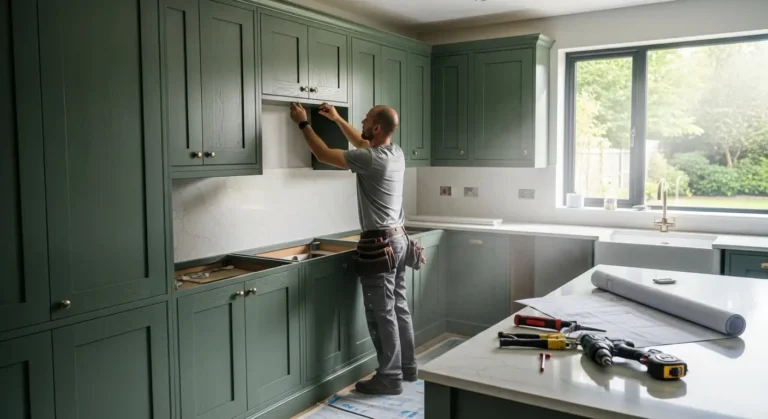
Installation: DIY vs. Hiring a Professional
Once you’ve selected the perfect hardware, the next step is installation. Your choice between DIY and professional depends on your comfort level, skills, and the complexity of the job.
DIY Installation
Pros:
- Cost-effective and a rewarding hands-on project.
- Allows you to work on your own schedule.
Cons:
- Requires patience and absolute accuracy to avoid damaging cabinetry.
- Requires basic tools (drill, measuring tape, template).
My recommendation: If you are confident with basic home projects and have a consistent center-to-center measurement across all your pulls, DIY can save you money.
Hiring a Professional
Pros:
- The professional has the experience and expertise to handle any challenges.
- Ensures hardware is installed correctly, efficiently, and with a flawless finish.
- Saves you time and prevents potential, costly mistakes.
Cons:
- Adds to the overall project cost.
My recommendation: If you have complex hardware configurations (e.g., custom sizes, different placements) or are not confident in your DIY skills, hiring a professional can provide peace of mind and a perfect result.
Budgeting for Cabinet Hardware: An Investment in Quality
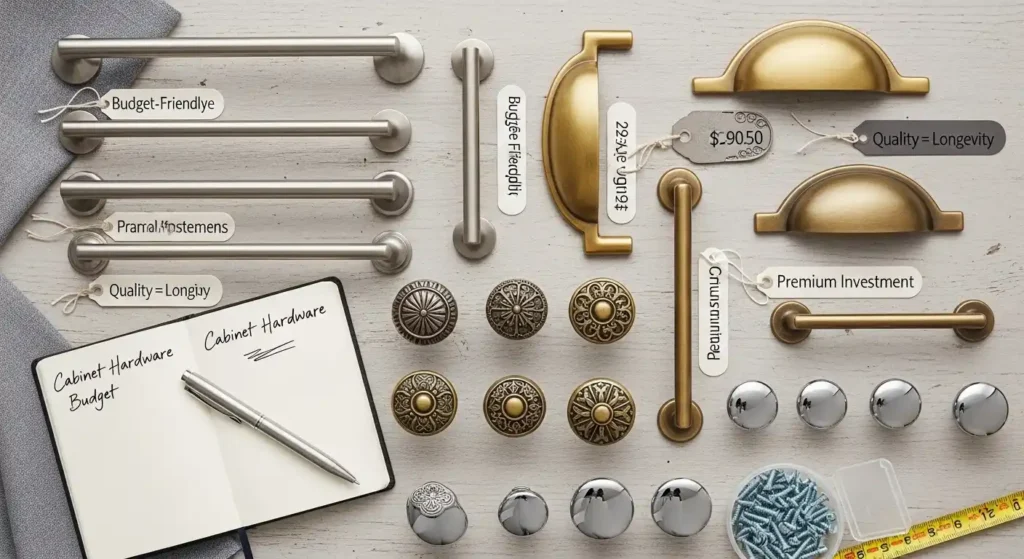
Budgeting for cabinet hardware is crucial, as the cost can vary widely. Remember that quality hardware is an investment in the longevity and functionality of your kitchen.
- Pricing Factors: Prices range from a few dollars for basic options to hundreds for high-end, solid materials (like solid brass or custom designs). Premium materials and unique, intricate designs will increase the cost per piece.
- Total Cost: Multiply the cost per piece by the total number of cabinets and drawers you have. Don’t forget to purchase a few extra pieces for future replacements or additions.
- Additional Expenses: Factor in the cost of tools (if DIY) or labor costs (if hiring a professional).
By budgeting wisely and prioritizing durable, quality pieces, you can find hardware that enhances your kitchen’s beauty without breaking the bank.
Conclusion: Elevate Your Kitchen
Choosing the perfect cabinet hardware is a vital step in unlocking your kitchen’s full potential. The right knobs and pulls not only enhance functionality but also add that stylish, personal touch.
By carefully considering material, finish, style, and budget, you are now equipped to make informed choices. Your attention to detail—from accurate measurements to choosing a cohesive design—will result in a harmonious and stylish kitchen.
You’re ready to transform your space into the beautiful and efficient culinary oasis you’ve always wanted!