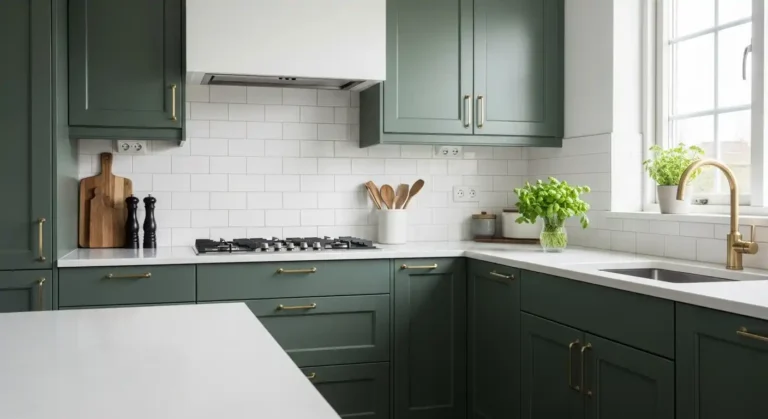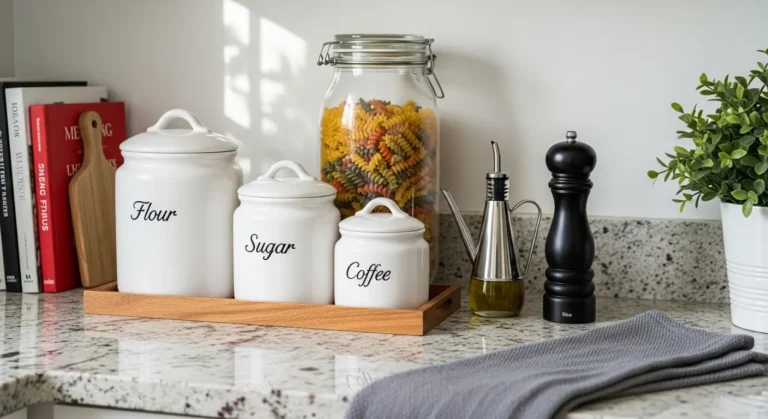

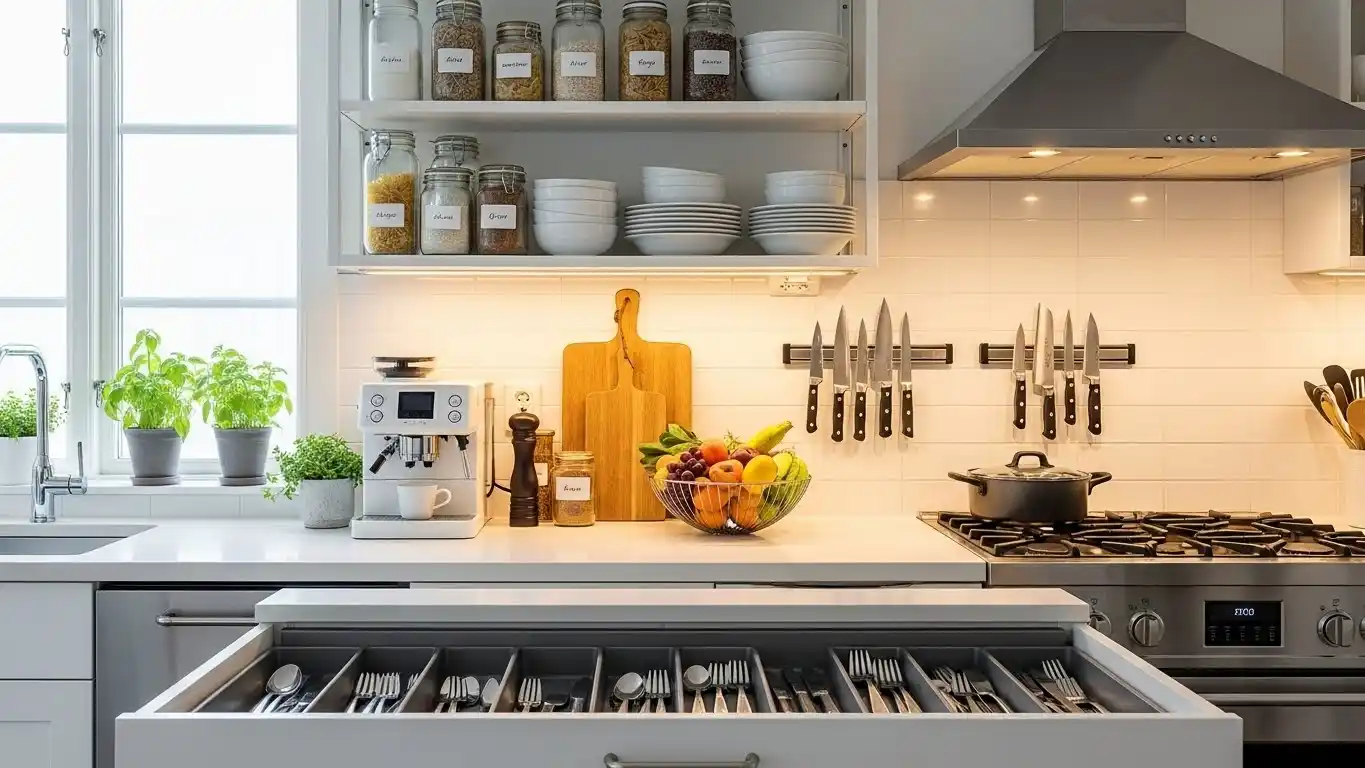
A messy kitchen can make cooking stressful. With these practical Kitchen Organization Tips, you can transform your space into an organized and efficient haven.

A cluttered kitchen can quietly drain your energy, patience, and time, especially when daily cooking already feels rushed or overwhelming.
That is why practical kitchen organization tips matter so much for modern homes, busy families, and anyone who wants smoother routines.
When your kitchen feels organized, you spend less time searching, cleaning, and reorganizing, and more time enjoying simple cooking moments.
Smart kitchen storage ideas help create an organized kitchen that supports real habits instead of fighting against them.
With thoughtful kitchen decluttering and functional layout choices, even small kitchens can feel calm, efficient, and welcoming every day.
This guide shares realistic kitchen organization tips designed to fit everyday life, not unrealistic magazine-perfect spaces.
How Kitchen Organization Tips Improve Daily Flow and Reduce Stress
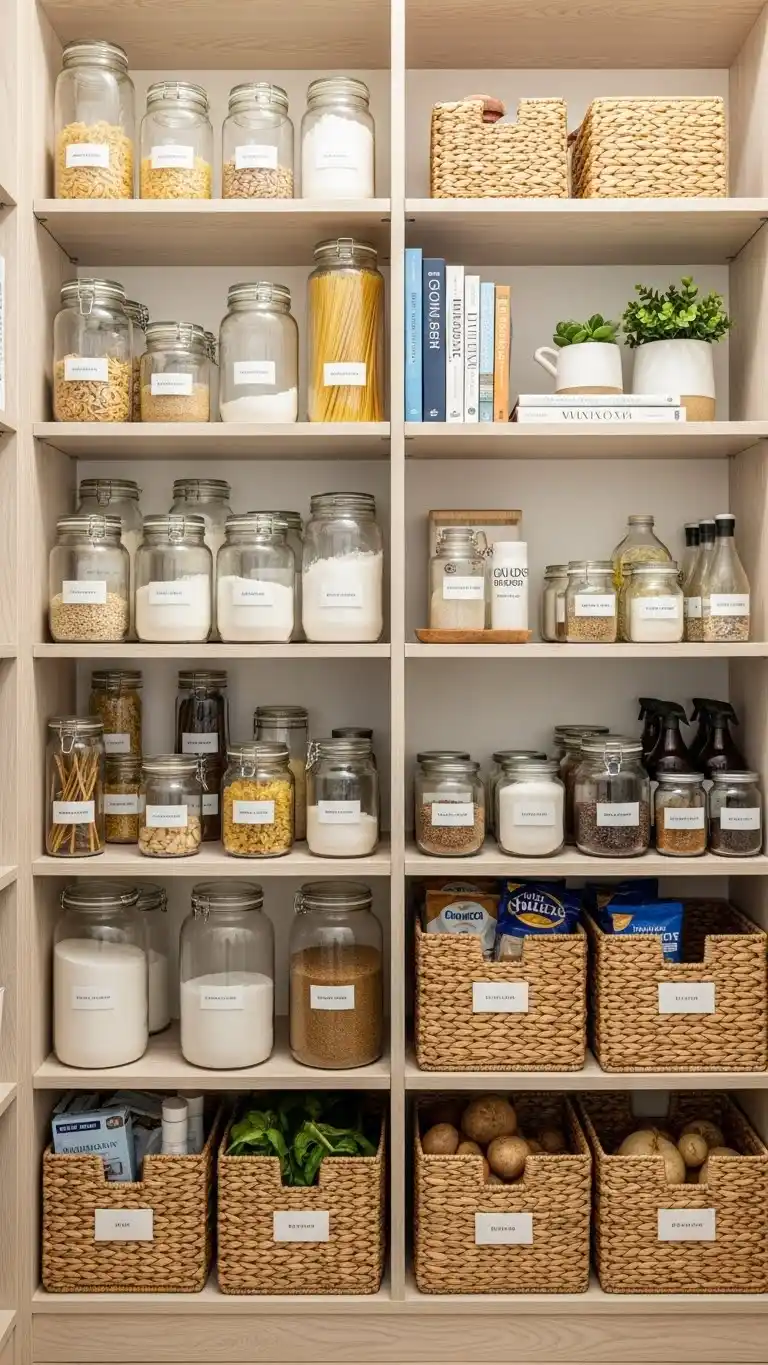
An organized kitchen improves more than appearance because it directly affects how smoothly tasks flow throughout the day.
When tools, ingredients, and supplies live in predictable places, cooking feels easier and cleanup becomes much faster.
Kitchen organization tips reduce decision fatigue by removing constant small frustrations like misplaced utensils or overcrowded cabinets.
Clear systems also help multiple people share the kitchen without confusion or repeated questions.
Instead of reacting to messes, you move confidently through meals with fewer interruptions.
Over time, organization builds consistency, helping the kitchen feel supportive rather than demanding attention after every meal.
Why Most Kitchens Struggle Without a Clear Organization Strategy

Many kitchens struggle because organization happens randomly instead of intentionally following daily habits.
People often buy storage products before understanding how they actually use their kitchen space.
This leads to overfilled drawers, unreachable cabinets, and clutter hiding behind closed doors.
Without simple kitchen organization tips guiding placement, items slowly drift away from logical locations.
Another common issue comes from keeping rarely used tools in prime storage zones.
When systems do not match real routines, even the best-looking kitchens become frustrating to maintain.
15 Kitchen Organization Tips for a Cleaner, Smarter Kitchen
1. Create Clear Zones for Cooking, Cleaning, and Storage
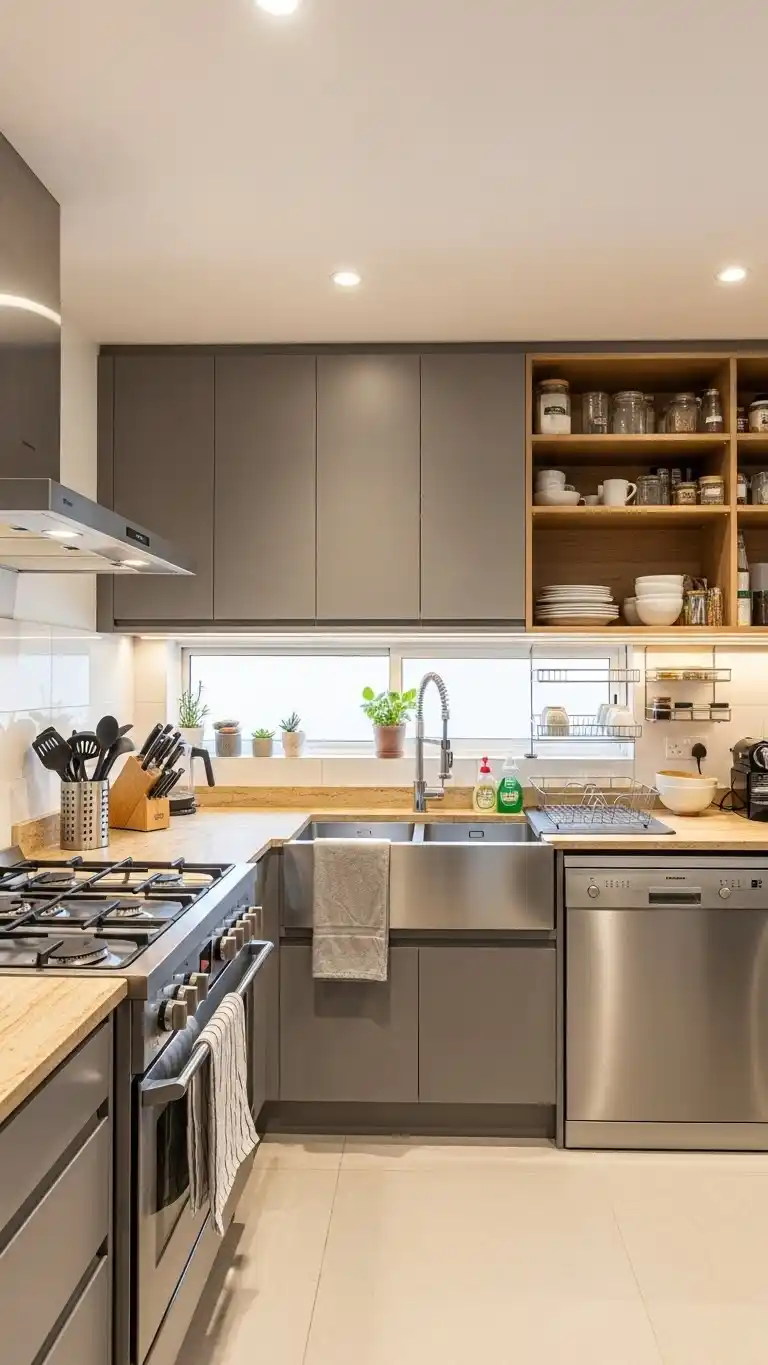
Creating clear zones helps your kitchen work with you instead of against your daily routine.
Designate areas for cooking, food preparation, cleaning, and storage based on how you naturally move.
Keep cookware near the stove, cutting tools near prep surfaces, and cleaning supplies close to the sink.
This kitchen organization tip reduces unnecessary steps and keeps tasks focused in one area.
When everything has a logical home, mess spreads less quickly across the kitchen.
Clear zones also make shared kitchens easier, because everyone understands where items belong without constant reminders.
2. Declutter Cabinets Before Adding Any Organizers
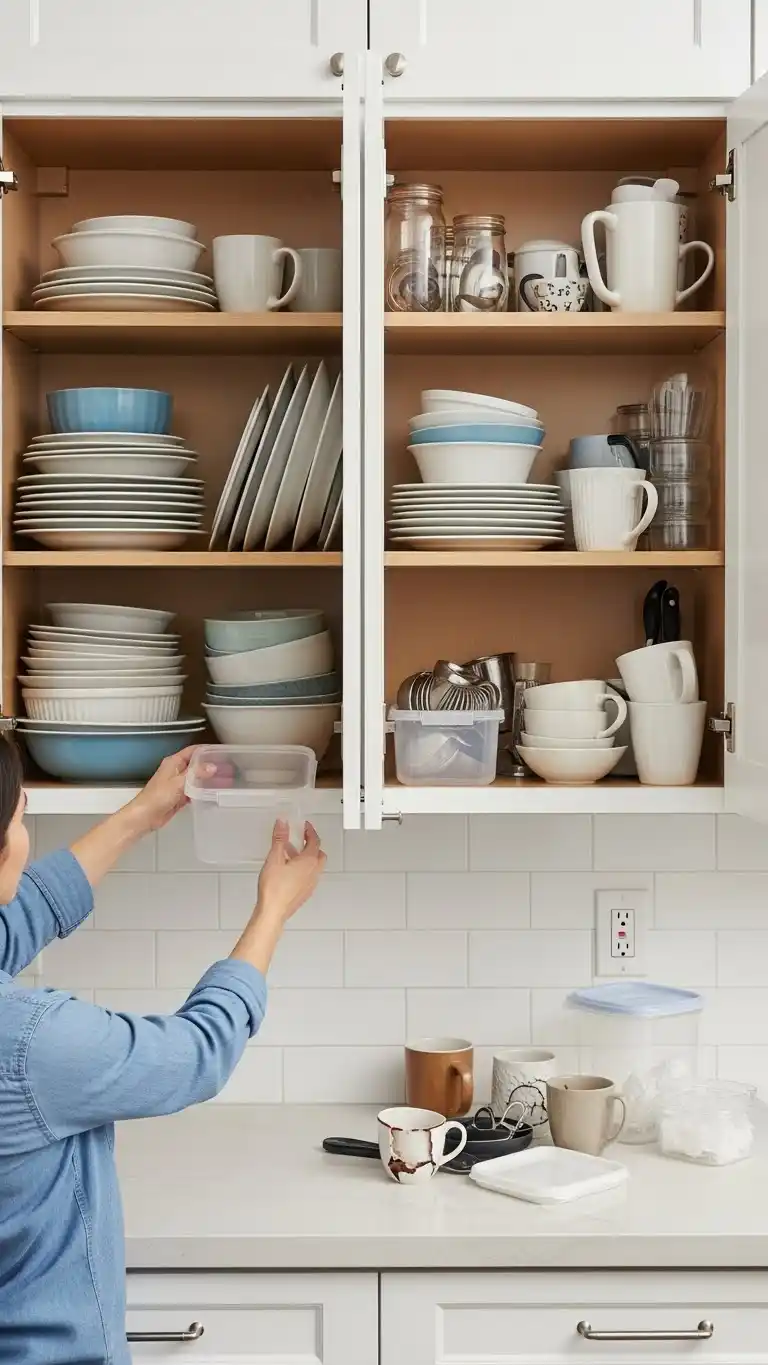
Decluttering always comes before organizing, even when new storage products seem tempting.
Remove items you rarely use, duplicates, and tools that no longer serve your cooking habits.
This kitchen organization tip prevents clutter from simply moving into prettier containers.
Once cabinets contain only useful items, organizers actually create order instead of hiding chaos.
Decluttering also helps you see how much space you truly need for everyday essentials.
A lighter cabinet setup makes future organization easier and far less overwhelming.
3. Use Drawer Dividers to Control Small Item Chaos
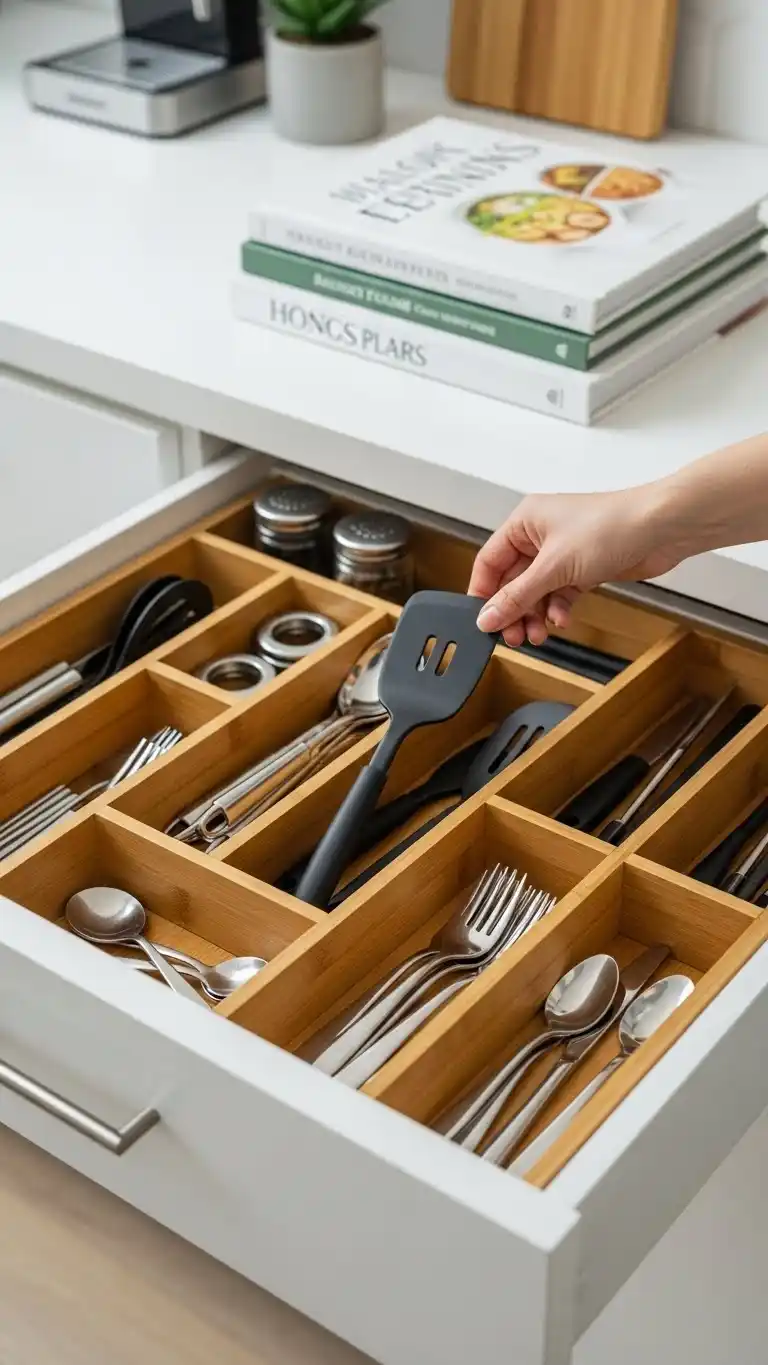
Drawers often become cluttered because small tools lack clear boundaries.
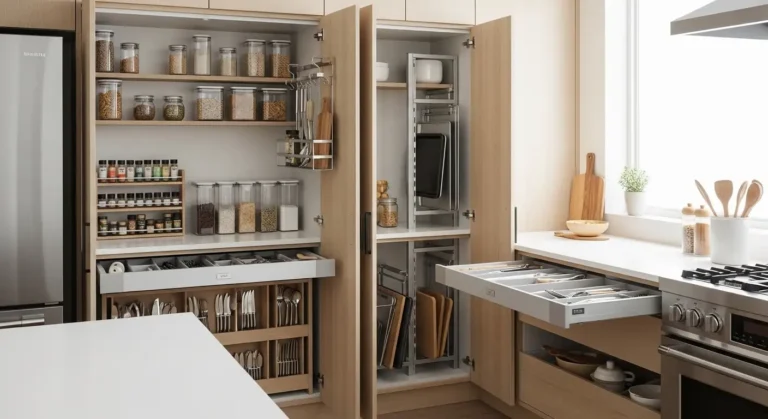
Drawer dividers create structure by giving every utensil, gadget, and tool a defined space.
This kitchen organization tip prevents items from shifting, tangling, or stacking awkwardly over time.
Adjustable dividers work best because they adapt as your kitchen needs change.
When drawers stay organized, cooking becomes faster and cleanup feels simpler.
Opening a tidy drawer also encourages consistent habits instead of quick, careless dumping.
4. Store Everyday Items at Arm’s Reach

Storing frequently used items within easy reach saves time and reduces physical strain.
Evaluate which tools you use daily and prioritize them in lower cabinets or top drawers.
This kitchen organization tip focuses on real habits instead of traditional storage rules.
Rarely used items should move to higher shelves or less accessible areas.
When your kitchen matches how you actually cook, routines feel effortless and natural.
Easy access encourages you to maintain order instead of avoiding cluttered spaces.
5. Maximize Vertical Cabinet Space with Shelf Risers

Vertical space inside cabinets often goes unused, limiting storage potential unnecessarily.
Shelf risers help create layers, allowing you to stack dishes or pantry items safely.
This kitchen organization tip improves visibility and prevents unstable piles from forming.
You can easily separate plates, bowls, or containers without overcrowding shelves.
Better vertical use means fewer items get pushed to the back and forgotten.
With shelf risers, cabinets feel roomier while staying organized and easy to manage.
6. Label Containers for Faster Identification and Long-Term Consistency

Labels remove guesswork and help your kitchen organization tips stay effective over time.
When containers are clearly labeled, you instantly know what belongs where without opening everything.
This becomes especially helpful in busy households where multiple people use the same storage areas.
Labels also support consistency, making it easier to return items to their correct spots after use.
Choose simple, readable labels that match your kitchen style without overwhelming the space visually.
A clear labeling system reduces clutter creep and helps your organized kitchen feel calm and predictable daily.
7. Store Items Based on Frequency, Not Category Alone

Traditional organization often focuses only on categories, but frequency matters just as much.
Store items you use daily in the most accessible locations, even if they belong to different categories.
This kitchen organization tip adapts your space to real habits instead of rigid rules.
Less-used items can live higher or farther away without disrupting your workflow.
When storage matches how often you cook and prepare meals, frustration decreases noticeably.
Your kitchen becomes easier to maintain because everything feels placed with purpose and intention.
8. Use Clear Bins to See What You Actually Have
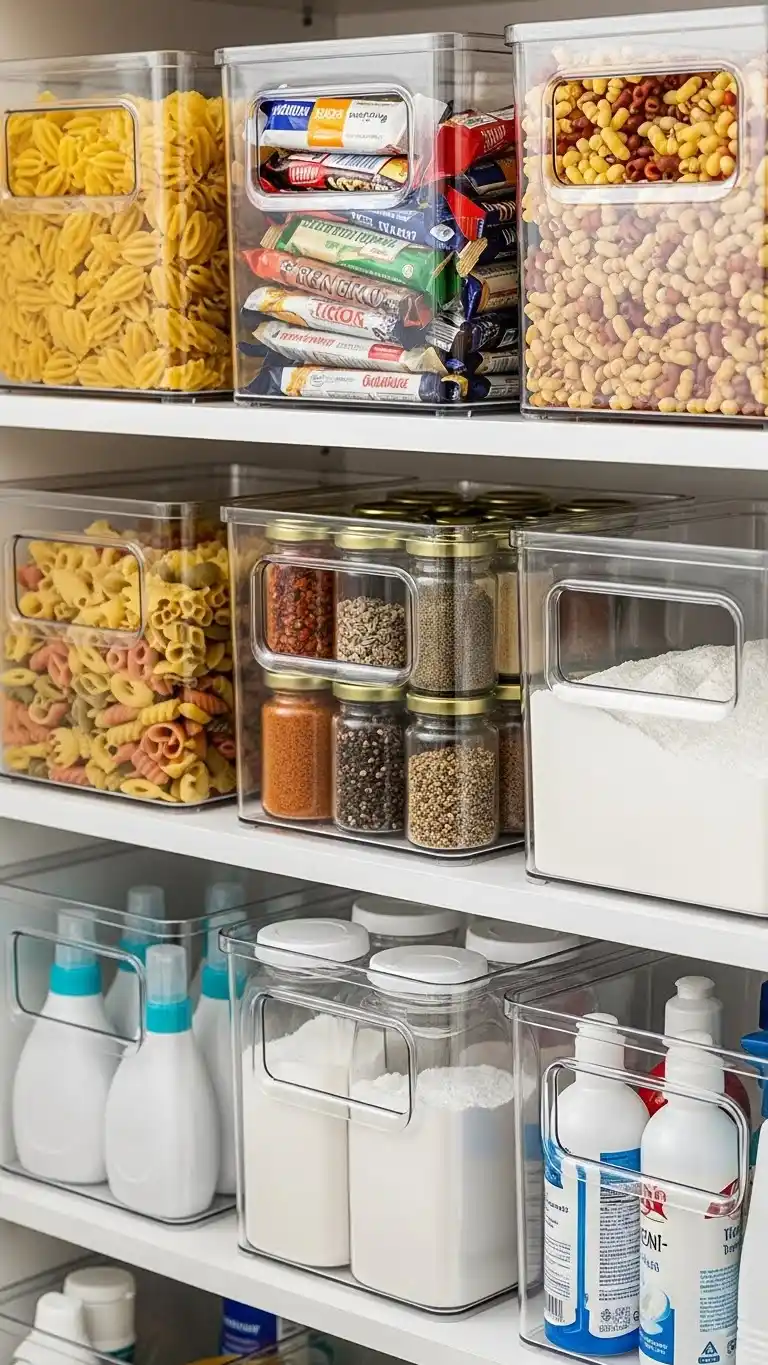
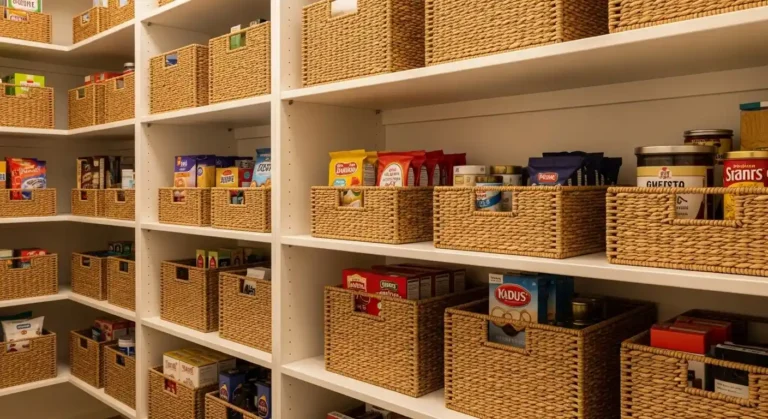
Clear bins eliminate the problem of forgotten items hiding behind cluttered shelves.
When you can see contents instantly, you avoid overbuying and reduce unnecessary waste.
This kitchen organization tip works especially well for pantry staples, snacks, and baking supplies.
Clear bins also help maintain order because missing items become obvious immediately.
Grouping similar items inside bins keeps shelves neat while allowing flexibility.
Visibility encourages smarter shopping habits and keeps your kitchen storage system working smoothly.
9. Keep Countertops Intentionally Minimal
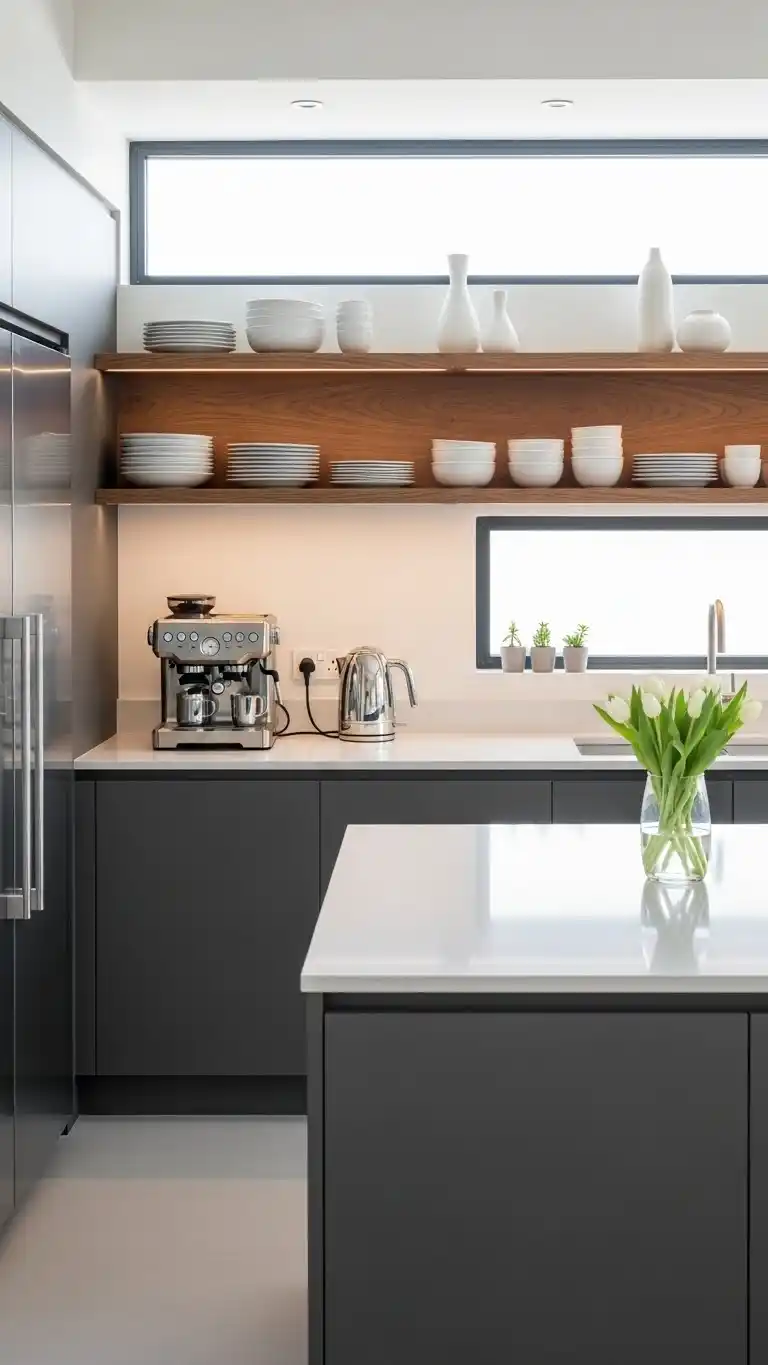
Clear countertops create visual calm and make kitchens feel larger and more inviting.
Only keep essential daily items on the counter while storing everything else nearby.
This kitchen organization tip reduces cleaning time and prevents clutter from spreading quickly.
A minimal surface also gives you more room for food preparation and serving.
When counters stay open, kitchens feel more functional without sacrificing warmth or personality.
Intentional countertop organization supports better habits and keeps messes manageable.
10. Use Door Space for Extra Storage Opportunities
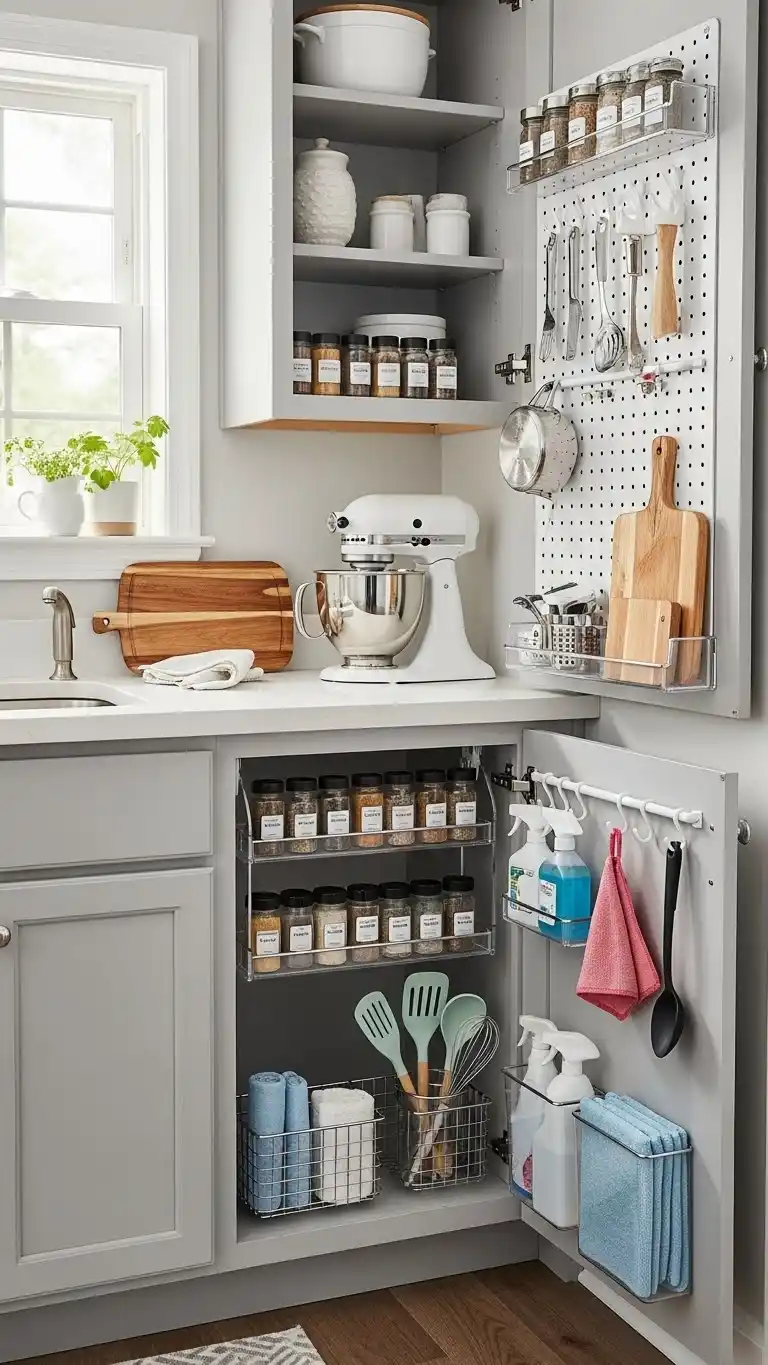
Cabinet doors offer valuable storage space that many kitchens overlook completely.
Lightweight organizers or hooks can hold wraps, lids, or cleaning cloths efficiently.
This kitchen organization tip adds storage without crowding shelves or drawers.
Always measure carefully to ensure doors close smoothly without strain.
Door storage works best for items you need often but want out of sight.
Using door space thoughtfully helps maximize every inch of your kitchen layout.
11. Group Similar Items Together for Faster Access
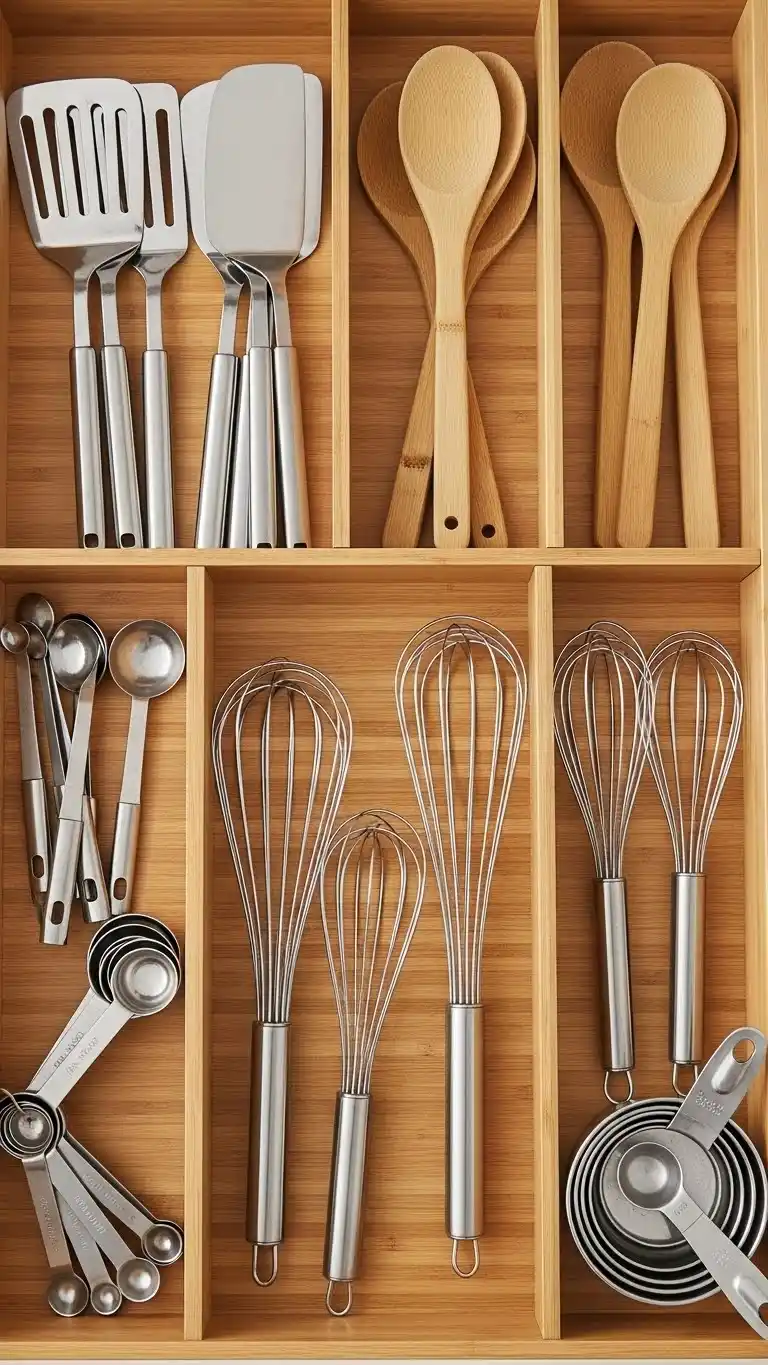
Grouping similar kitchen items creates order that feels natural and easy to maintain.
When tools, containers, or supplies live together, you spend less time searching during busy cooking moments.
This kitchen organization tip helps drawers and cabinets stay organized longer without constant reshuffling.
Create small categories such as food prep tools, baking essentials, or serving pieces.
Clear groupings also help other household members return items correctly without asking questions.
Over time, grouped storage builds muscle memory, making your kitchen feel intuitive and supportive.
12. Rotate Seasonal or Rarely Used Items Out of Prime Space

Not every kitchen item deserves the most accessible storage location year-round.
Seasonal or rarely used tools should move to higher shelves or secondary cabinets.
This kitchen organization tip frees up valuable space for everyday essentials.
Rotating items keeps your kitchen flexible and prevents overcrowding in high-use areas.
A simple rotation system also makes it easier to clean and reorganize periodically.
When prime storage holds only daily tools, cooking becomes faster and more enjoyable.
13. Use Shallow Containers to Avoid Overcrowding
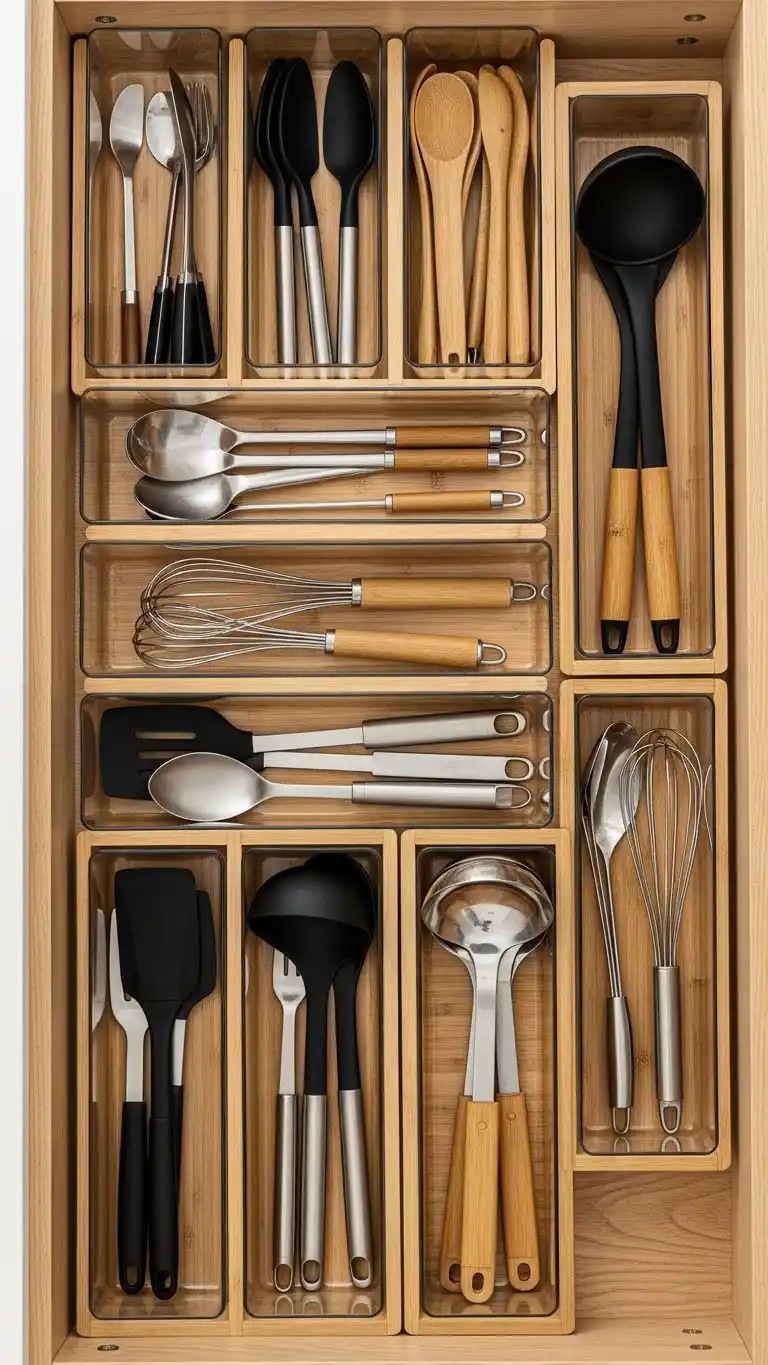
Deep containers often encourage overfilling, making items harder to find and remove.
Shallow containers limit stacking and help you see everything at a glance.
This kitchen organization tip works well for drawers, shelves, and pantry storage.
Controlled depth encourages thoughtful organization instead of forced squeezing.
Shallow bins also make cleaning easier and prevent forgotten items from piling up.
With better visibility, your kitchen stays organized without frequent reworking.
14. Establish Simple Reset Routines

Organization lasts longer when you support it with small, consistent habits.
A quick daily reset keeps clutter from accumulating after meals.
This kitchen organization tip focuses on maintenance instead of constant deep cleaning.
Returning items to their zones immediately prevents mess from spreading.
Weekly visual check-ins help catch small issues before they become overwhelming.
Simple routines protect your system without demanding extra time or effort.
15. Adjust Your System as Your Lifestyle Changes
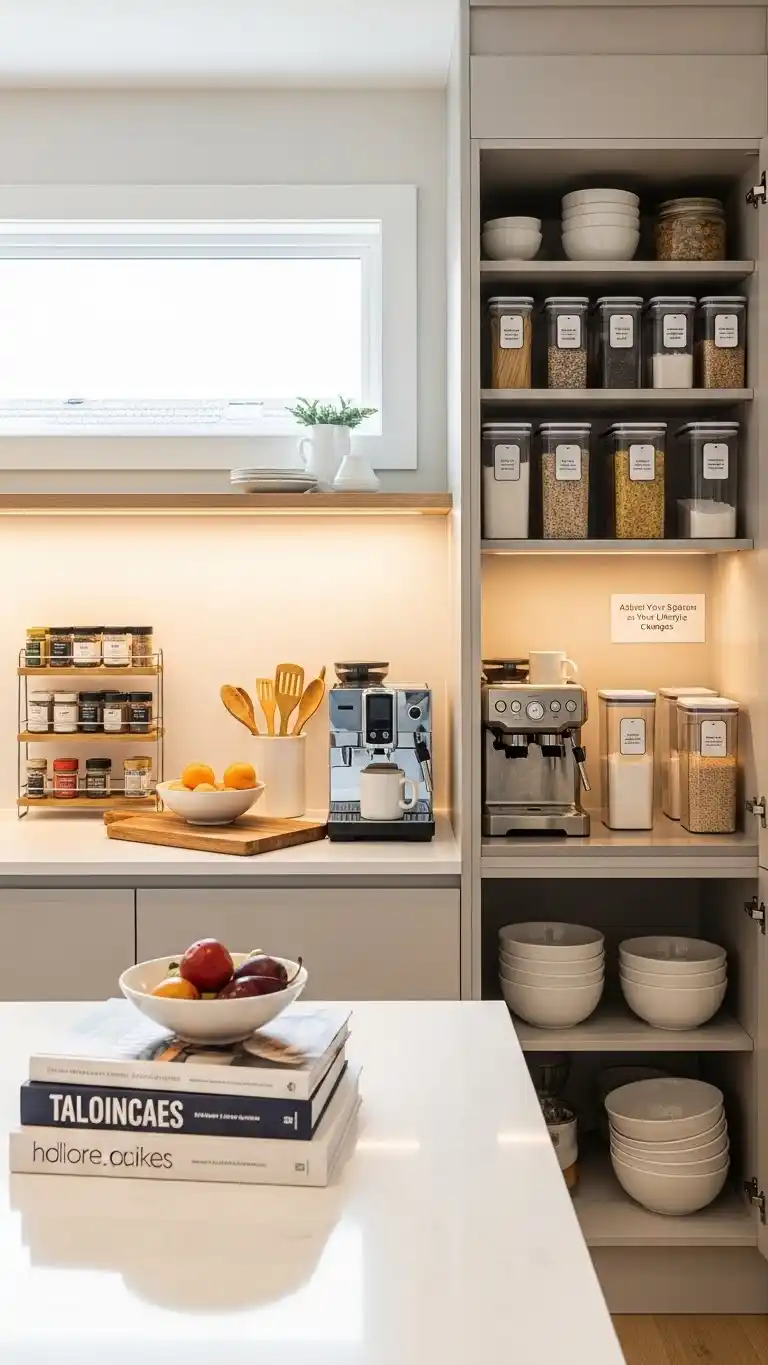
Kitchen organization should evolve alongside your routines and household needs.
What worked before may not fit current cooking habits or schedules.
This kitchen organization tip encourages flexibility instead of rigid perfection.
Reassess storage zones when routines shift or family needs change.
Small adjustments keep your kitchen functional without major overhauls.
An adaptable system stays useful long-term and feels supportive, not restrictive.
How to Maintain Kitchen Organization Without Feeling Overwhelmed
Maintaining organization becomes easier when systems match real daily behavior.
Focus on habits that feel natural instead of strict rules that feel exhausting.
Returning items immediately helps preserve order without extra effort.
Short maintenance sessions work better than occasional large cleanouts.
Consistency matters more than perfection for long-term kitchen organization success.
Budget-Friendly Kitchen Organization Tips That Actually Work
Effective kitchen organization tips do not require expensive products or custom systems.
Simple bins, reused containers, and basic dividers can create strong structure.
Focus on function first, then adjust visuals gradually over time.
Thoughtful placement often matters more than the storage item itself.
Budget-friendly solutions still deliver calm, efficient, and organized kitchens.
Final Wrap-Up: Small Kitchen Organization Tips That Make a Big Difference
Kitchen organization tips work best when they support daily habits and realistic routines.
Small changes often create the biggest improvements in how kitchens function.
Start with one or two tips and build gradually without pressure.
An organized kitchen saves time, reduces stress, and supports enjoyable cooking.
With thoughtful systems, your kitchen becomes a space that truly works for you.