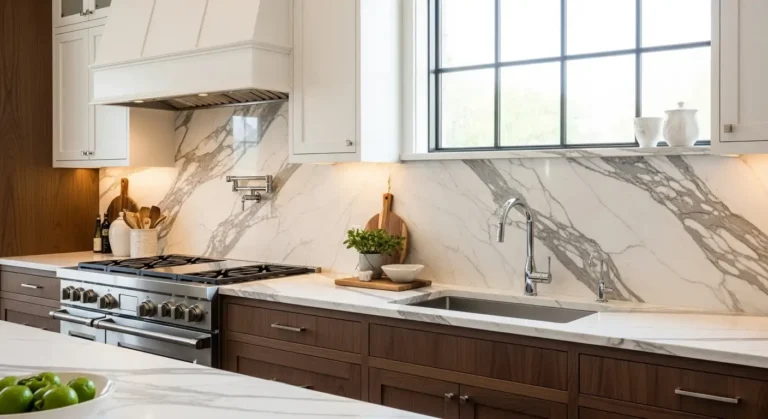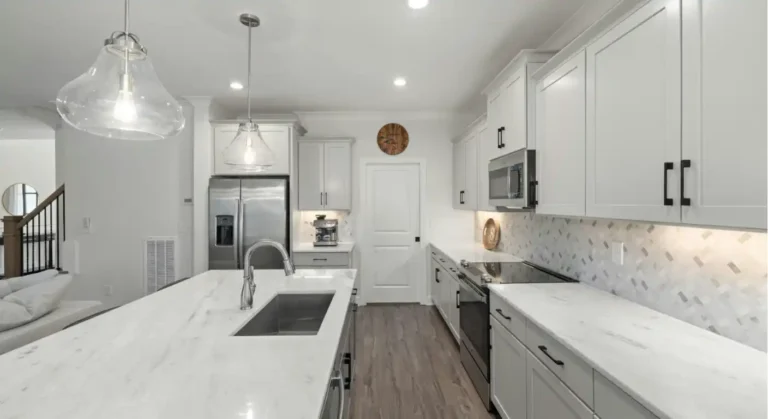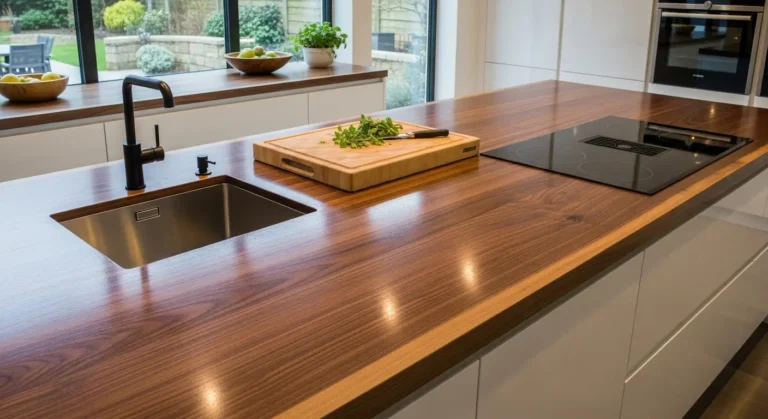


When I told my accountant we were redoing our kitchen, she smiled and said, “Just make sure you keep your receipts.” I didn’t think much of it — I thought she was joking.
But after months of planning, buying materials, and watching invoices pile up, that advice suddenly made sense.
The question of whether kitchen remodeling costs are tax deductible isn’t as straightforward as it sounds. It depends on why you’re remodeling.
For most homeowners, a new kitchen is a personal upgrade — not a deductible expense. But if that same remodel improves your home’s value or supports a home office, rental, or medical need, the tax story changes dramatically.
I learned that some improvements may reduce your capital gains tax later, while others can qualify for energy credits right now. It’s not about loopholes — it’s about knowing how the system views your kitchen.
After sorting through my own receipts and speaking to experts, I realized a well-planned remodel can offer more than just a beautiful kitchen — it can offer financial advantages too. In this article, we’ll explore the key tax rules every homeowner should know before tackling a remodel.
Understanding the General Rule

For most homeowners, kitchen remodeling costs for personal residences are not immediately tax deductible as personal expenses.
The IRS generally considers home improvements as capital investments that add value to your property rather than deductible expenses. However, this doesn’t mean your kitchen remodel provides no tax benefits whatsoever.
When you invest in a kitchen remodel, these costs typically get added to your home’s cost basis – the original purchase price plus improvements.
This increased basis can reduce your capital gains tax liability when you eventually sell your home, potentially saving you thousands of dollars in the future.
Key Exceptions That Allow Tax Deductions

While the general rule limits immediate deductions, several important exceptions exist that could make your kitchen remodeling project eligible for tax benefits:
Energy-Efficient Improvements
One of the most significant opportunities for tax savings comes through energy-efficient upgrades during your kitchen remodel.
Energy-efficient appliances, windows, insulation, and HVAC systems installed as part of your kitchen renovation may qualify for these credits.
Additionally, if you install solar panels or other renewable energy systems, you could be eligible for the Residential Clean Energy Credit, which provides a 30% credit on qualified installations through 2032.
Business Use of Your Home
If you use your home for business purposes, a portion of your kitchen remodel costs might be deductible.
This applies if you regularly use your kitchen for business activities, such as catering, food blogging, or running a home-based food business.
The deductible amount would be proportional to the business use percentage of your home.
Medical Necessity
Kitchen modifications made for medical reasons can qualify for tax deductions as medical expenses.
If you need to modify your kitchen to accommodate a disability or medical condition – such as lowering countertops for wheelchair accessibility or installing special equipment for a health condition – these costs may be deductible if they exceed 7.5% of your adjusted gross income.
Rental Property Improvements
If your kitchen remodel is for a rental property, the situation changes dramatically. Improvements to rental properties are generally deductible business expenses, either immediately or through depreciation over time.
This makes kitchen renovations for investment properties much more tax-advantageous than personal residence improvements.
Capital Improvements vs. Repairs

Understanding the difference between capital improvements and repairs is crucial for tax purposes.
The IRS considers most kitchen remodels as capital improvements because they add value, extend the home’s useful life, or adapt it to new uses.
Capital improvements include:
- Installing new cabinets and countertops
- Adding kitchen islands or breakfast bars
- Upgrading electrical or plumbing systems
- Installing new flooring
- Major appliance installations
These improvements must be added to your home’s basis rather than deducted immediately.
However, simple repairs and maintenance – like fixing a leaky faucet or replacing a broken cabinet door – can sometimes be deducted in the year they occur if they’re for business or rental properties.
Documentation and Record-Keeping
Proper documentation is essential regardless of which tax strategy applies to your kitchen remodel. Keep detailed records of all expenses, including:
- Contractor invoices and receipts
- Material purchase receipts
- Permit costs
- Before and after photos
- Energy efficiency certifications for qualifying equipment
This documentation will be invaluable whether you’re claiming immediate credits, adding costs to your home’s basis, or supporting business-related deductions.
Strategic Tax Planning for Kitchen Remodels

To maximize tax benefits from your kitchen renovation, consider these strategic approaches:
Timing Matters: If you’re planning energy-efficient upgrades, ensure they’re completed within the tax year you want to claim credits. The timing of your project can significantly impact your tax benefits.
Separate Energy-Efficient Components: When possible, separate energy-efficient elements from purely aesthetic improvements. This makes it easier to track and claim eligible credits while properly categorizing other expenses.
Consider Phased Improvements: If you’re planning extensive renovations, consider phasing them across tax years to optimize your ability to claim annual credit limits.
Professional Guidance is Essential
Given the complexity of tax laws surrounding home improvements, consulting with a qualified tax professional is highly recommended. They can help you:
- Identify all applicable deductions and credits
- Properly categorize your improvement expenses
- Develop a tax-advantageous renovation timeline
- Ensure compliance with current IRS regulations
Tax laws change frequently, and what’s deductible in one situation may not apply to another. A tax professional can provide personalized advice based on your specific circumstances and local tax regulations.
Looking Ahead: Future Tax Benefits
Even if your kitchen remodel doesn’t provide immediate tax deductions, remember that these improvements typically increase your home’s value and reduce future capital gains taxes.
When you eventually sell your home, the increased cost basis from your kitchen renovation can significantly reduce your taxable gain.
The $250,000 (single) or $500,000 (married filing jointly) capital gains exclusion for primary residences, combined with your improved cost basis, can potentially eliminate capital gains taxes entirely on your home sale.
Conclusion
While kitchen remodeling costs aren’t universally tax deductible for personal residences, numerous opportunities exist to reduce your tax burden through energy-efficient upgrades, business use deductions, or medical necessity exceptions.
The key is understanding which rules apply to your specific situation and maintaining proper documentation throughout your renovation process.
By working with qualified professionals and staying informed about current tax regulations, you can make strategic decisions that maximize both the enjoyment of your new kitchen and the tax benefits of your investment.