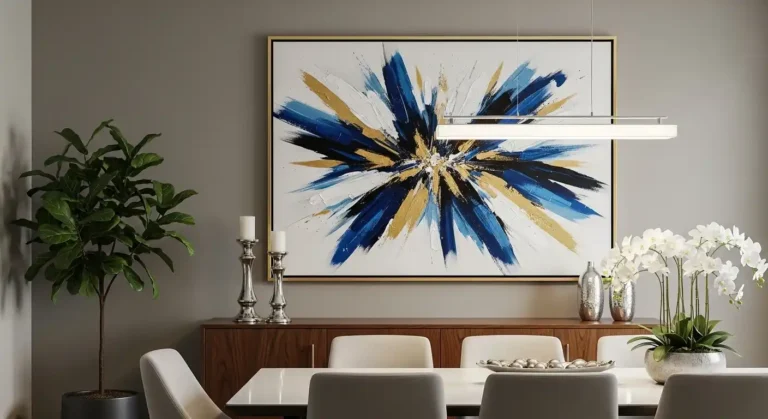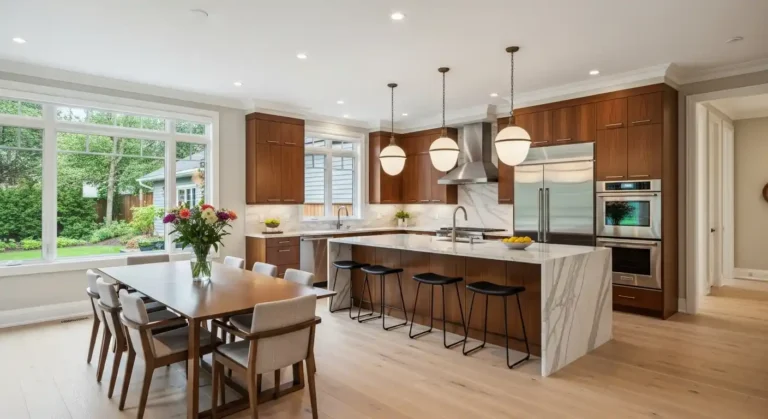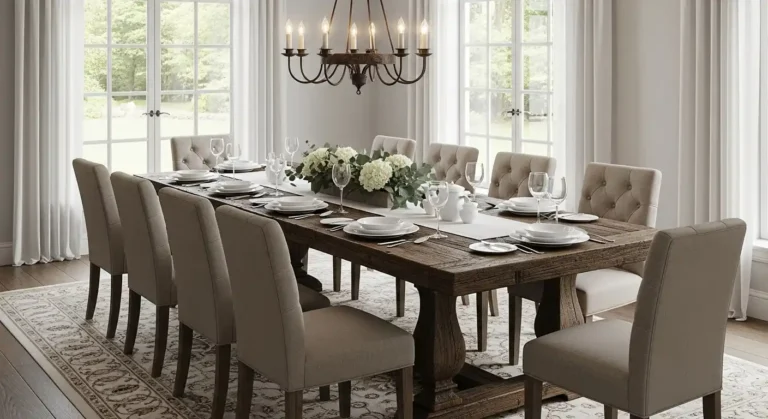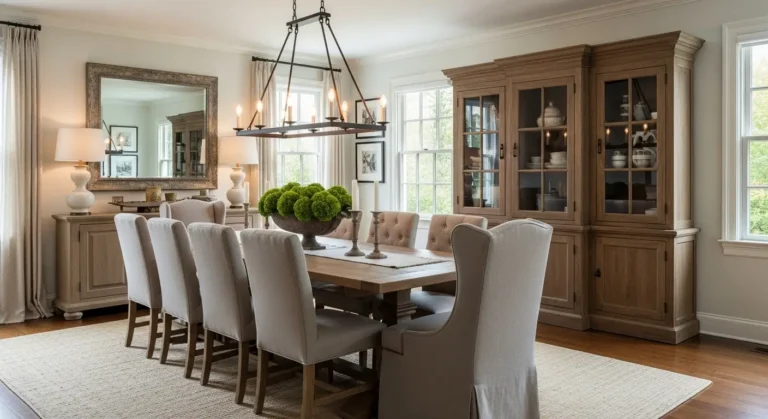

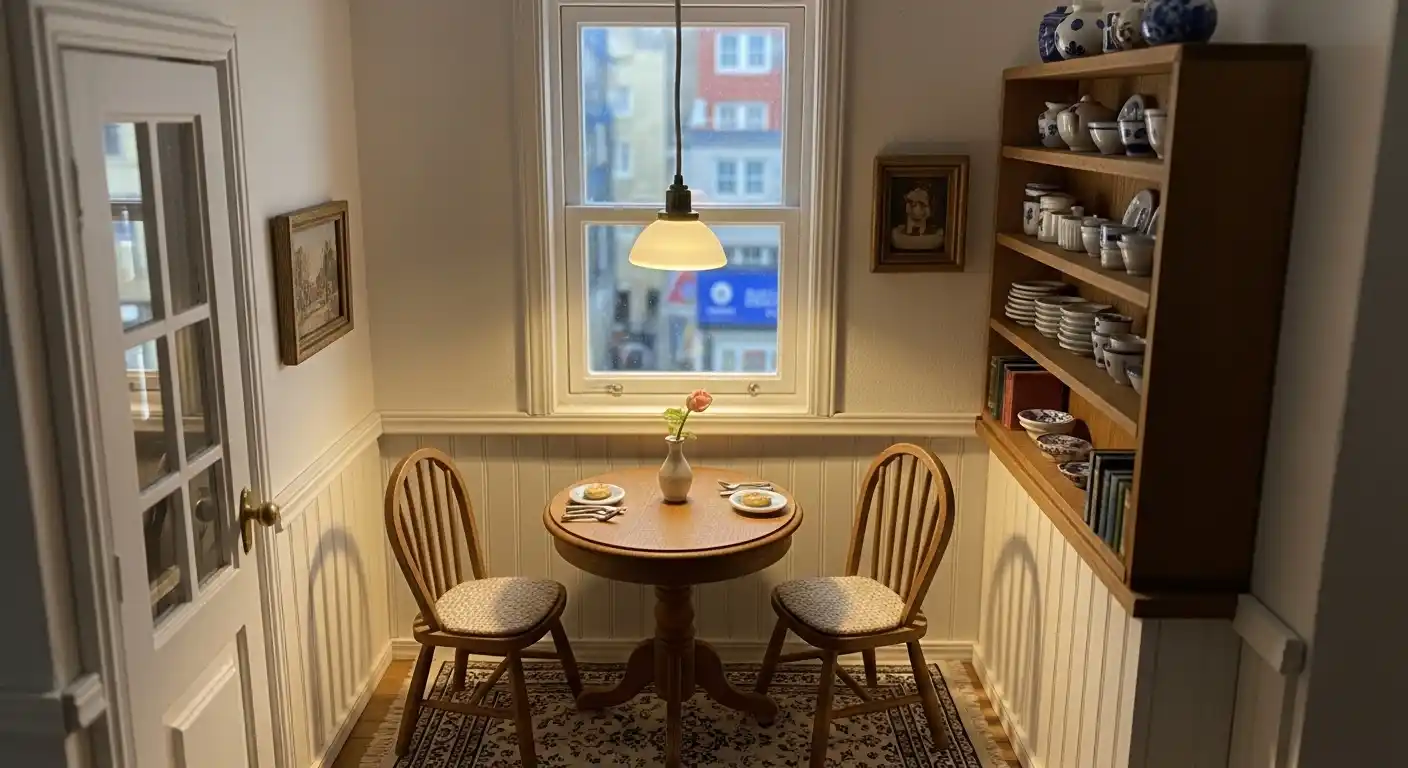
Struggling to make your small dining room feel cozy and stylish? These tiny dining room ideas will help you maximize space while creating a warm and inviting place for meals.
Struggling to make your compact dining area feel both functional and fabulous? You’re not alone.
Many of us dream of a grand dining hall, but reality often serves up a cozy nook. The good news? A small space is an opportunity to get creative.
With smart furniture choices, clever storage hacks, and a dash of design magic, your tiny dining room can become the most charming and efficient spot in your home.
Forget feeling cramped and start embracing the cozy.
Ready to transform your petite area? Let’s dive into 25 tiny dining room ideas that prove big style comes in small packages.
25 Tiny Dining Room Ideas
1. Embrace the Banquette
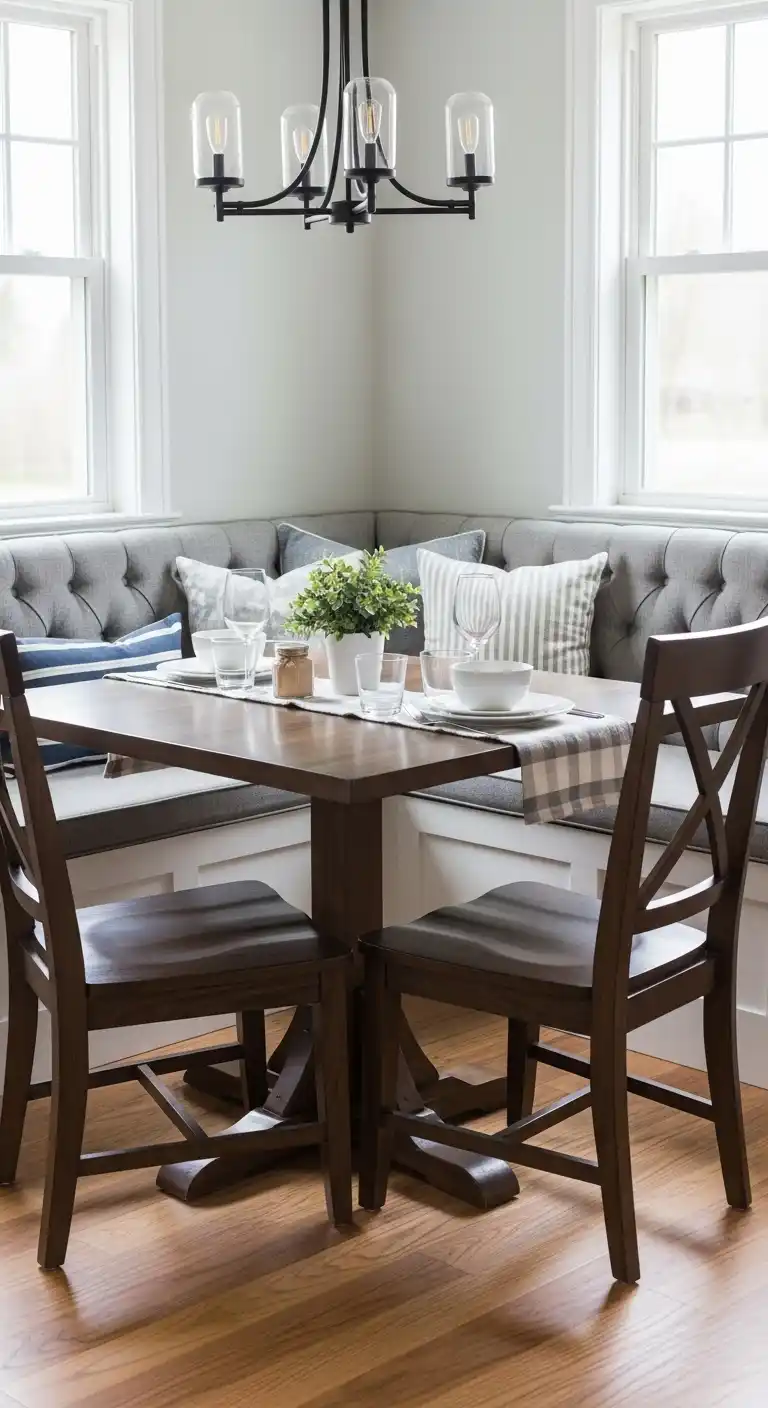
A built-in banquette or bench is a superstar in a small dining room.
It tucks perfectly into a corner, eliminating the bulky space needed for chair backs. The best part? The hidden storage underneath.
This is a perfect spot for stashing table linens, seasonal dishware, or even kids’ toys.
Upholster it in a durable, performance fabric for easy cleaning and add a mountain of comfy cushions.
It creates an inviting, café-like atmosphere that maximizes every inch.
2. Choose a Round Pedestal Table
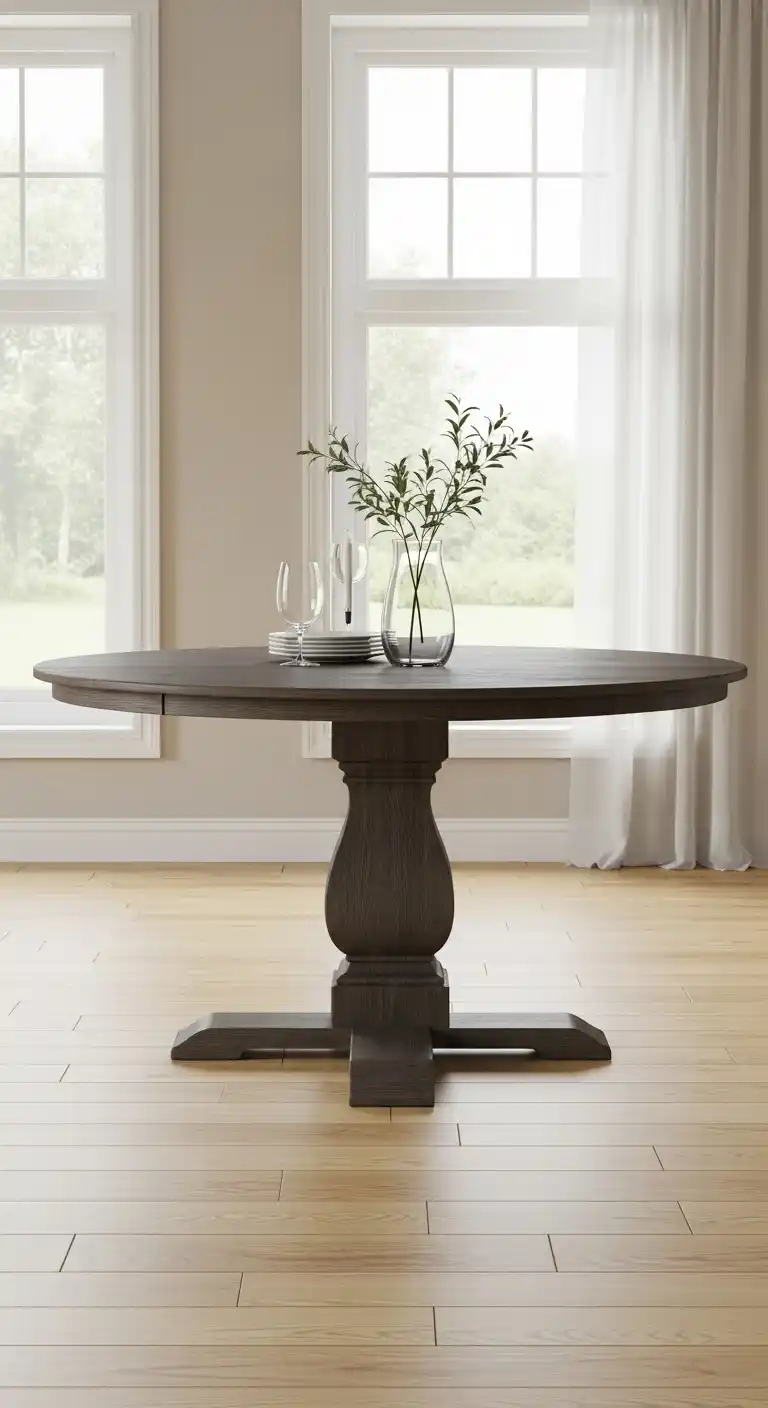
Square and rectangular tables with sharp corners can dominate a room and create awkward traffic flow.
A round pedestal table is the ultimate solution.
Its curved edges are softer on the eyes and easier to navigate around.
The single, central base means more legroom for everyone, and you can easily squeeze in an extra guest when needed.
It encourages conversation and makes the entire space feel more open and fluid.
3. Opt for Transparent Furniture
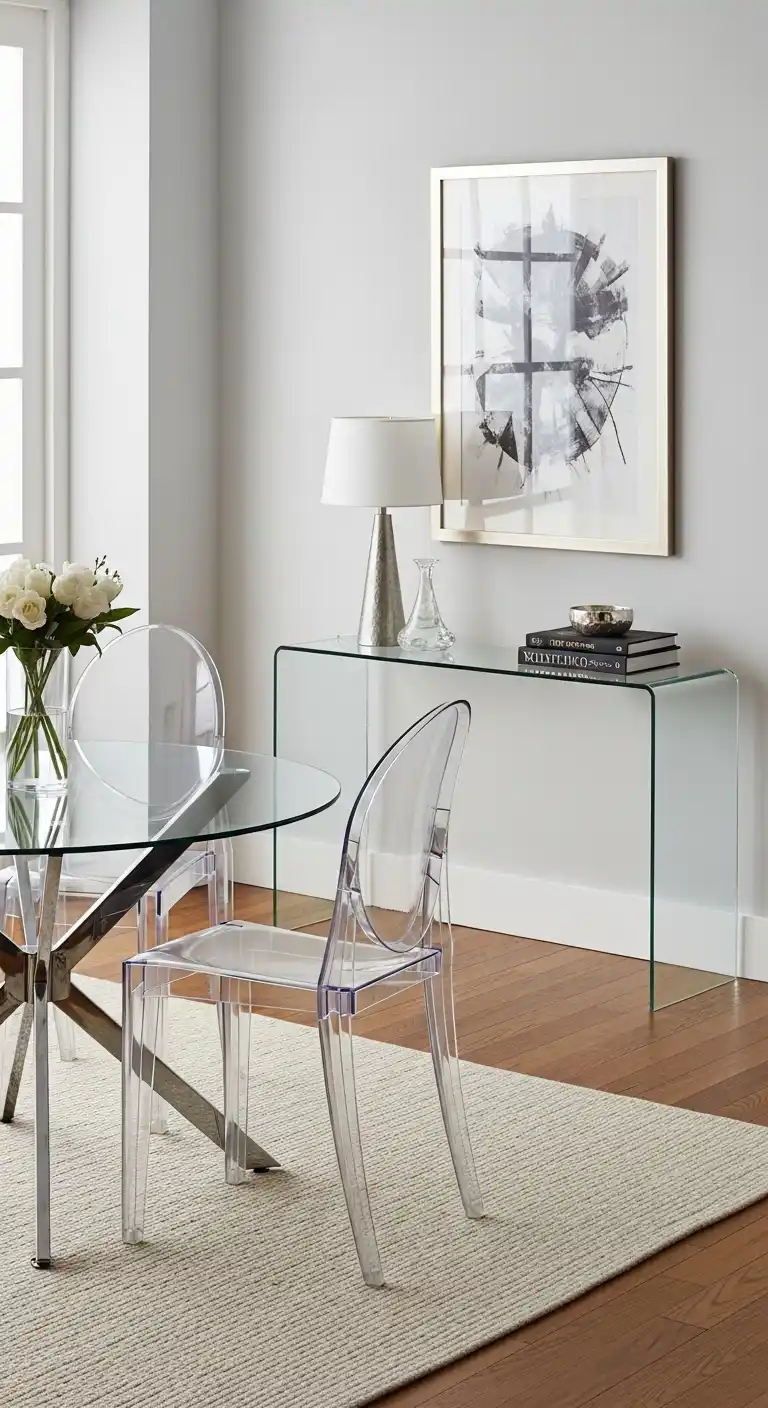
Ghost chairs, glass tabletops, and acrylic console tables are visual magic tricks.
Their transparent quality allows light to pass through, making them virtually disappear and giving the illusion of more open floor space.
This reduces visual clutter, which is the enemy of a small room. A clear acrylic chair doesn’t block the sightlines, making the room feel airier.
It’s a modern touch that prioritizes openness without sacrificing style.
4. Go Vertical with Shelving
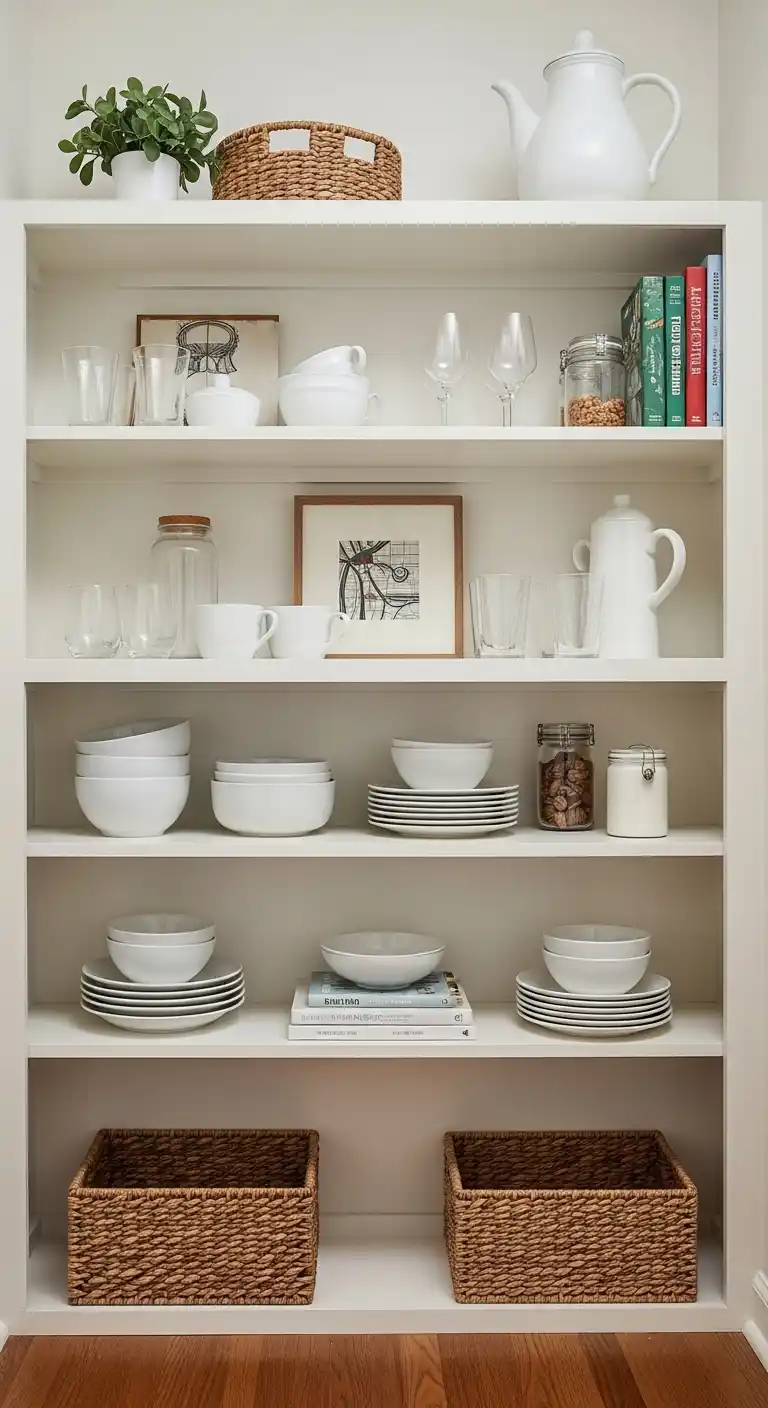
When floor space is limited, your walls are your greatest asset.
Floor-to-ceiling open shelving provides a massive amount of storage without eating into your precious square footage.
Use it to display beautiful dishes, glassware, cookbooks, and artful objects. This keeps essentials within arm’s reach while adding personality.
To avoid a cluttered look, style shelves thoughtfully and leave some empty space.
This approach is a key element of effective small pantry storage ideas for adjacent spaces.
5. Incorporate a Multipurpose Sideboard
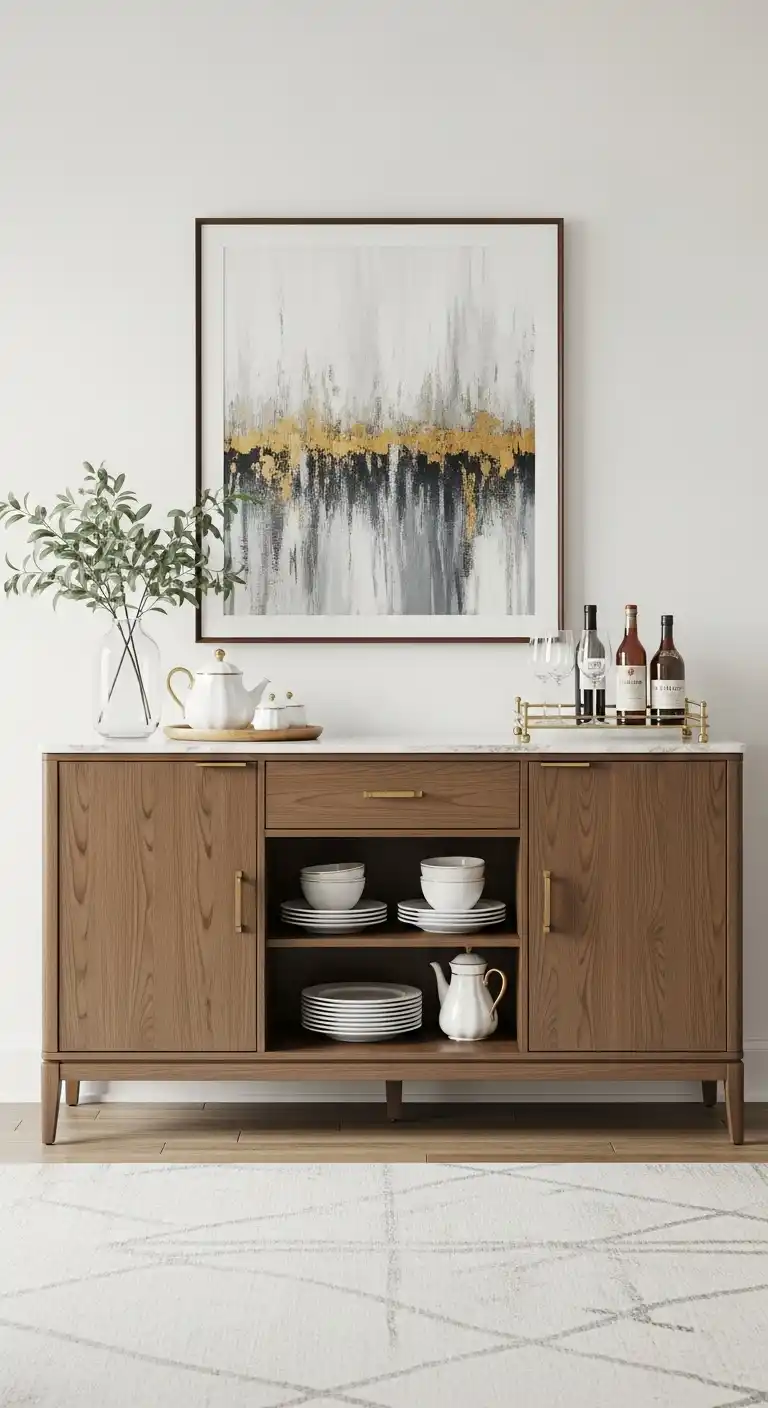
A sleek sideboard or credenza is a workhorse. It offers crucial closed storage for everything you don’t want on display, from fine china to serving platters.
Its surface acts as a perfect buffet station during dinners or a bar cart for evening entertaining.
Choose a design with clean lines and perhaps a marble or wood top to add a touch of sophistication. It’s all about furniture that earns its keep.
6. Install a Wall-Mounted Drop-Leaf Table
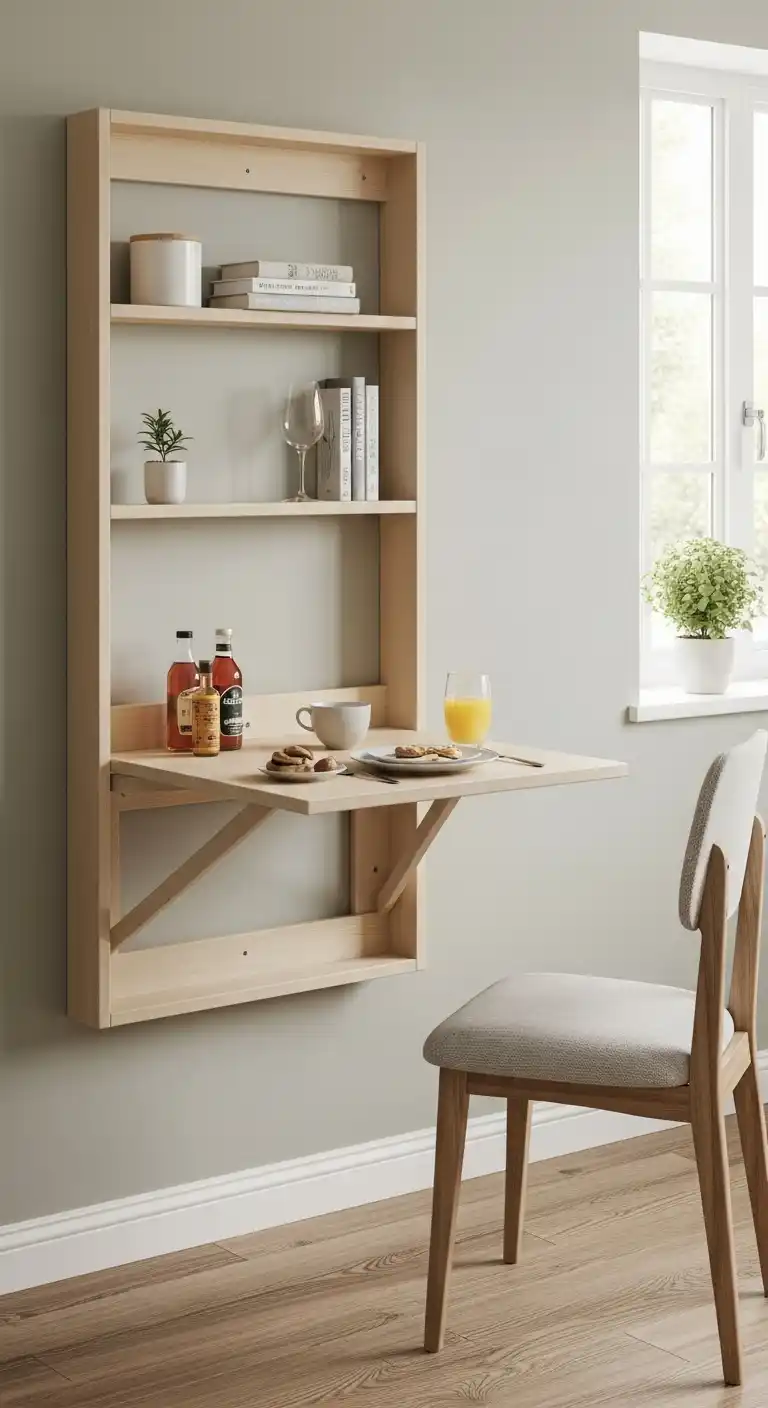
For the ultimate space-saving solution, a wall-mounted drop-leaf table can’t be beaten.
It folds flat against the wall when not in use, freeing up the entire floor area for other activities.
When it’s time to eat, simply unfold it to create a instant dining surface. This is ideal for studio apartments or breakfast nooks.
It provides functionality only when you need it, which is the golden rule of small-space living.
7. Implement Clever Small Pantry Storage Ideas
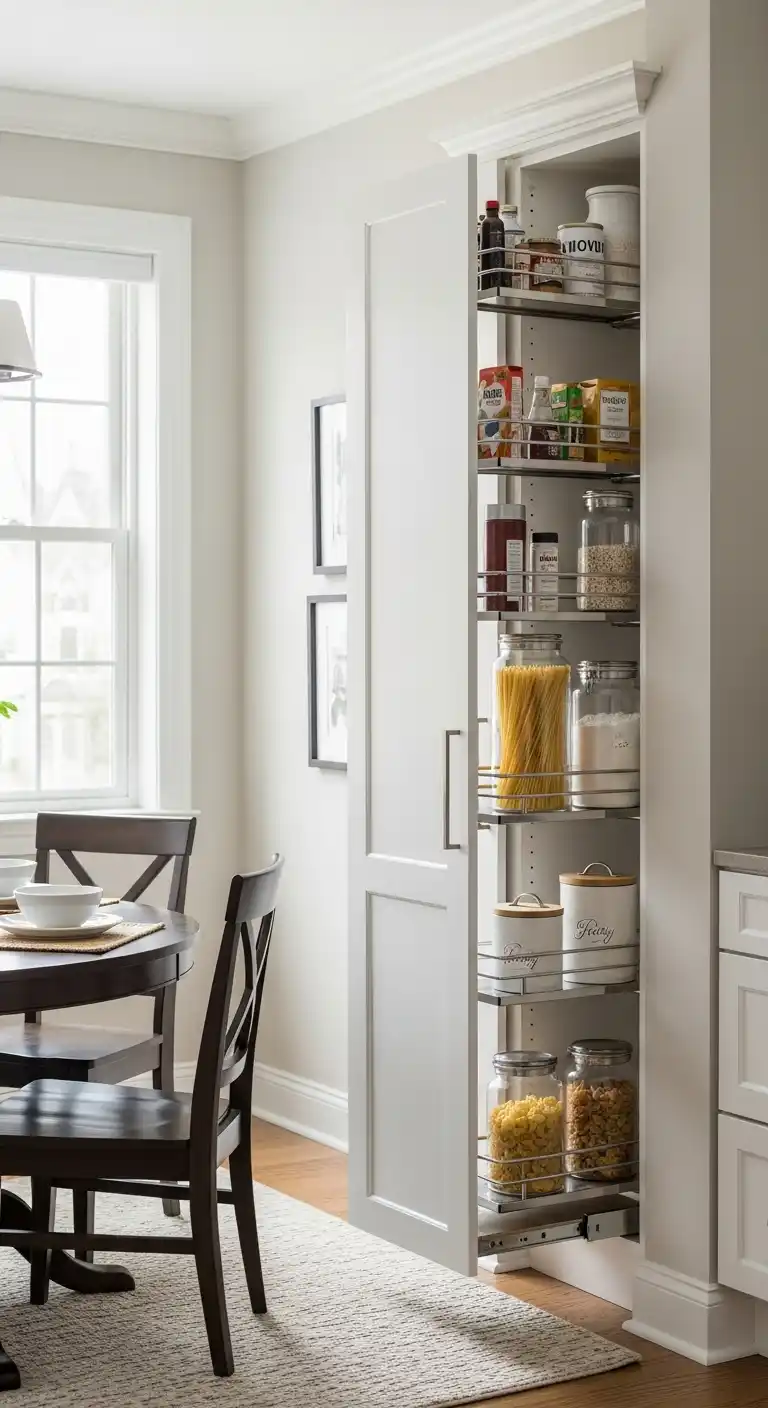
If your dining area adjoins the kitchen, integrate dedicated storage for dry goods.
A tall, narrow cabinet fitted with pull-out shelves can hold a surprising amount of food.
Use pretty canisters and clear jars for staples like pasta and flour. This not only looks organized but also turns necessities into decor.
For more inspiration, explore our guide on small pantry storage ideas that maximize every inch.
8. Use a Mirrored Wall
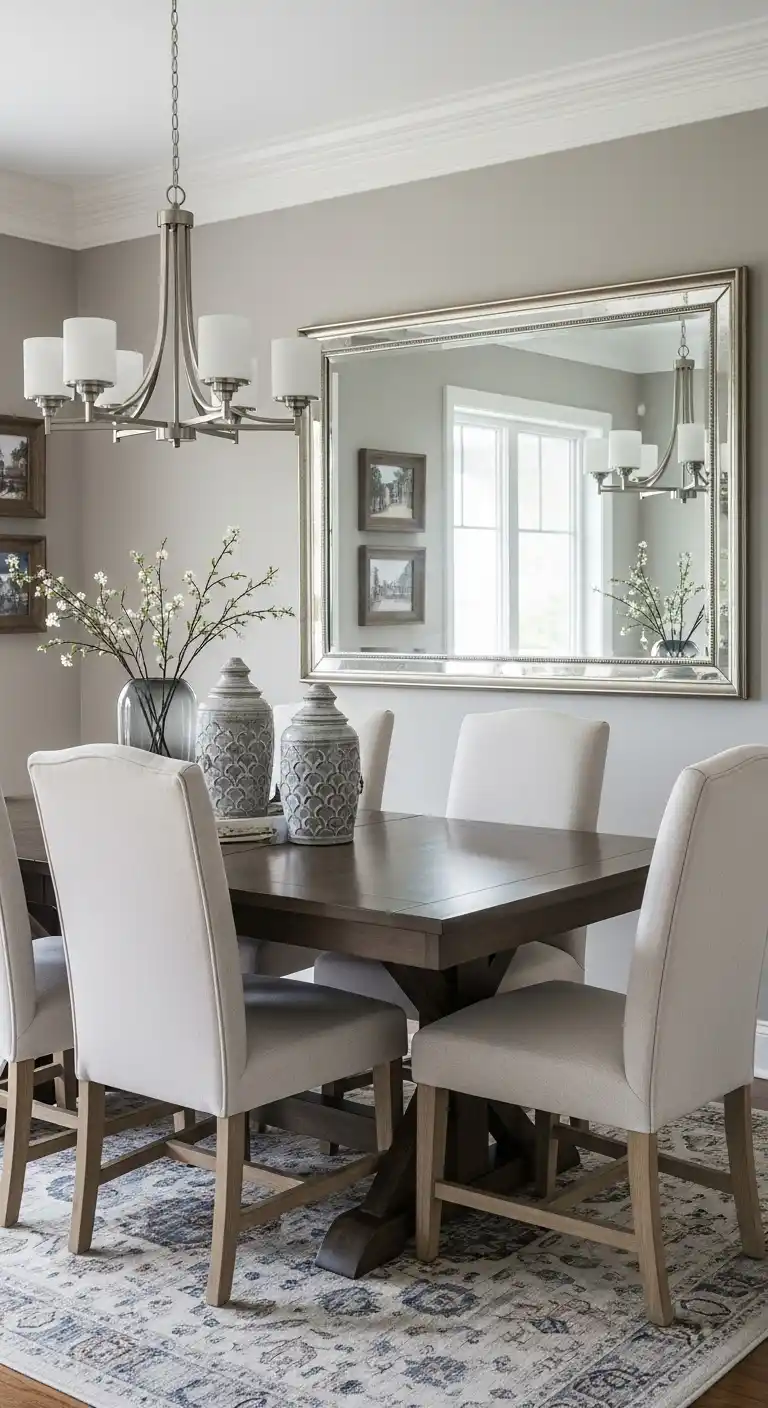
Mirrors are a designer’s secret weapon for expanding space.
A large mirror placed on one wall, or even a mirrored accent wall, will instantly double the visual depth of your dining room.
It reflects both natural and artificial light, making the room brighter and more inviting.
Choose a mirror with an interesting frame to make it a focal point. It’s a simple trick with a dramatic impact.
9. Select Light, Monochromatic Colors
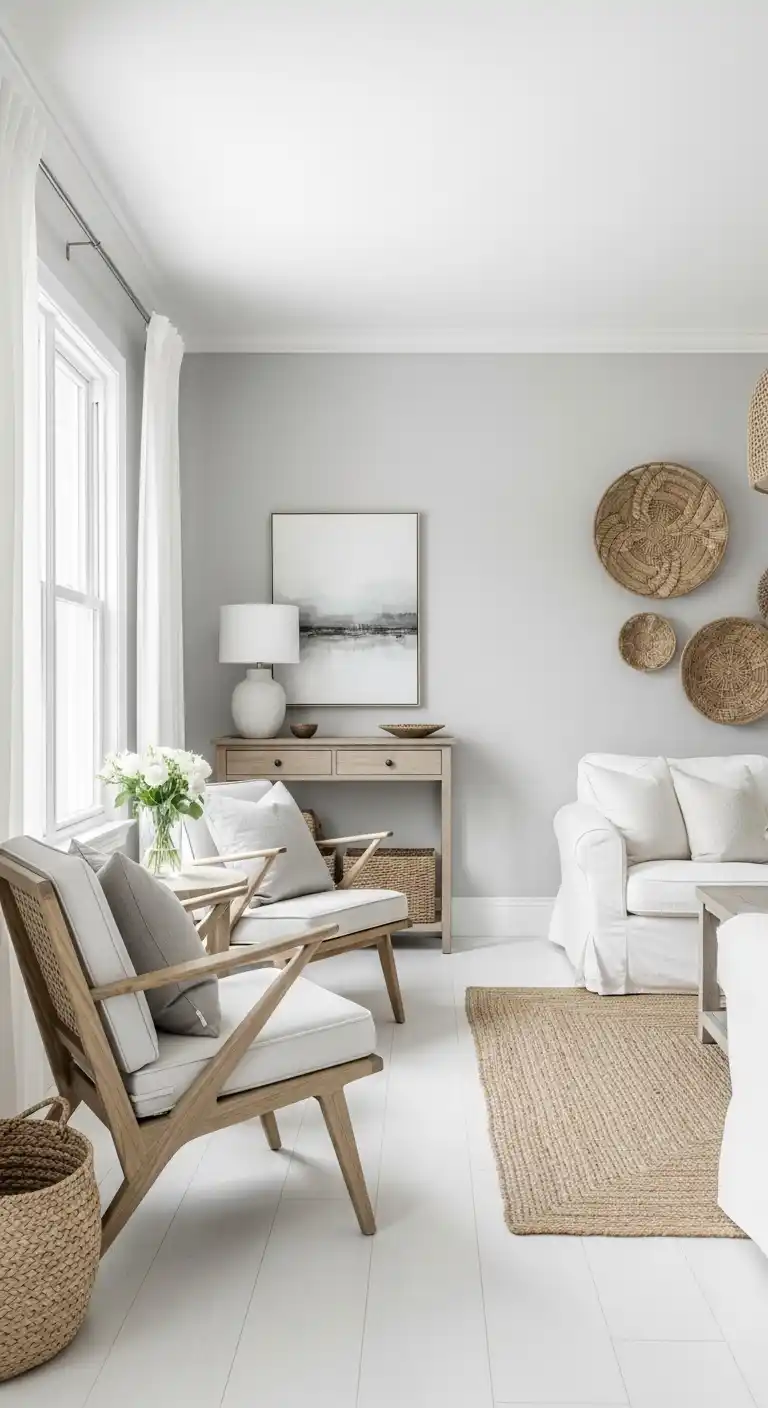
A light color palette is a classic technique for making a room feel larger and brighter.
Whites, creams, light grays, and soft pastels on walls, furniture, and flooring reflect light and create an airy, open feel.
You can then introduce texture and depth with fabrics, artwork, and decor items to keep the space from feeling sterile.
Think linen chair cushions, a jute rug, or a woven wall hanging.
10. Ditch the Chairs for Stools
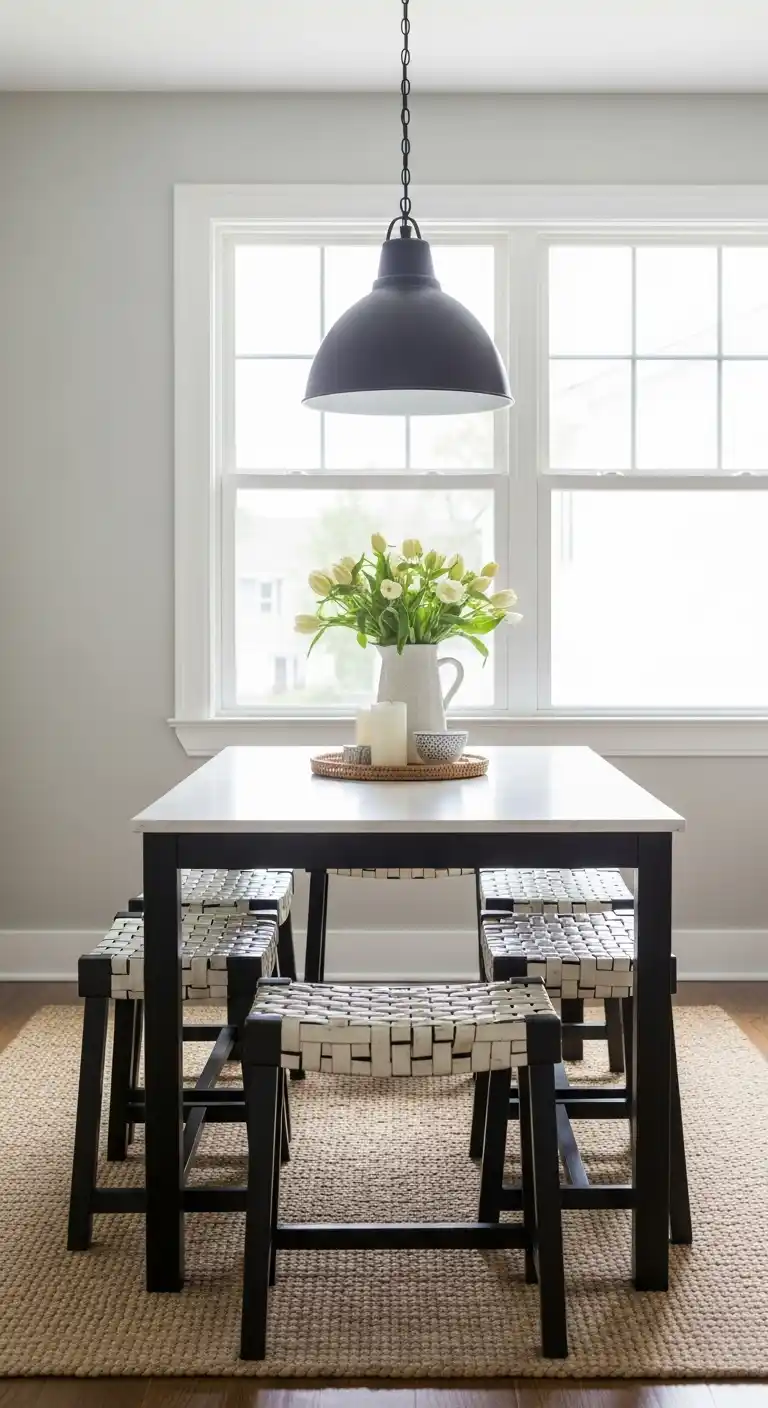
Backless stools or low benches can be tucked completely under the table when not in use, clearing the pathway and making the room feel instantly larger.
They are also incredibly versatile and can be easily moved around for other purposes.
Choose stools with a bit of personality—perhaps in a bold color or interesting material—to add a fun design element to your small dining room.
11. Add a Statement Light Fixture
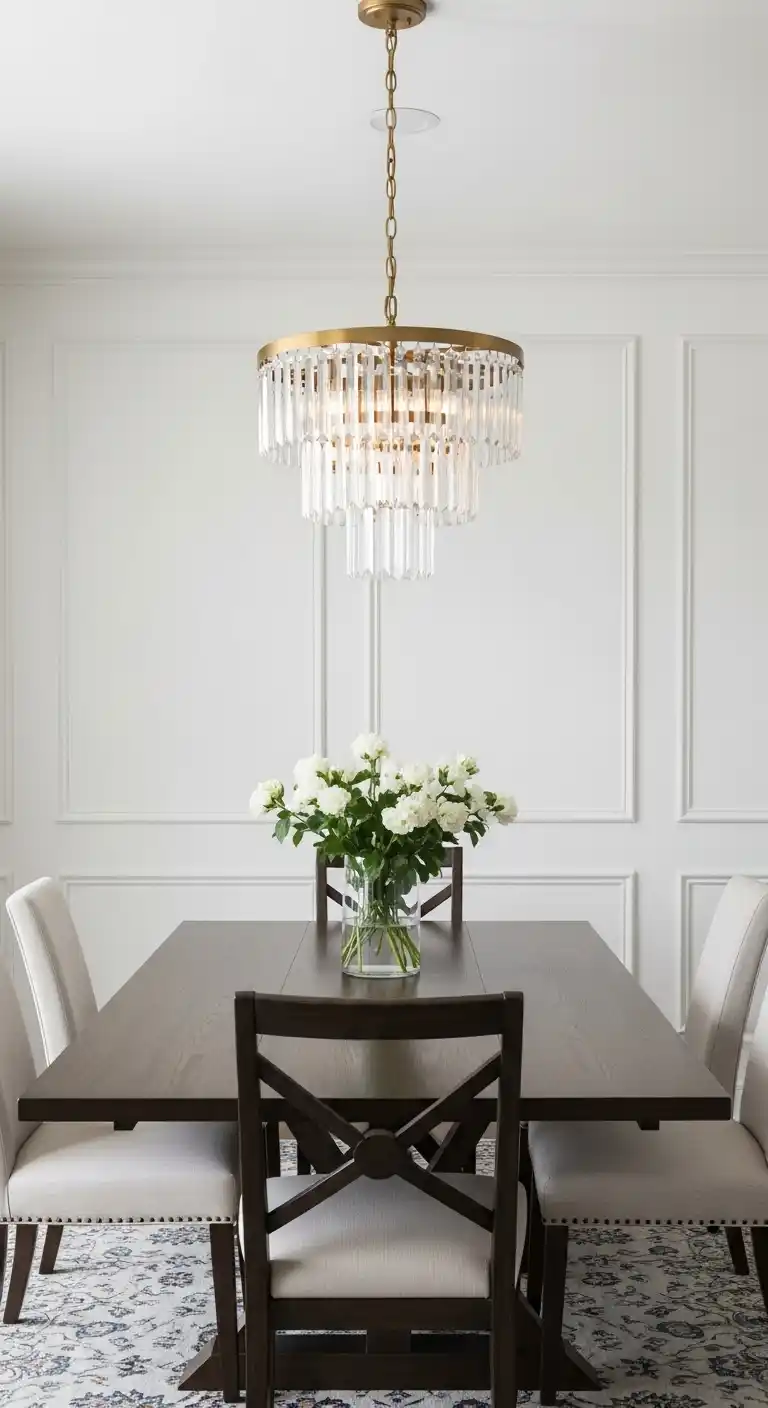
Don’t be afraid to go big with your lighting.
A stunning pendant light or a small chandelier draws the eye upward, creating a vertical focal point that gives the room height and grandeur.
It adds a dose of drama and personality that defines the space.
Just ensure it’s hung at the right height—typically 30 to 36 inches above the tabletop—to keep the proportion correct and avoid overwhelming the area.
12. Utilize the Corner
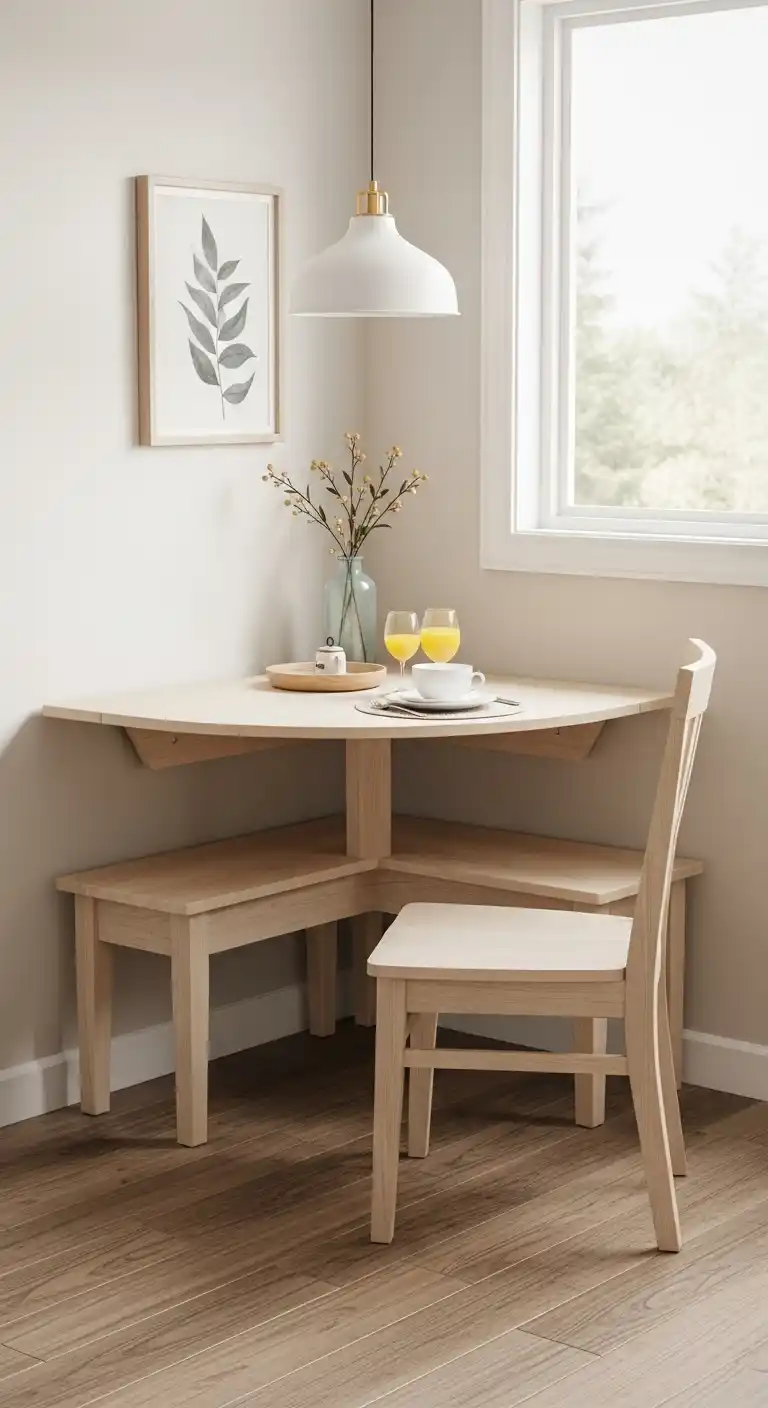
That underused corner is prime real estate.
A compact, triangular corner table or a small, round bistro table fits snugly into the space without jutting into the room.
Pair it with a single chair or a small bench for a perfect spot for morning coffee or a quiet meal for two.
It’s a simple way to carve out a dedicated dining zone without sacrificing the room’s central floor space.
13. Try a Foldable Table and Chairs
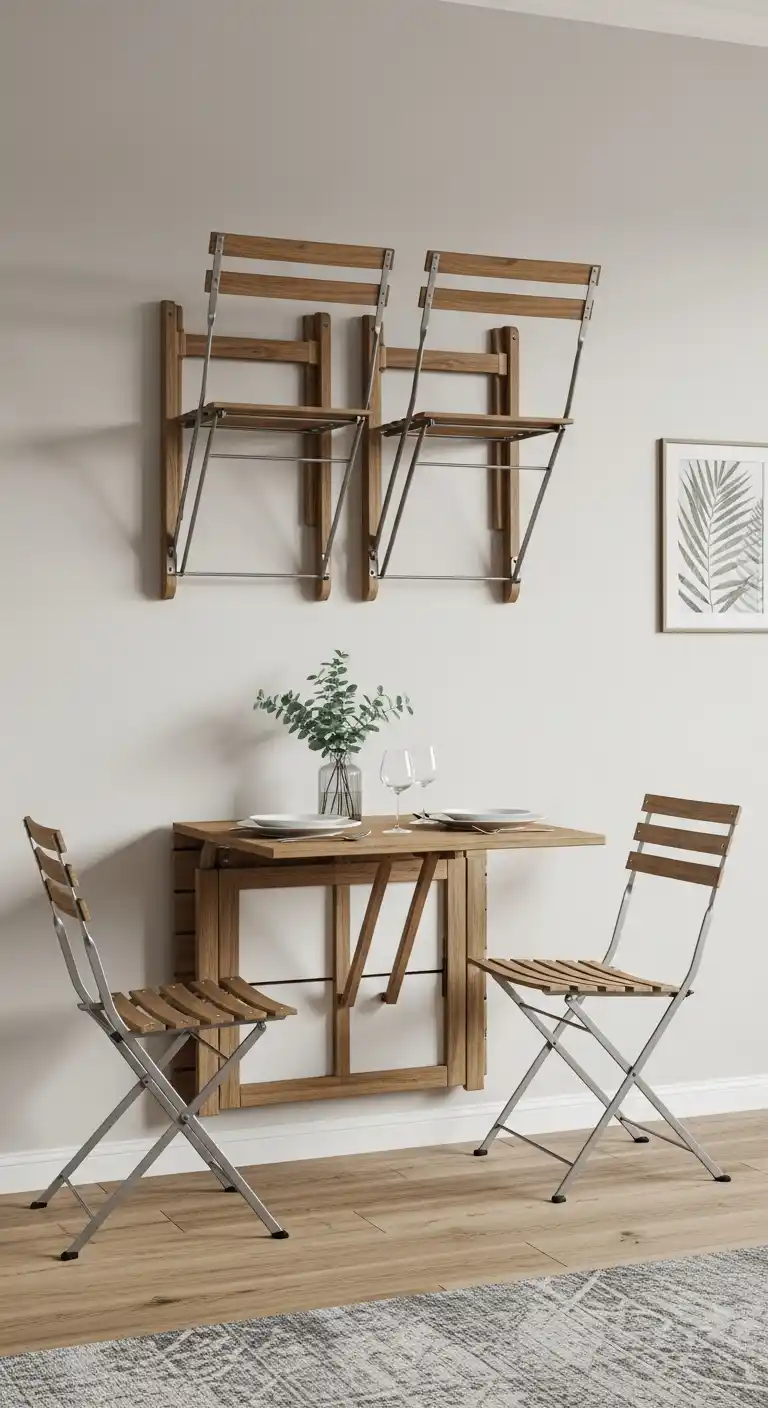
For truly flexible living, a full set of foldable furniture is a game-changer.
A folding table and chairs can be stored in a closet or mounted on a wall, making your dining area completely transformable.
This is perfect for those who only host occasional large dinners or need the room to serve multiple purposes, like a home office or playroom during the day.
Functionality meets flexibility.
14. Create a Gallery Wall
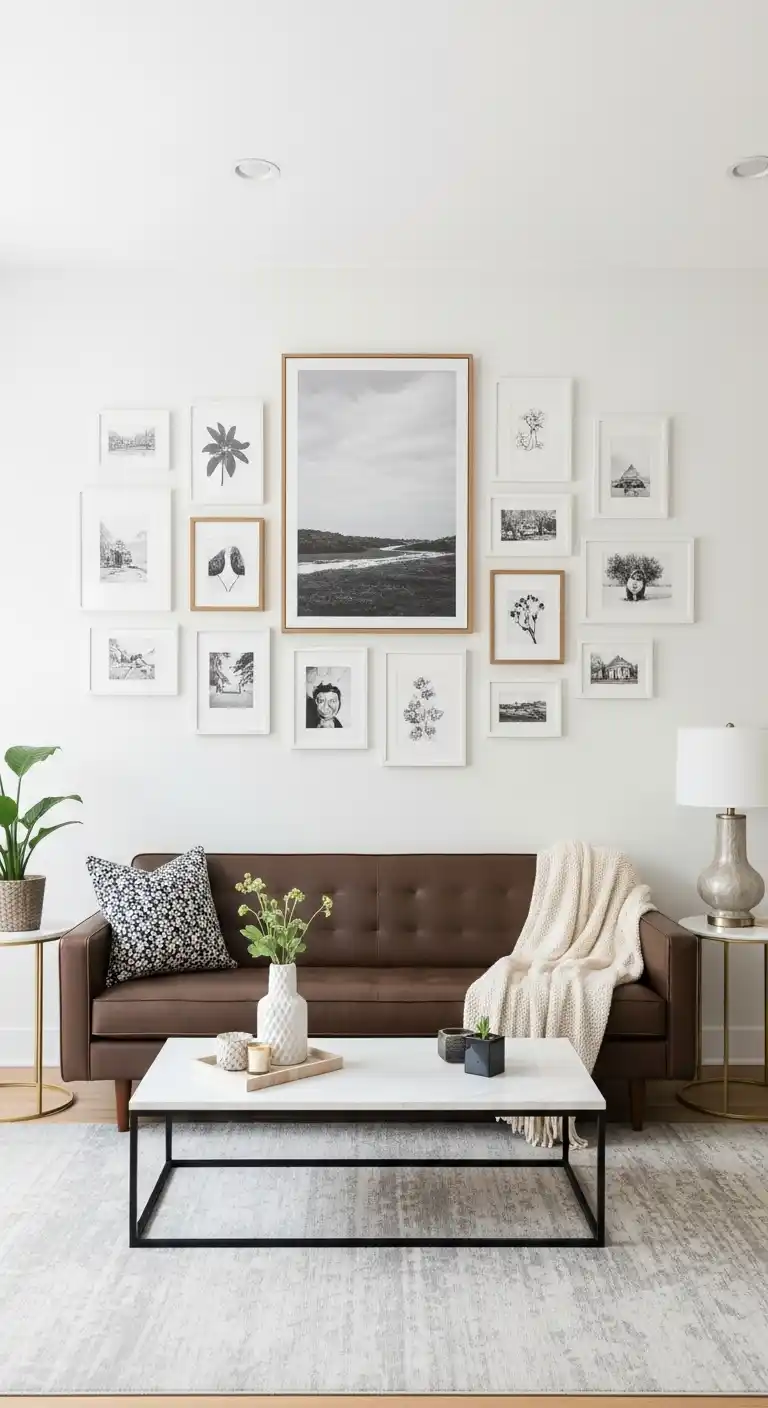
A collection of small to medium-sized art pieces can have a greater impact than one large piece.
A curated gallery wall adds immense personality and draws the eye across the entire display, making the room feel wider.
Stick to a cohesive color scheme or frame style to keep it from feeling chaotic.
This is your chance to tell a story and inject your unique style into the heart of your home.
15. Choose Furniture with Legs
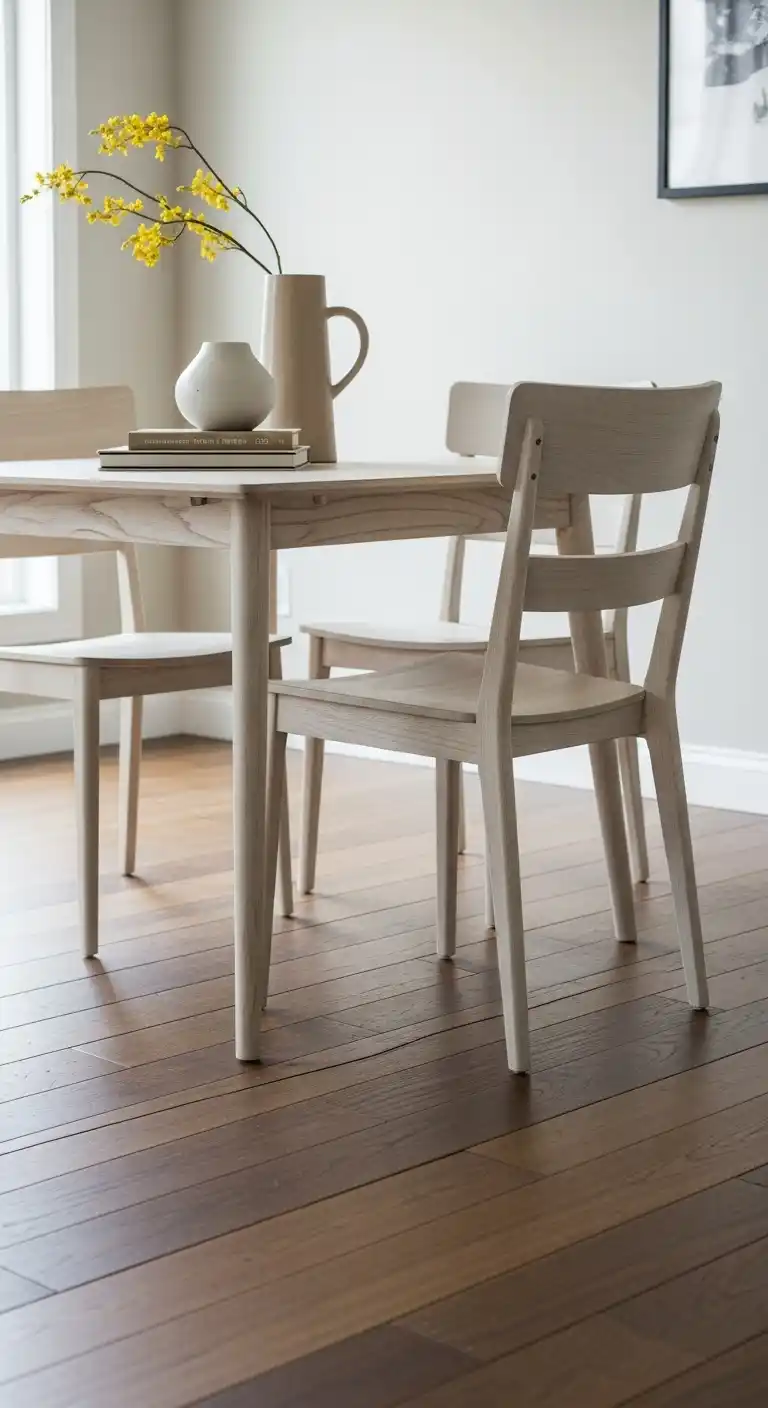
Furniture that is raised on slender legs creates a sense of lightness and airiness.
You can see the floor continuing underneath a sofa table or dining chairs, which makes the room feel more spacious.
This exposed floor space tricks the eye into perceiving more square footage.
Avoid heavy, solid pieces that sit directly on the floor, as they can make a room feel grounded and cramped.
16. Add a Large Area Rug
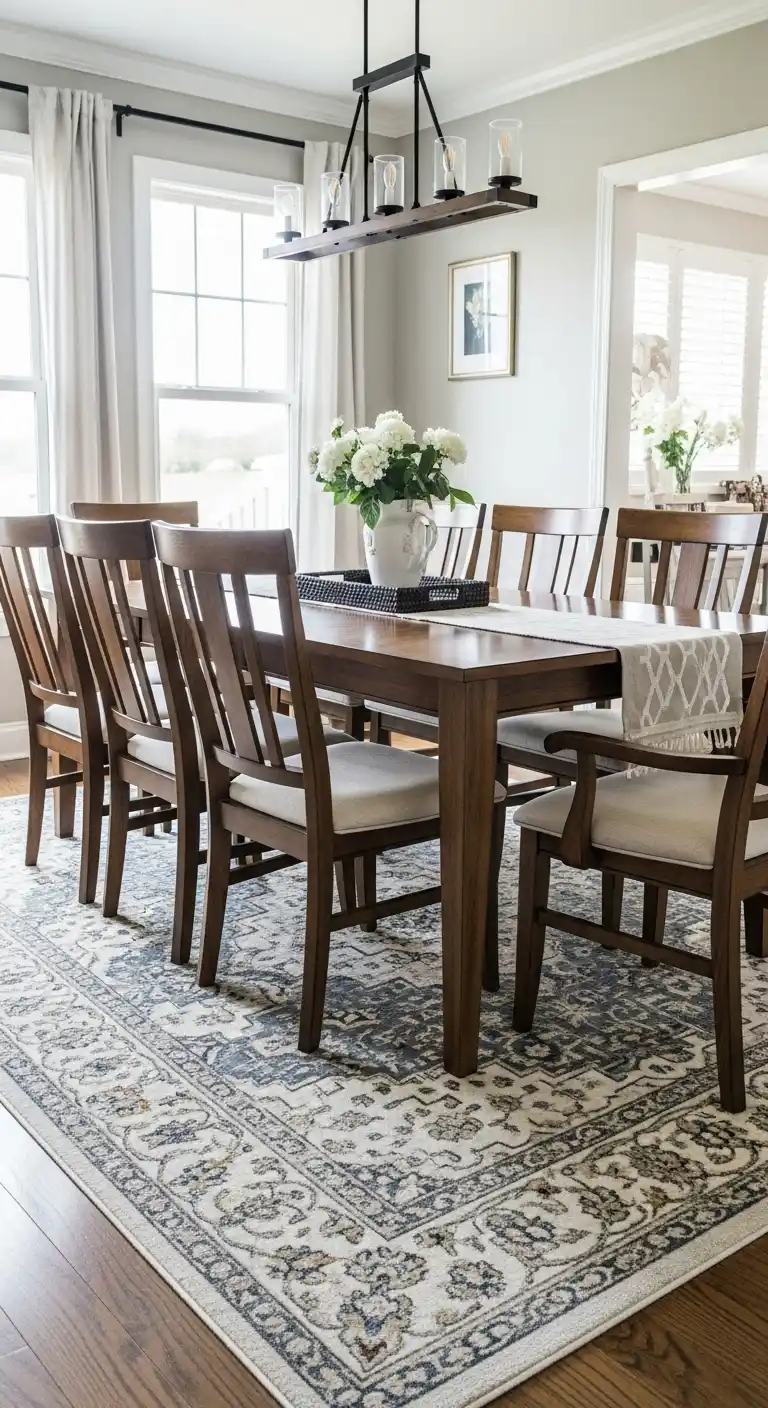
It may seem counterintuitive, but a large area rug that fits under your table and chairs can actually define and enlarge the space.
It anchors the dining area and creates a distinct zone.
Make sure it’s big enough that all chair legs can still sit on the rug when pulled out.
This prevents the area from feeling fragmented and creates a cohesive, pulled-together look.
17. Install Floating Shelves
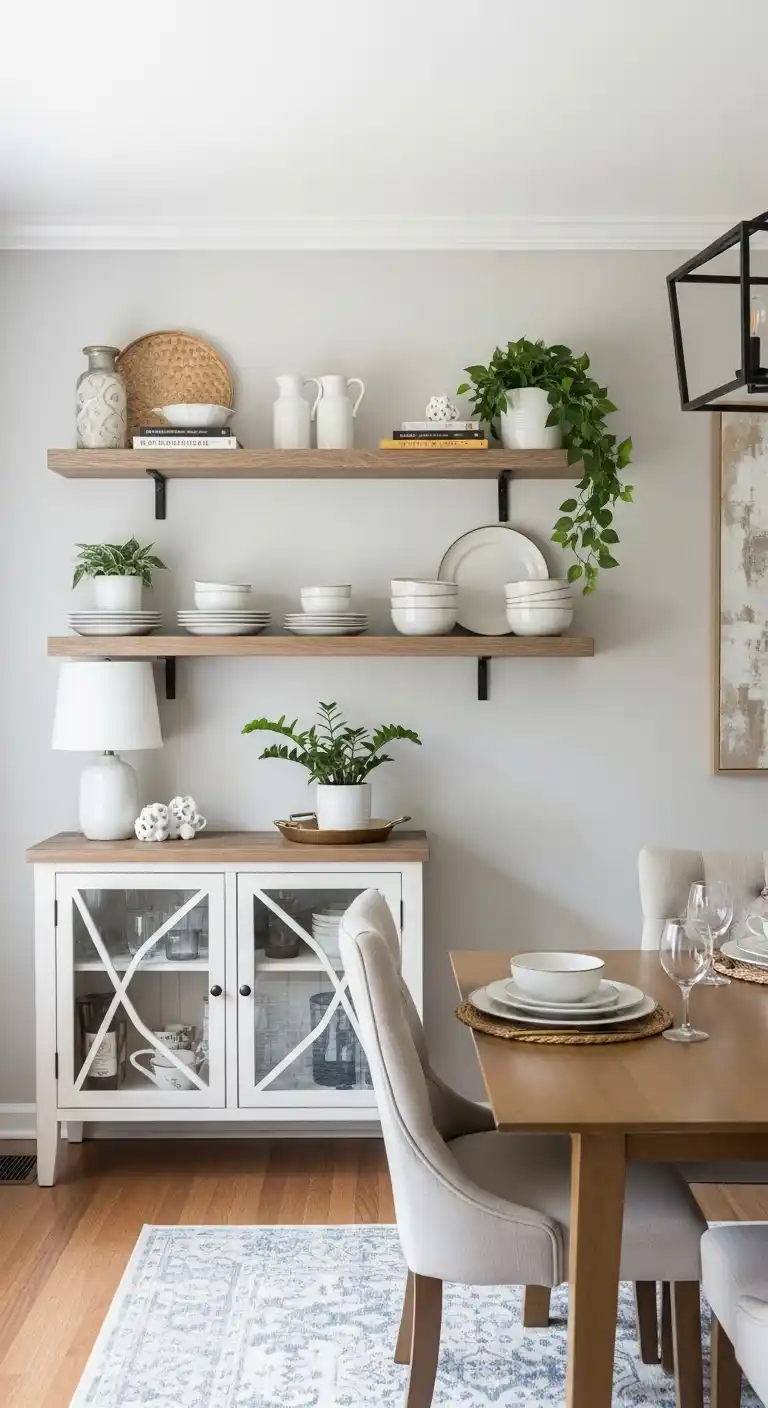
For a lighter alternative to full shelving units, install a few floating shelves on the most vacant wall.
They provide display space for decor, plants, or frequently used dishes without the visual weight of a bulky bookcase.
Arrange items in groups of three and vary heights for visual interest.
This is a simple DIY project that adds both storage and style, enhancing your dining room decor.
18. Use a Console Table as a Sideboard
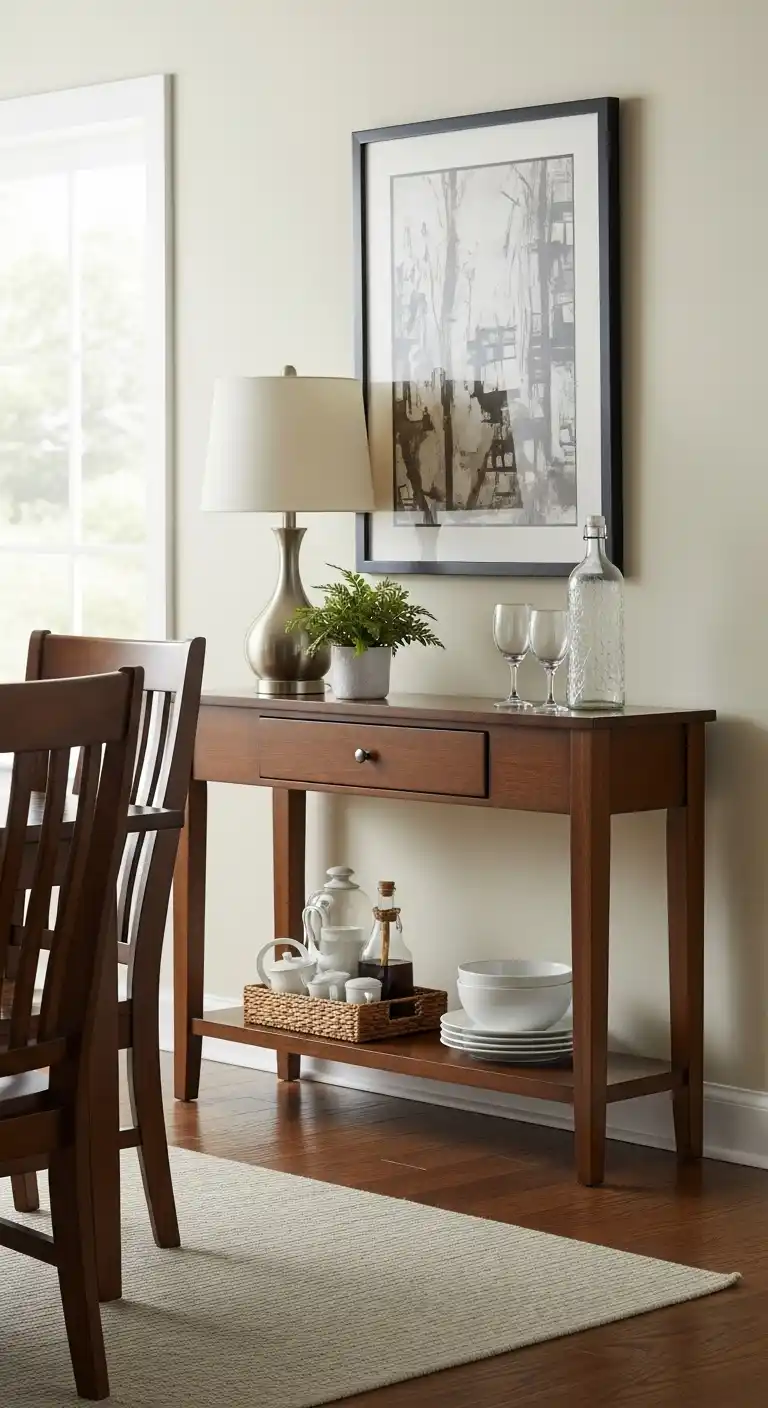
A narrow console table is a perfect fit for a small dining room.
Its slim profile takes up minimal space while still providing a surface for a lamp, decor, or serving dishes.
Many styles also include a lower shelf or drawer for added storage.
It’s a versatile piece that can later be repurposed in an entryway or behind a sofa, making it a smart investment.
19. Incorporate Reflective Surfaces
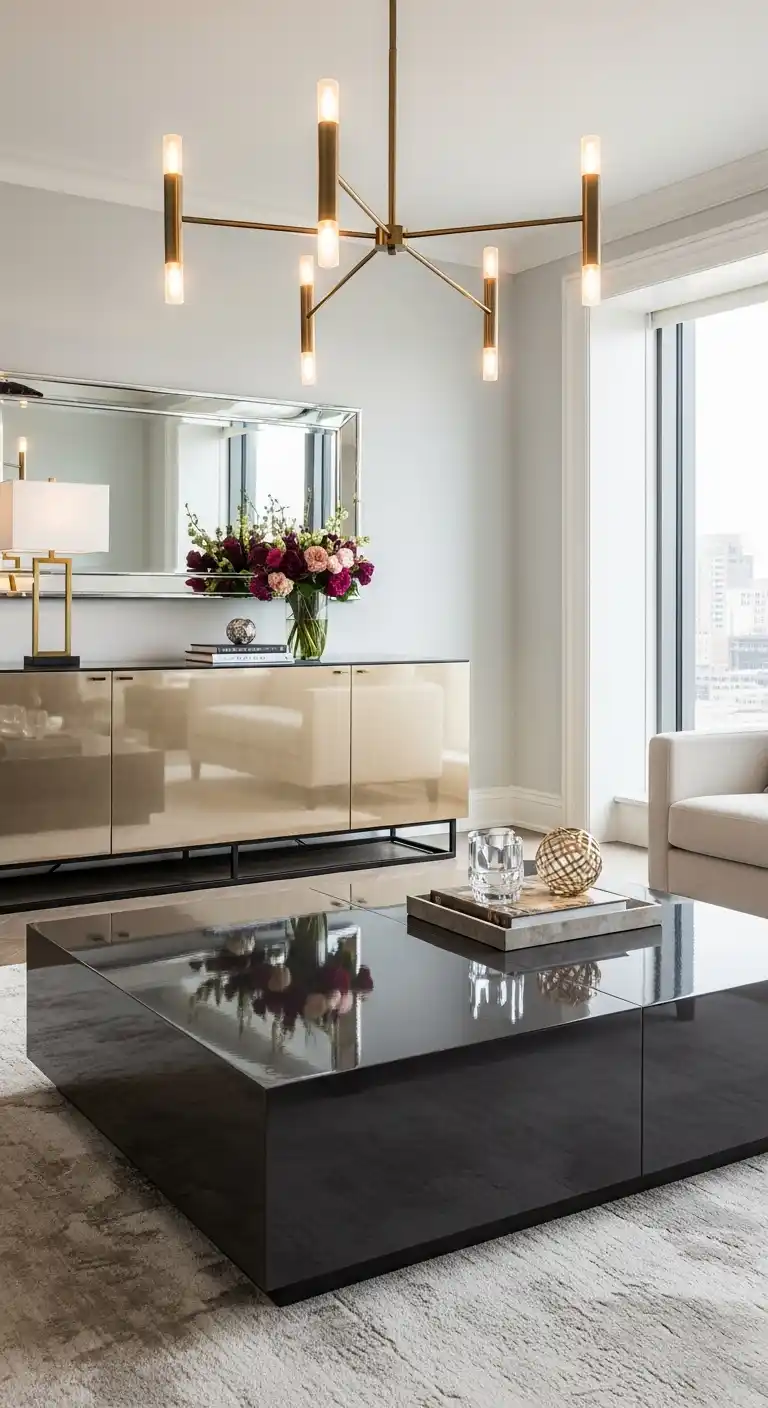
Beyond mirrors, incorporate other reflective materials like metallics, high-gloss paint, or lacquered furniture.
A glossy tabletop or a cabinet with a metallic finish will bounce light around the room.
These surfaces add a touch of glamour and sophistication while contributing to that all-important feeling of lightness and space.
A little shine goes a long way.
20. Choose Armless Chairs
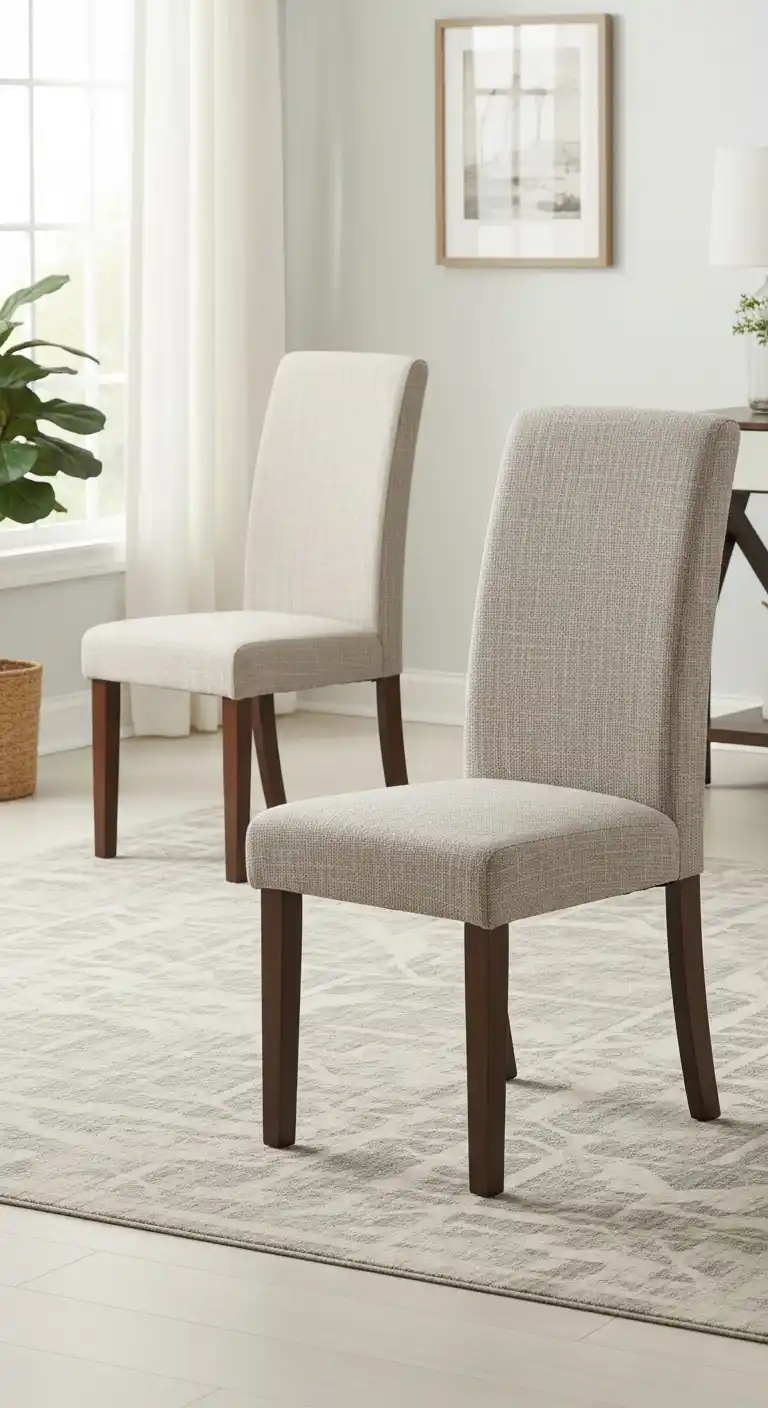
Chairs without arms have a smaller footprint and are easier to tuck in.
Their streamlined silhouette looks less bulky and allows for a more flexible arrangement.
You can also slide them more easily into other rooms when you need extra seating elsewhere.
Look for designs with comfortable backs and seats to ensure your guests are still comfortable during long, leisurely meals.
21. Build in a Window Seat
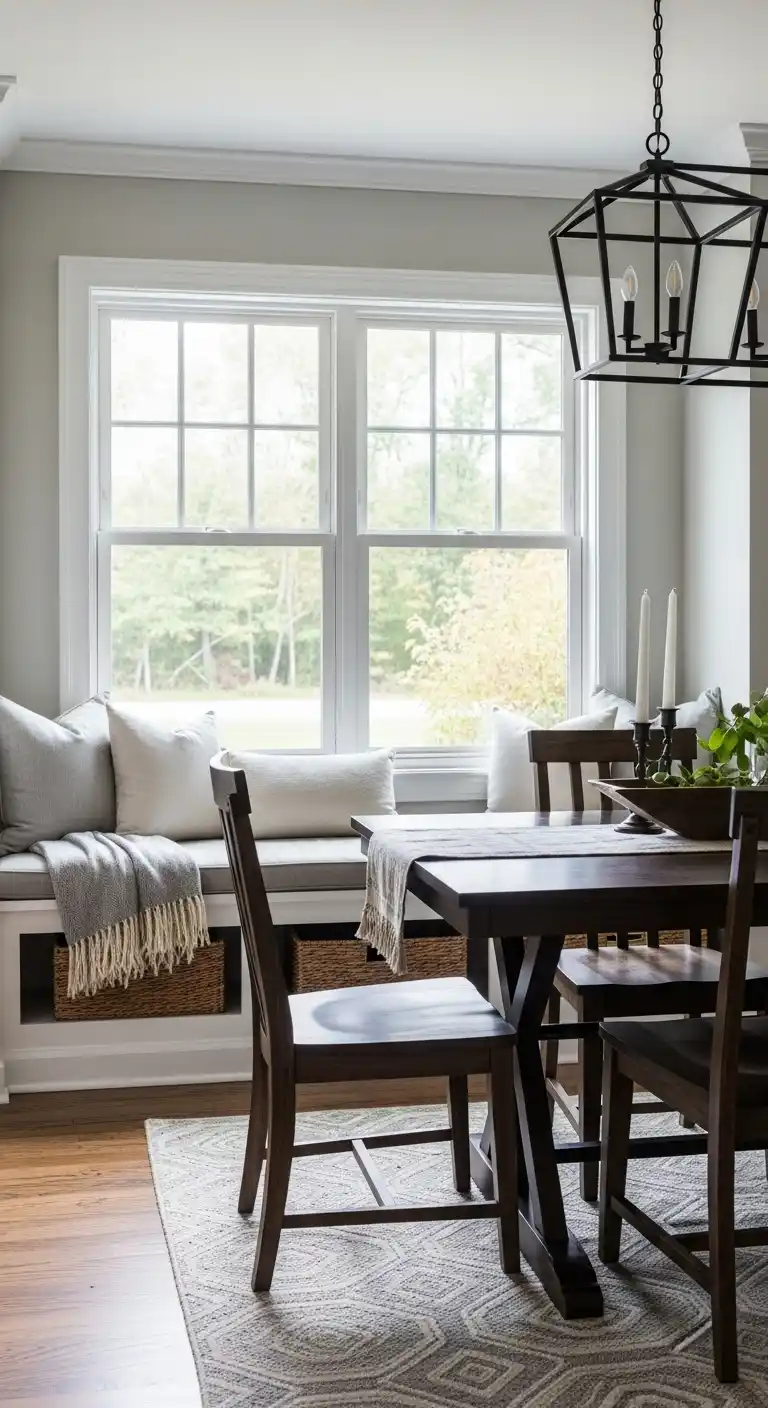
If you’re lucky enough to have a window in your dining area, capitalize on it.
A built-in window seat with storage underneath creates a beautiful, light-filled banquette.
It provides a comfortable spot for dining while framing the view and bringing the outdoors in.
Add some plush cushions and throws to make it an inviting nook for any time of day.
22. Go for a Two-Tone Color Scheme
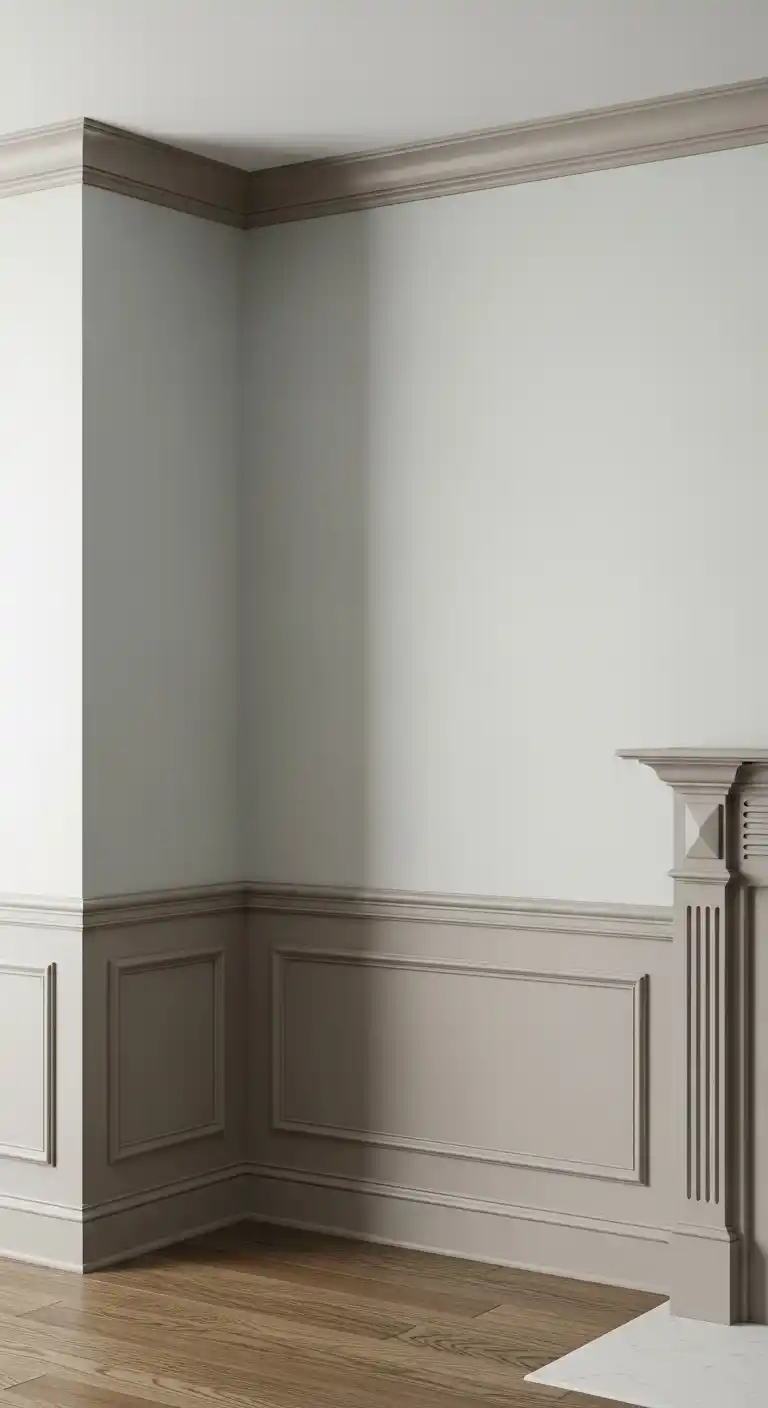
Painting your walls and woodwork (like baseboards and crown molding) in slightly different shades can create depth.
For example, a lighter color on the walls with a slightly darker, complementary shade on the trim can make the walls appear to recede.
This subtle contrast adds architectural interest and can make the room feel more thoughtfully designed and spacious.
23. Use Baskets for Stylish Storage
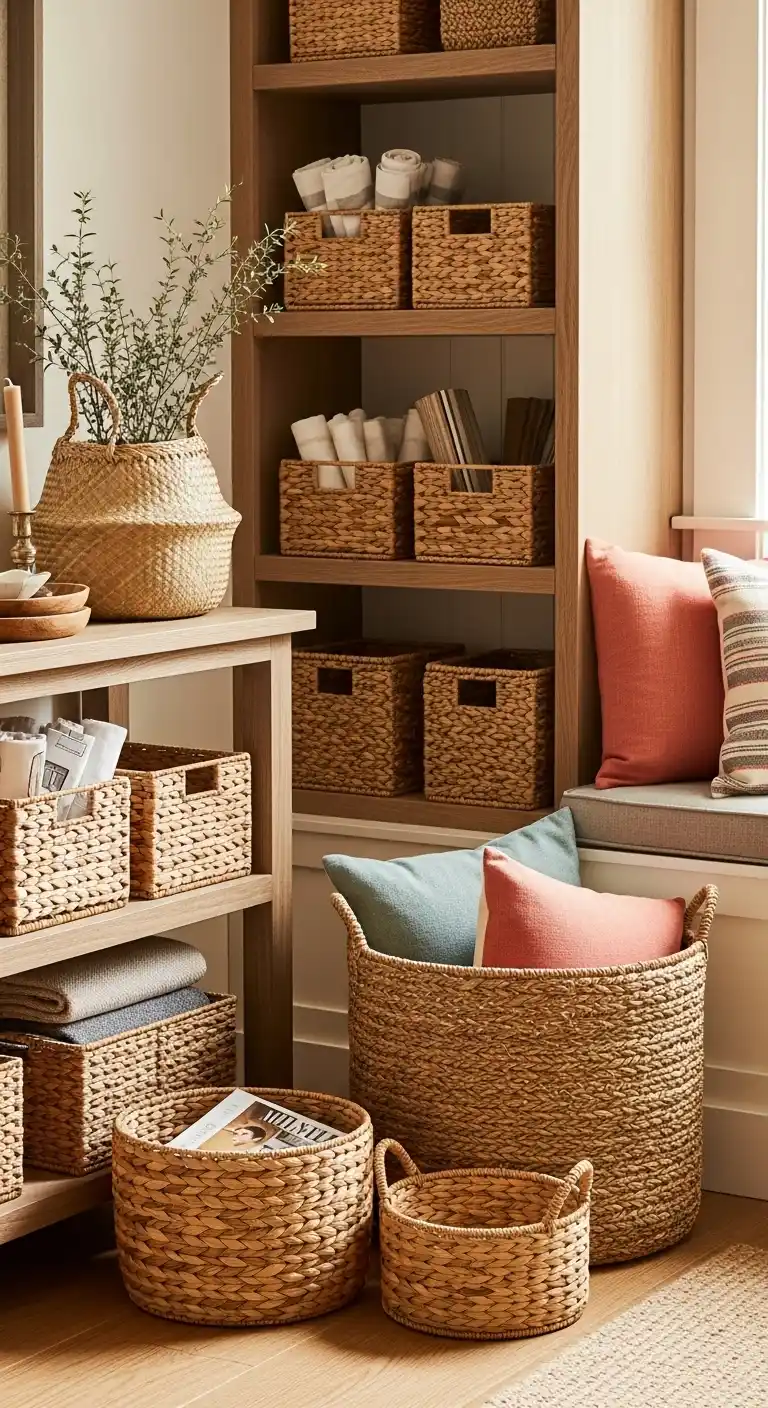
Woven baskets are both beautiful and functional. Use them to corral items on open shelving, under a console table, or next to a banquette.
They are perfect for holding napkins, placemats, tablecloths, or even non-dining items you need to stash quickly.
They add natural texture and warmth, contributing to a cozy, collected feel.
24. Maximize Natural Light
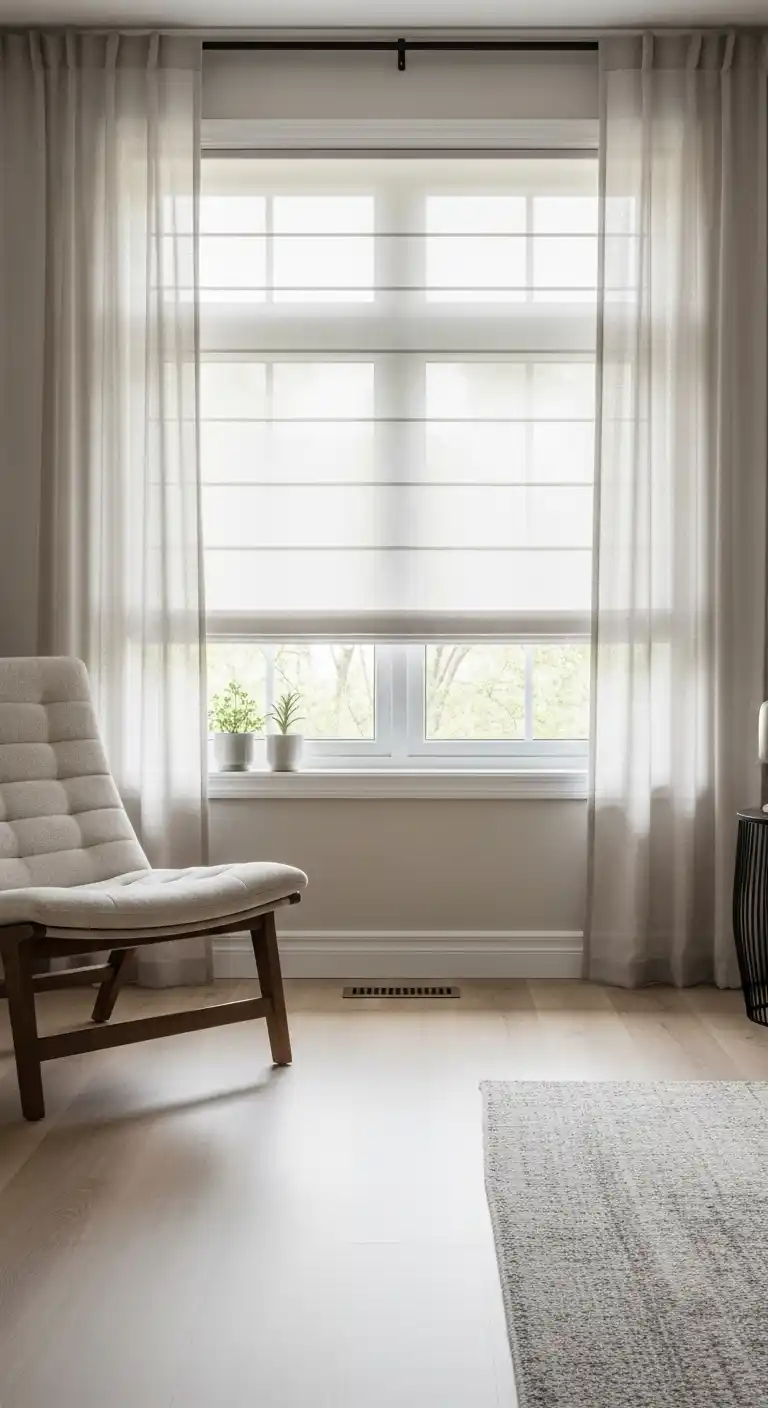
Never block your natural light sources. Avoid heavy, dark window treatments.
Instead, opt for sheer curtains, Roman shades, or minimalist blinds that can be pulled completely clear of the window.
A well-lit room always feels more open and welcoming.
If privacy isn’t a concern, even leaving windows bare will maximize the light and connection to the outside world.
25. Embrace Minimalism
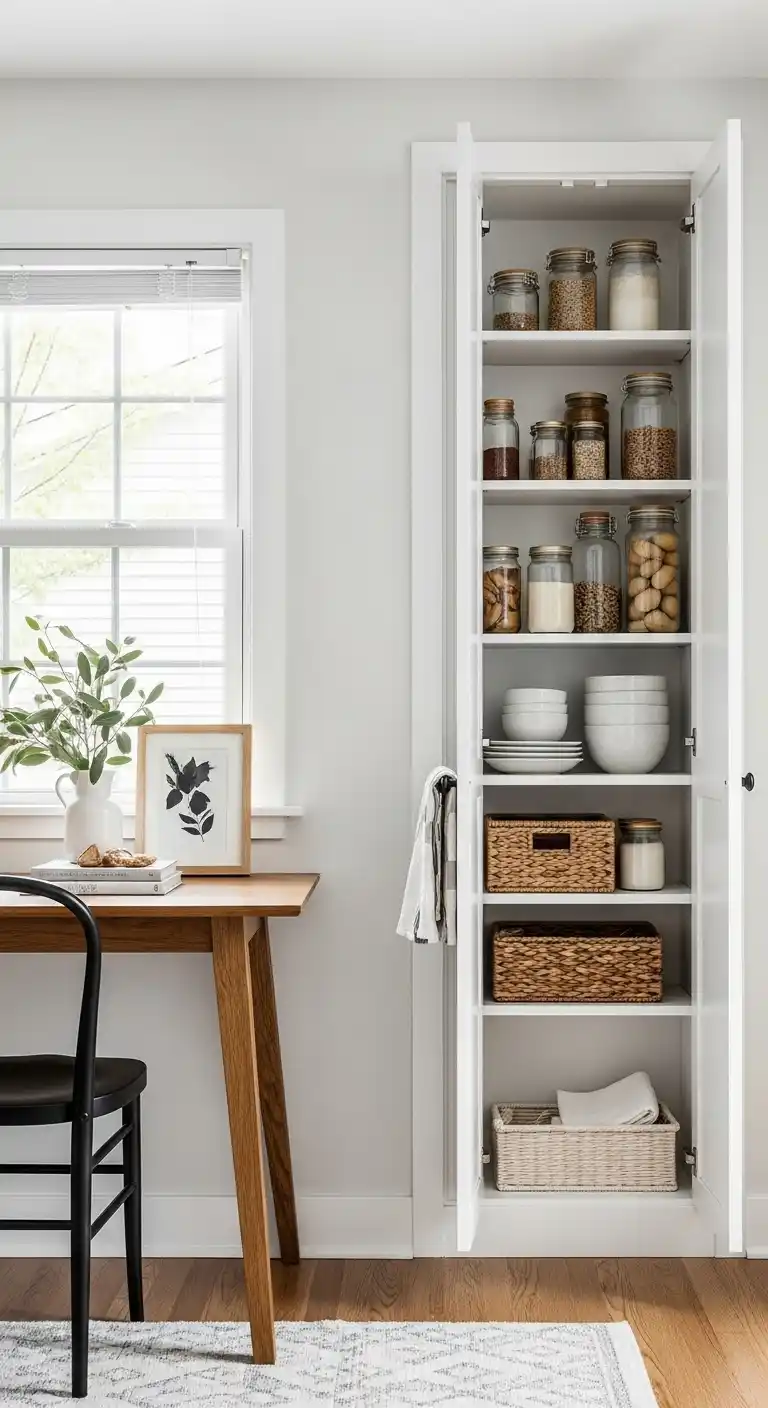
In a small space, less is always more. Edit your decor ruthlessly.
Choose a few statement pieces you love rather than filling every surface with knick-knacks.
A clutter-free table and sparse shelves will make the room feel calm, organized, and much larger.
This philosophy extends to your hidden storage, too. Implementing clever small pantry storage ideas behind closed doors helps maintain this serene, minimalist vibe.
Conclusion
Creating a dining room you love isn’t about the square footage—it’s about smart design choices that reflect your lifestyle.
By choosing multifunctional furniture, utilizing your vertical space, and playing with light and color, you can transform even the tiniest corner into a stylish and highly functional area.
Remember, the goal is to create a space that feels inviting for both everyday meals and special gatherings.
Don’t be afraid to mix and match these ideas to find the perfect formula for your home.
Ready for your next project? Discover how to extend these space-saving principles to your kitchen with our tips on maximizing a small kitchen layout.
What’s your favorite tiny dining room idea? Share your thoughts and your own clever hacks in the comments below