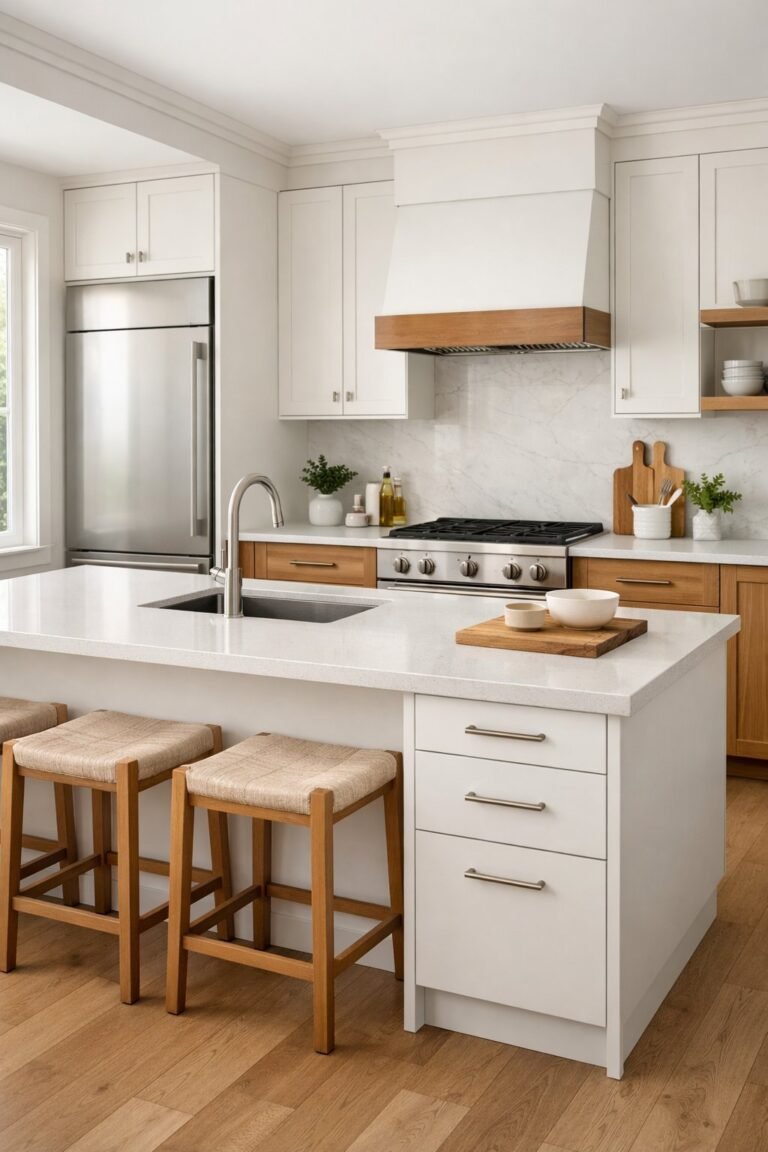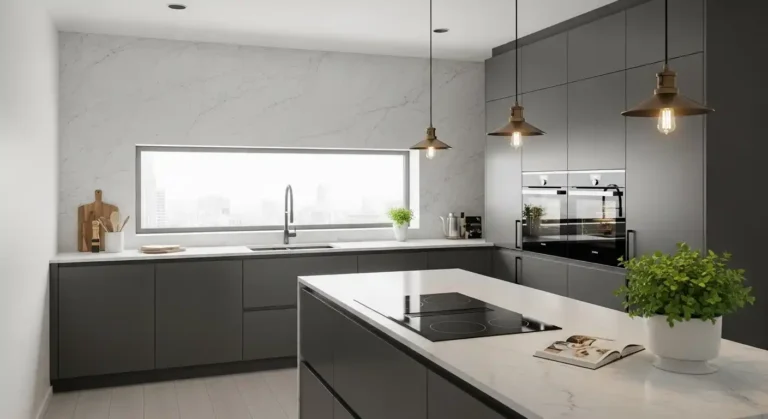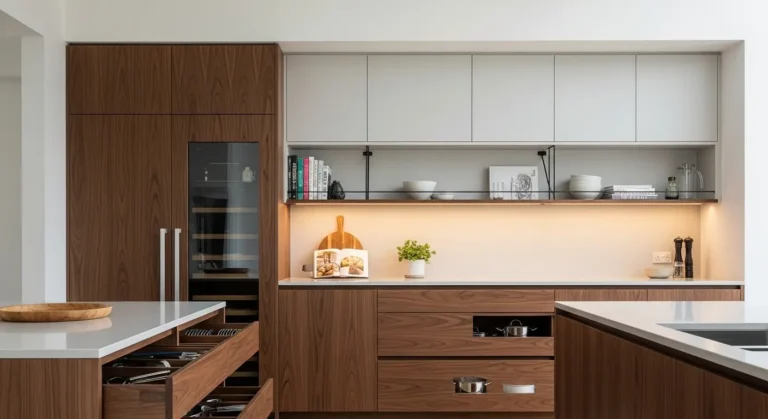

Want to take your kitchen design to the next level? Discover how the right kitchen cabinet molding can elevate your space and bring out its full potential.
When I first started renovating my kitchen, I felt overwhelmed by the number of choices I had to make. From countertops to cabinetry, everything had to come together perfectly.
But one detail I almost overlooked was the kitchen cabinet molding.
I remember staring at the bare edges of my cabinets, thinking, “Do I really need molding?”
That’s when I realized—molding is the magic touch that brings everything together.
It adds elegance, structure, and a sense of completeness to your kitchen design.
Whether you’re going for a traditional farmhouse look or something more modern and sleek, the right kitchen cabinet molding can make all the difference.
In this post, I’ll share some of my favorite kitchen cabinet molding ideas that will help transform your space into something truly special.
What is Kitchen Cabinet Molding?
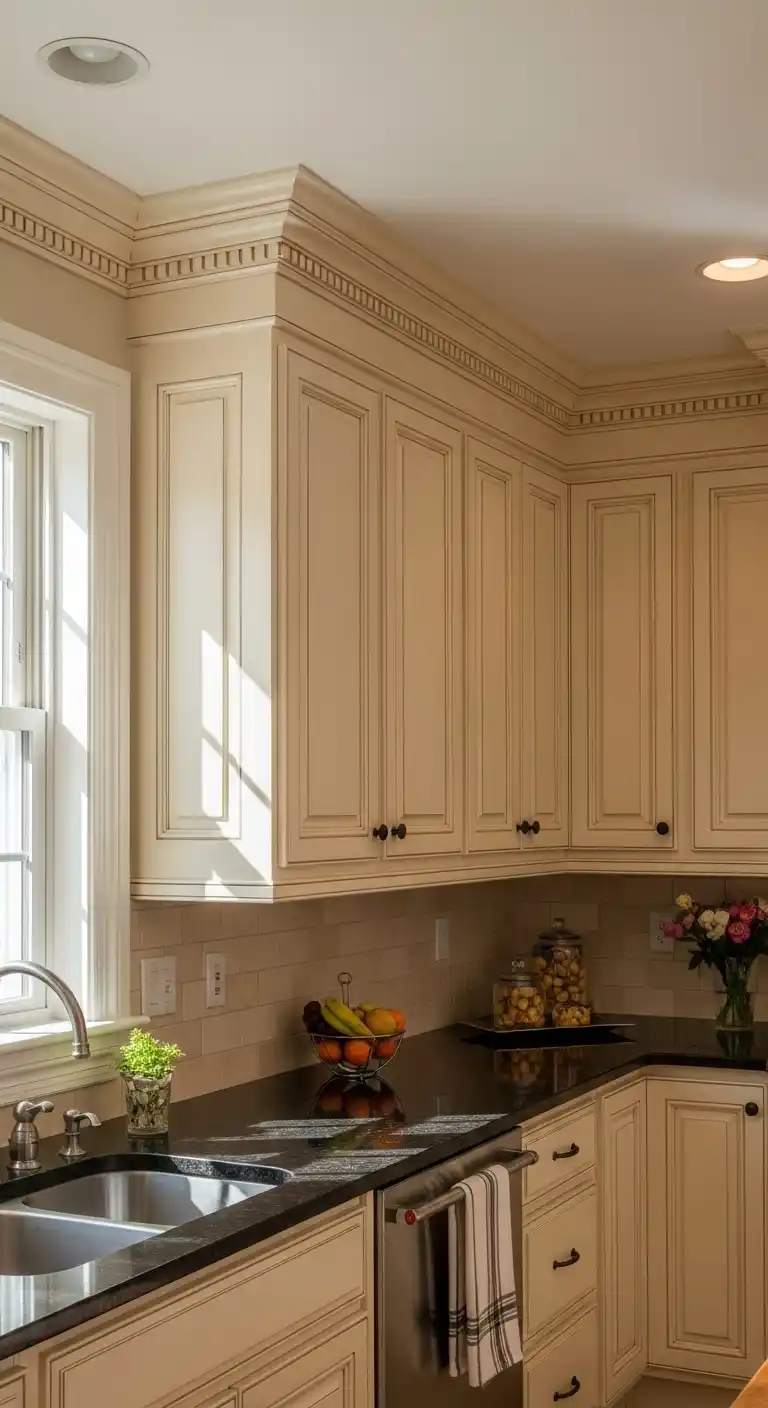
Kitchen cabinet molding refers to the decorative trim added to the edges of kitchen cabinets.
It can be applied to the top, bottom, or sides of cabinets and helps frame the cabinetry for a polished, finished look.
Molding comes in various styles, materials, and profiles, allowing homeowners to select the perfect fit for their kitchen.
Depending on the style you choose, cabinet molding can add texture, depth, and character to your kitchen space.
Why is Kitchen Cabinet Molding Important?
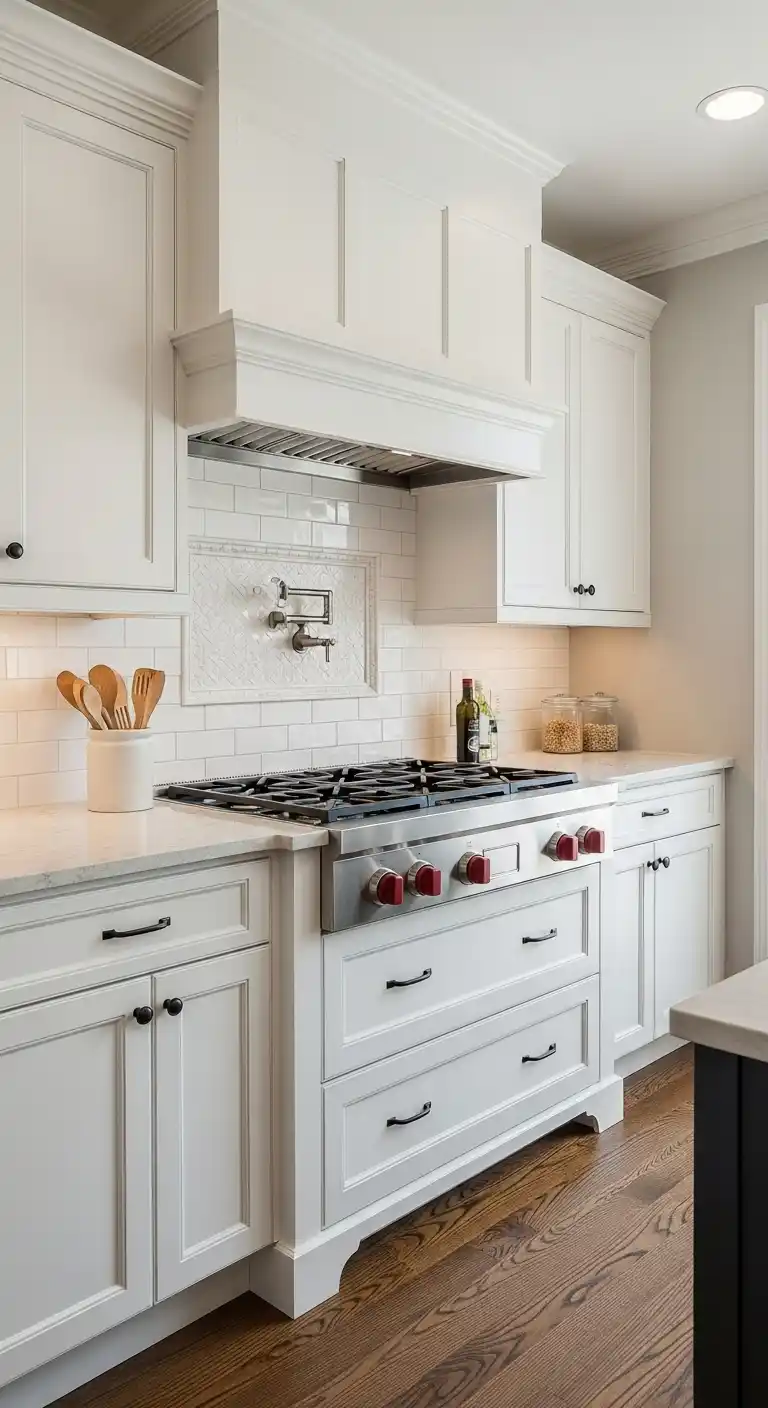
The right kitchen cabinet molding creates a sense of balance and harmony.
It can seamlessly tie together different elements of your kitchen, such as cabinetry, countertops, and flooring.
Molding also gives the cabinetry a more substantial and refined look, making the kitchen feel more polished.
Without molding, the cabinets may feel unfinished or disconnected from the rest of the room.
Now that we’ve covered the basics, let’s jump into the 21 kitchen cabinet molding ideas to help you make the best decision for your space.
21 Kitchen Cabinet Molding Ideas
1. Crown Molding for Classic Elegance
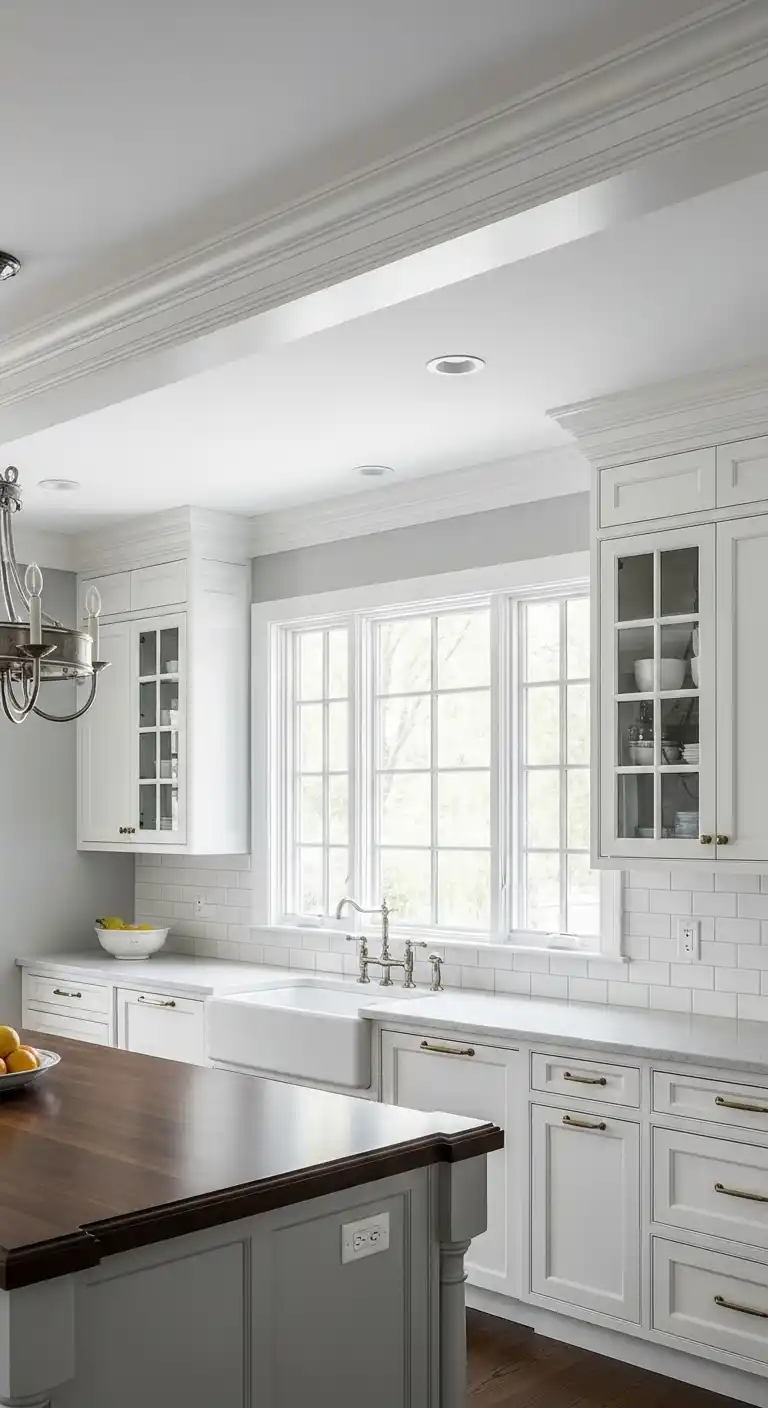
Crown molding is a timeless and elegant choice for kitchen cabinets.
This molding style sits at the top of the cabinets, adding a sophisticated finishing touch.
It creates a seamless transition between the cabinetry and the ceiling, making the space feel more complete.
Crown molding is perfect for traditional and farmhouse-style kitchens, but it can also complement modern spaces with the right finish.
By selecting the right size and profile, you can achieve a look that is both bold and refined.
2. Shaker-Style Molding for Simple Beauty
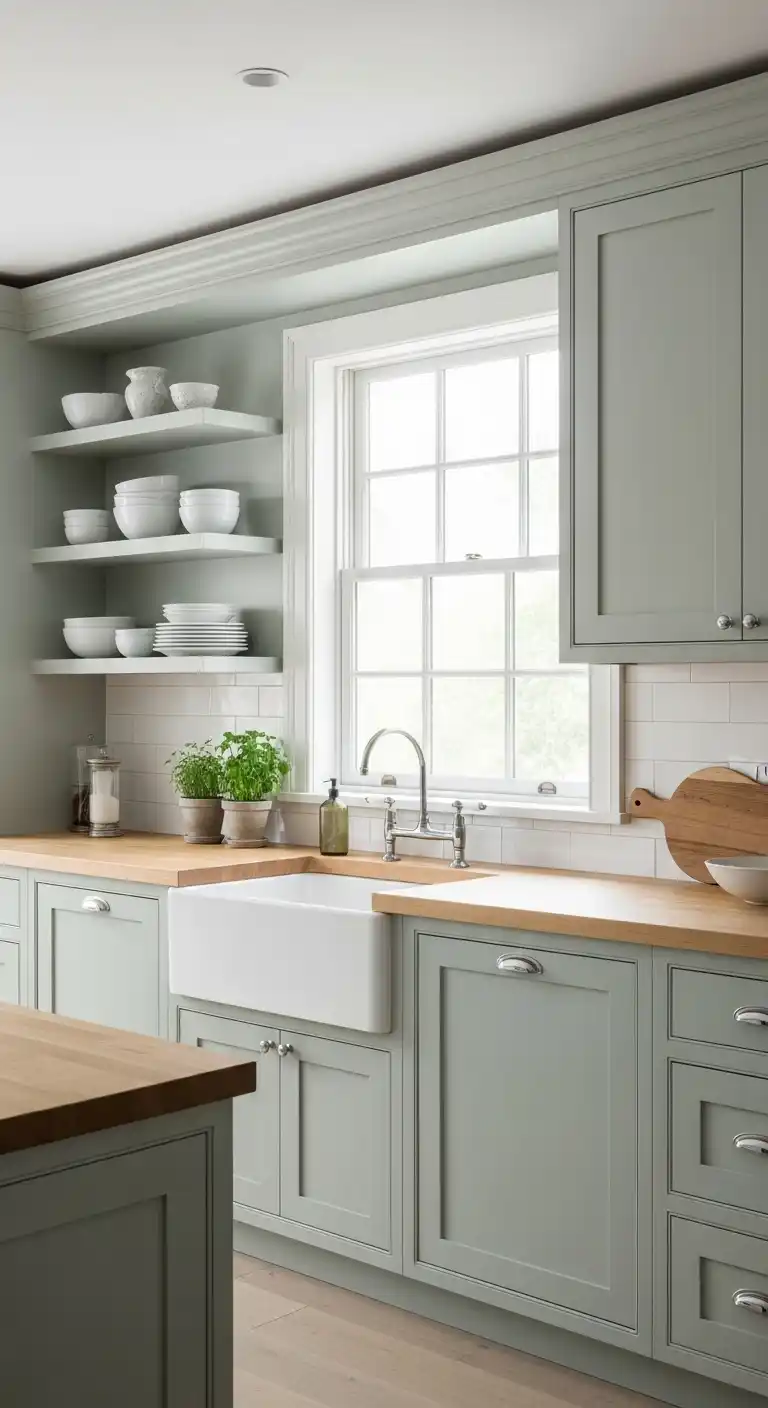
For a minimalist look, consider shaker-style molding.
This clean, straight-edge design enhances the cabinet’s structure without overpowering the space.
Shaker-style molding is ideal for contemporary kitchens, as well as transitional designs.
Its simple beauty allows the cabinetry itself to be the focal point, while the molding provides subtle definition.
This style is perfect for those who want to achieve a modern, uncluttered aesthetic.
3. Arch-Top Molding for a Touch of Romance
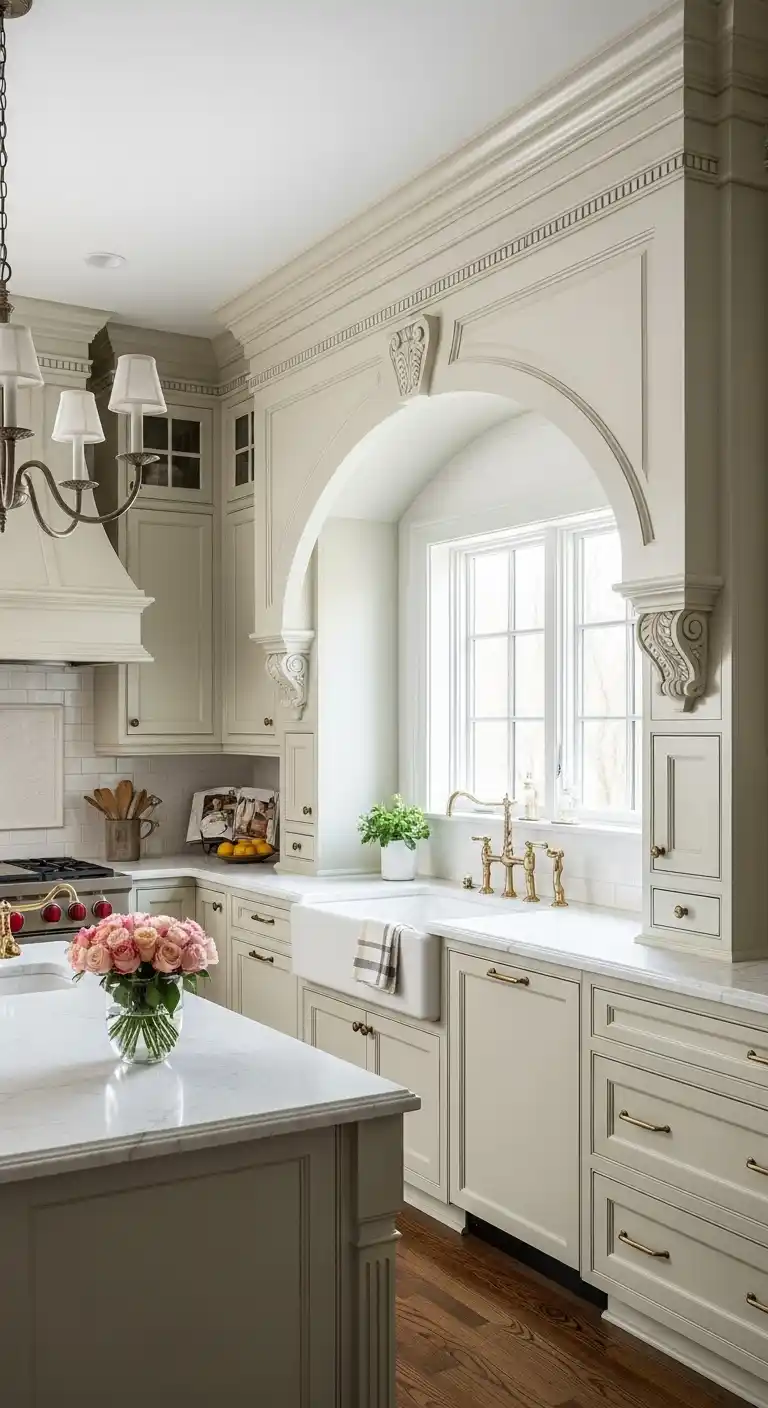
If you want to add a romantic, dramatic flair to your kitchen, arch-top molding is a fantastic option.
The rounded curves of the arch create a soft, elegant effect that contrasts with the hard lines of the cabinets.
This style is especially beautiful in kitchens with vintage or traditional themes.
The arch adds a sense of luxury and timeless charm to the cabinetry, making it stand out beautifully.
4. Decorative Rope Molding for Old-World Charm
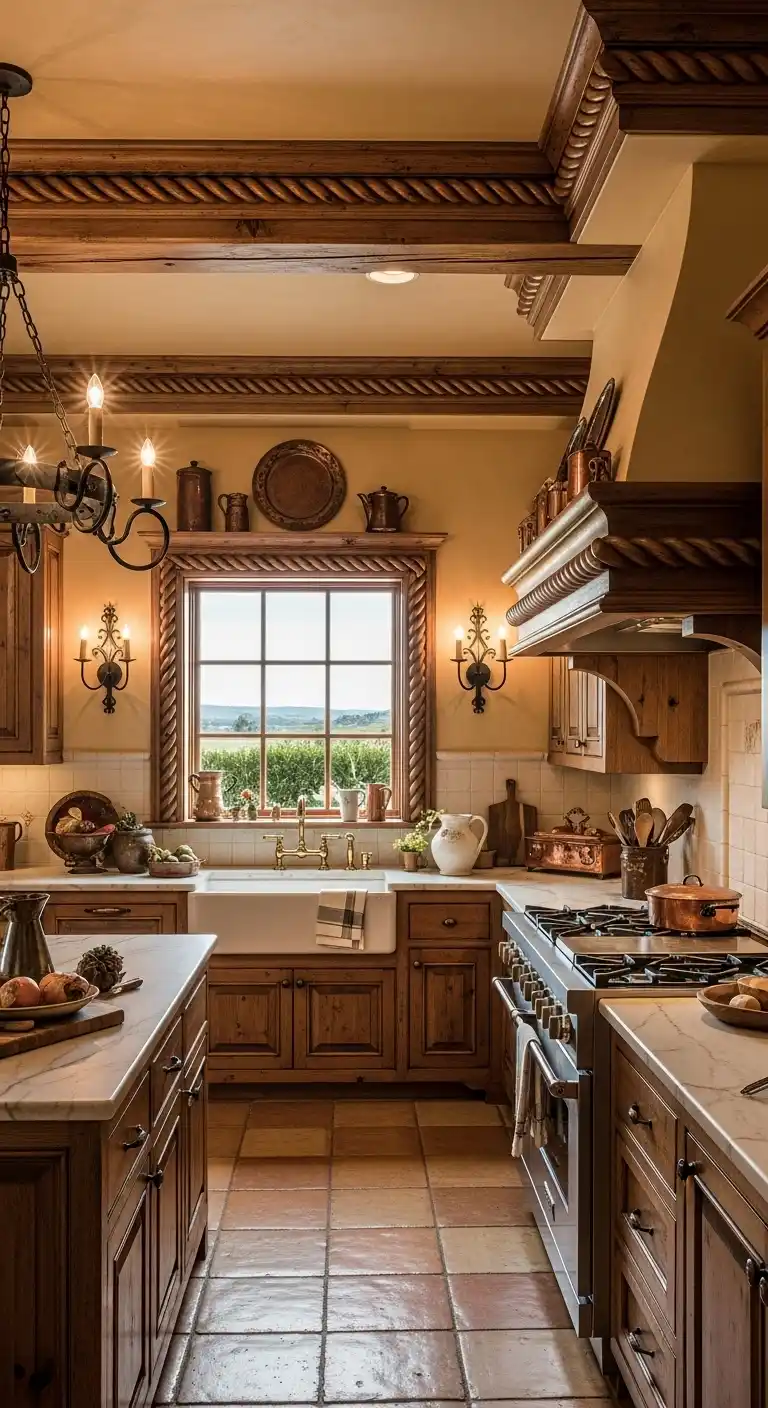
For those who love classic, vintage styles, decorative rope molding brings a sense of old-world elegance.
This detailed trim creates a textured, luxurious look on your cabinets.
Rope molding is perfect for traditional, French-country, or Mediterranean kitchens.
The intricate design of the rope adds visual interest, making it an ideal choice for homeowners who want to create a rich, timeless atmosphere.
5. Beadboard Molding for Cottage Appeal
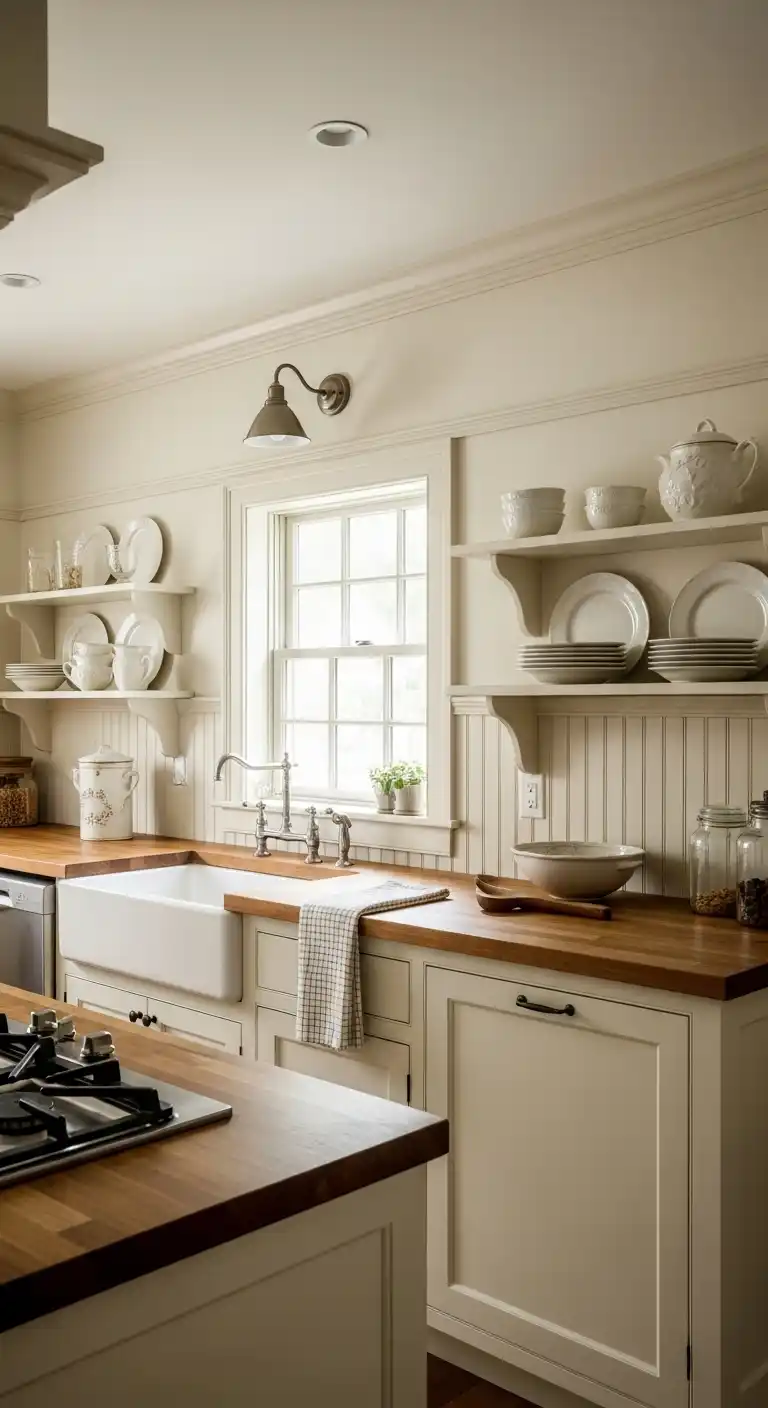
Beadboard molding offers texture and dimension, making it perfect for cottage-style kitchens.
This molding features evenly spaced vertical panels, giving your cabinetry a charming, rustic feel.
Beadboard works beautifully in coastal or farmhouse kitchens, especially when paired with open shelving.
It’s a great option for creating a cozy, inviting space that feels both fresh and timeless.
6. Fluted Molding for Added Texture
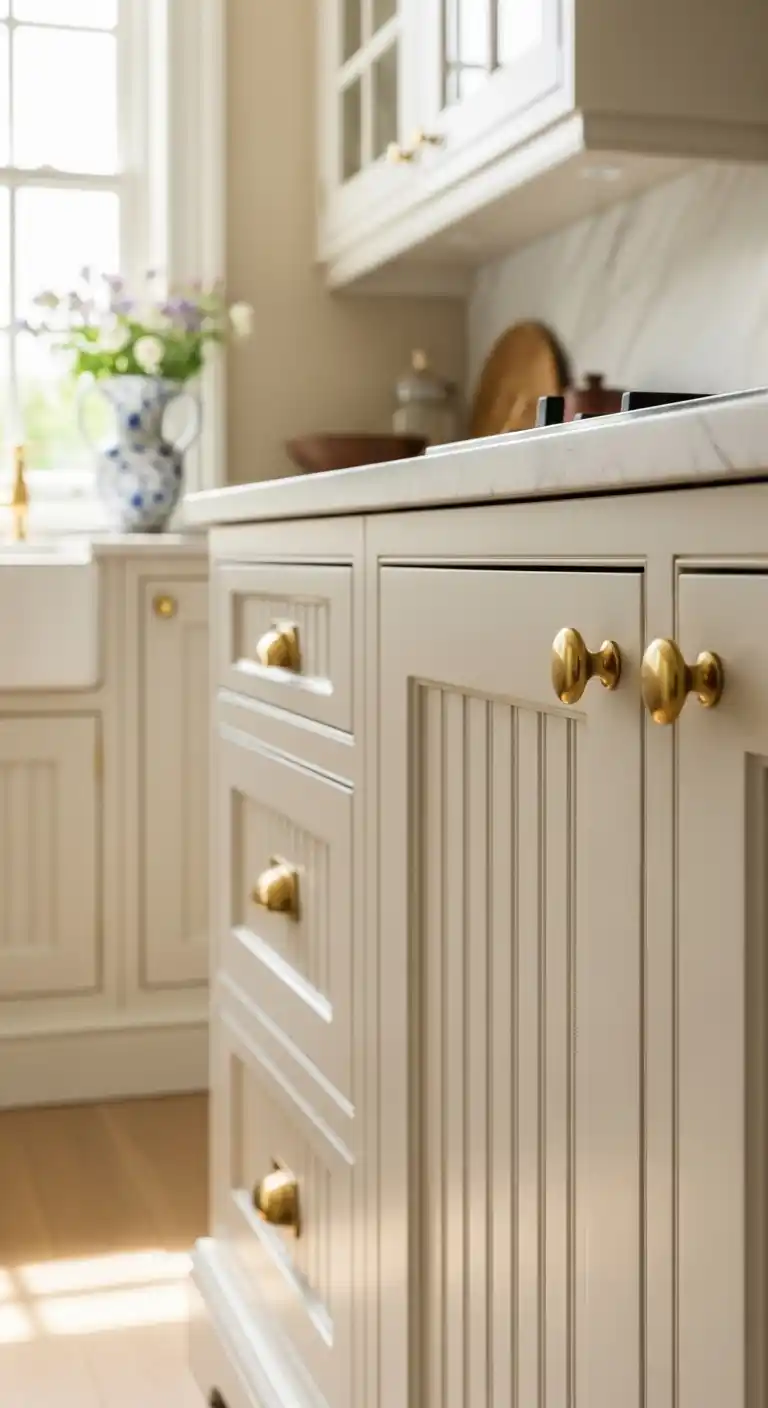
Fluted molding features vertical grooves, adding depth and texture to your kitchen cabinets.
This style is perfect for traditional kitchens, as well as Mediterranean or classical designs.
The grooves create a subtle, textured finish that enhances the elegance of the cabinetry.
It’s an excellent way to add interest without overwhelming the space.
7. Square Edge Molding for Clean Lines
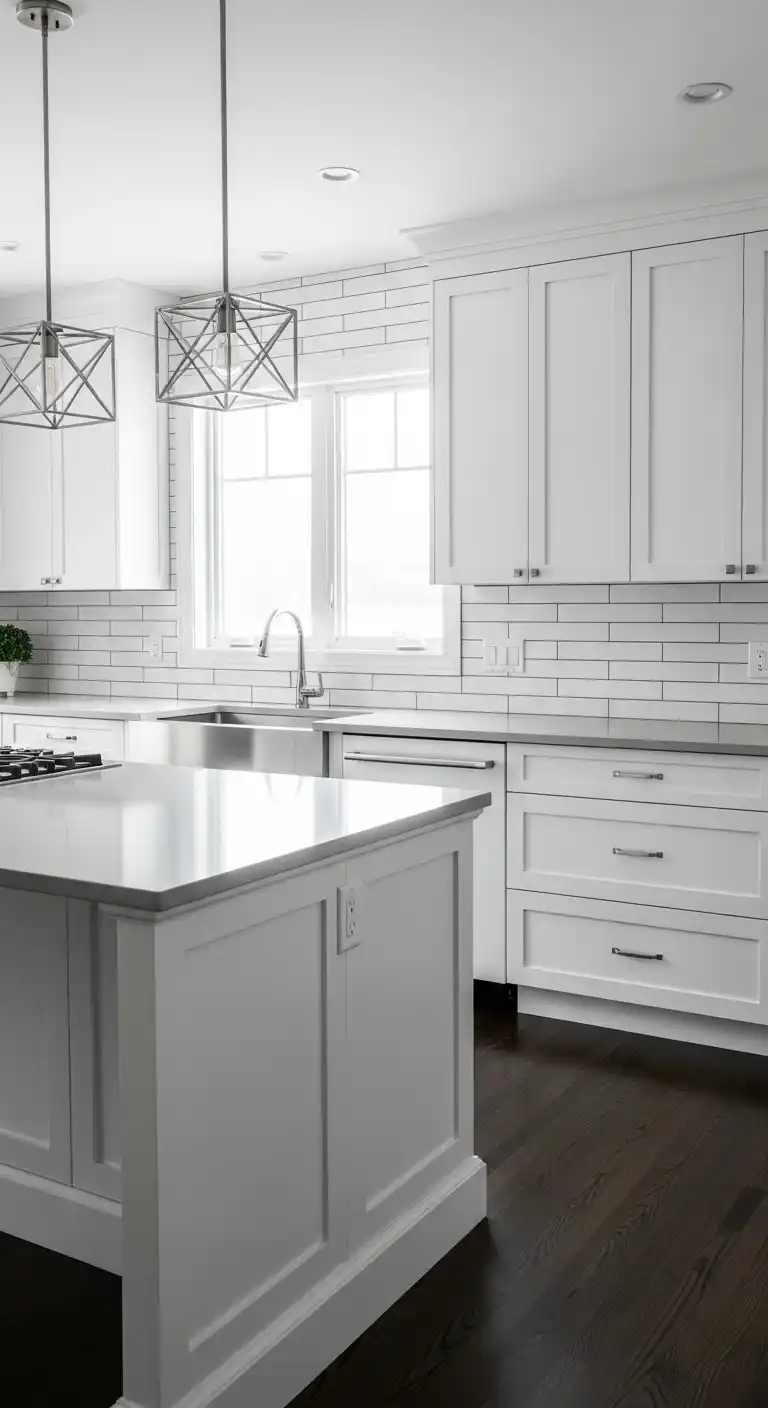
If you prefer clean, modern lines, square edge molding is a great choice.
This simple yet sharp design is ideal for contemporary kitchens that emphasize minimalism.
The straight edges and smooth finish of square molding give your cabinets a sleek, modern appearance.
This style complements modern finishes like matte black, glass, or stainless steel for a refined look.
8. Ogee Molding for Subtle Sophistication
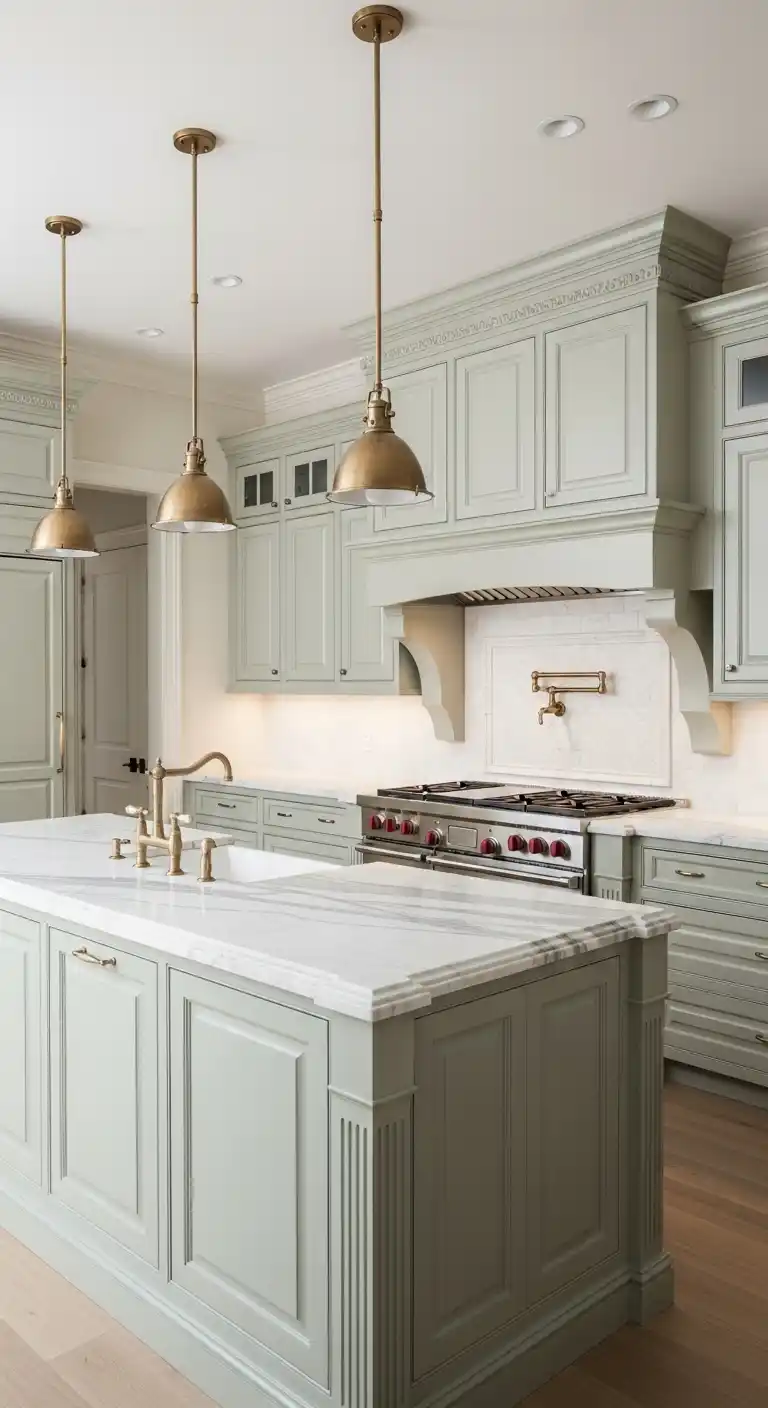
Ogee molding is perfect for those seeking a subtle yet sophisticated design.
The “S” curve adds a graceful touch to the top or bottom of cabinets, creating an elegant outline.
This style works well in both traditional and transitional kitchens.
It offers a refined appearance that is less ornate than other molding options but still adds plenty of charm.
9. Simple Casing for Understated Charm
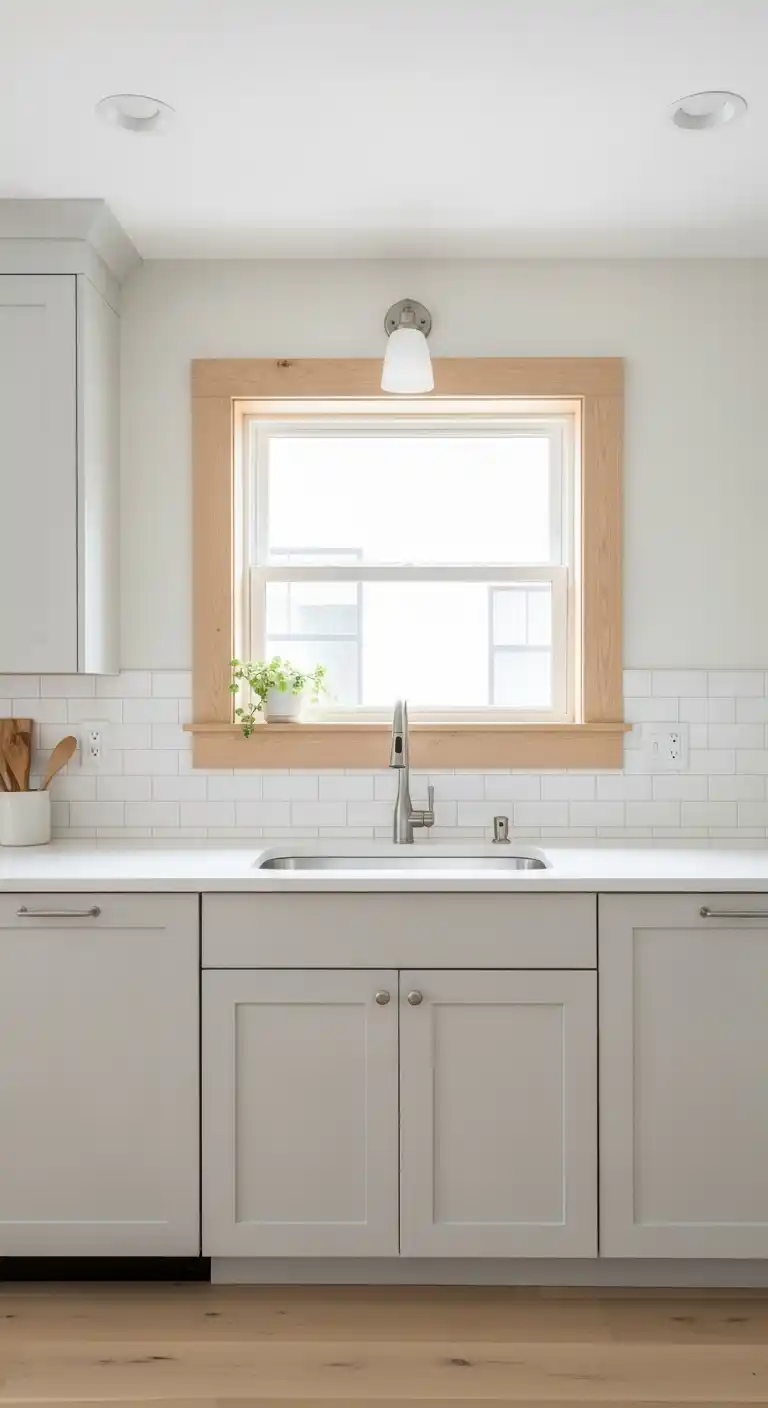
If you prefer simplicity, a straightforward casing molding can provide an understated look.
This clean, basic trim adds just enough definition to the cabinets without being too elaborate.
Casing molding is a fantastic choice for modern kitchens, as well as spaces with a neutral or minimalist design.
It’s ideal for those who want a polished finish without excessive ornamentation.
10. Paneled Molding for Depth and Dimension
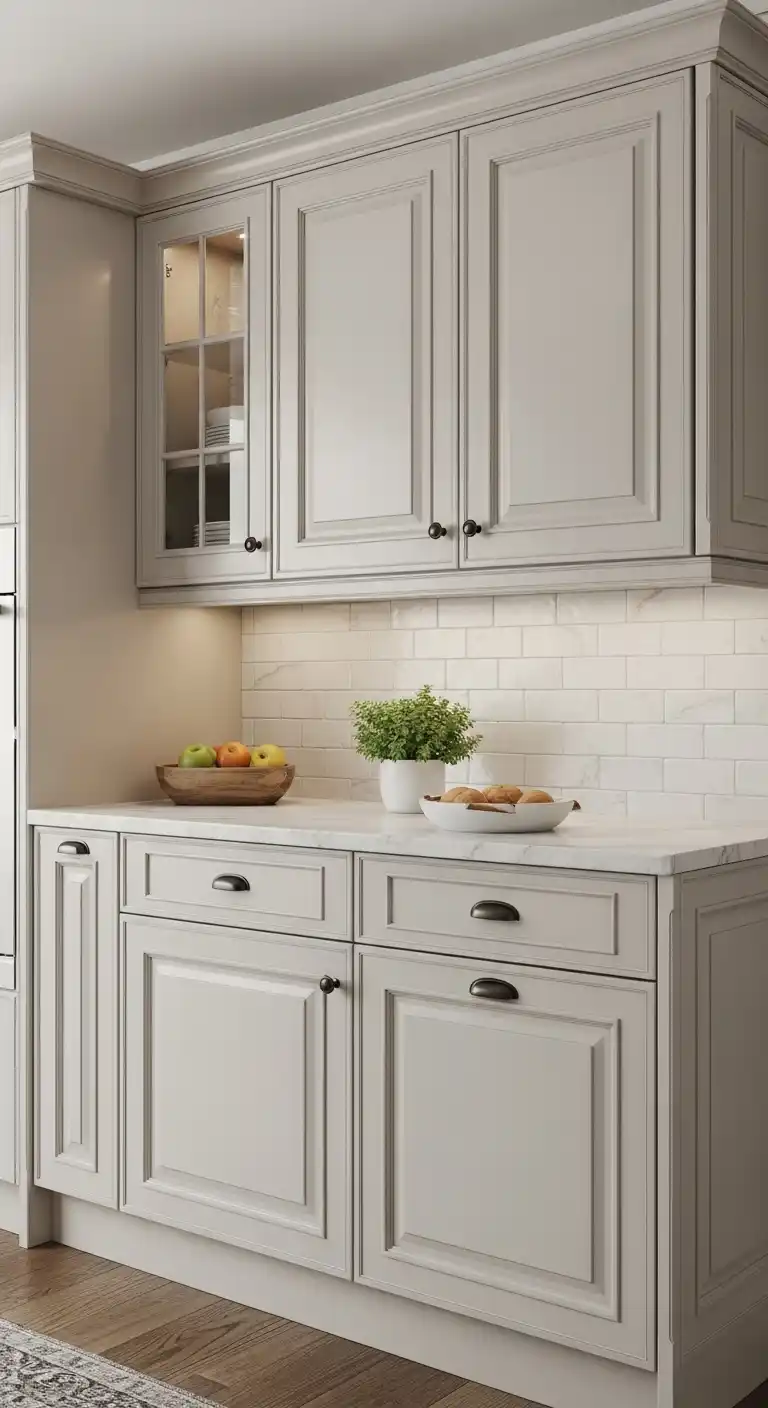
Paneled molding adds a touch of dimension to kitchen cabinets.
It incorporates raised panels that create a layered look, adding depth and texture.
This style works beautifully with traditional or farmhouse designs, helping the cabinetry feel more substantial.
Paneled molding can also be used to highlight specific sections of your cabinets for a unique design element.
11. Modern Trim Molding for a Sleek Look
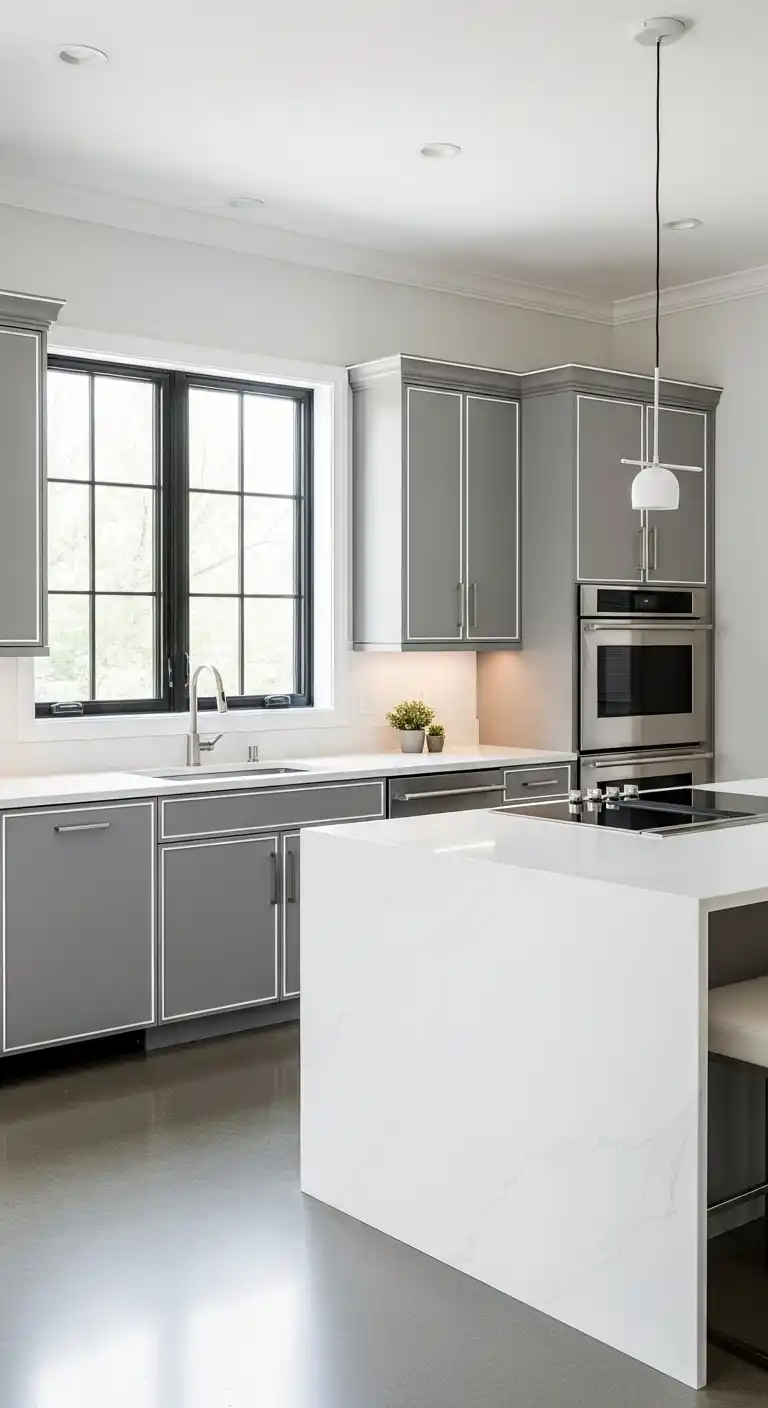
Modern trim molding is perfect for sleek, contemporary kitchens.
This style features simple, sharp lines with minimal detailing, making it ideal for modern aesthetics.
It’s designed to complement the clean, crisp look of modern cabinetry.
If you’re after a cutting-edge, sophisticated appearance, this is the ideal choice.
12. Vintage Molding for a Classic Feel
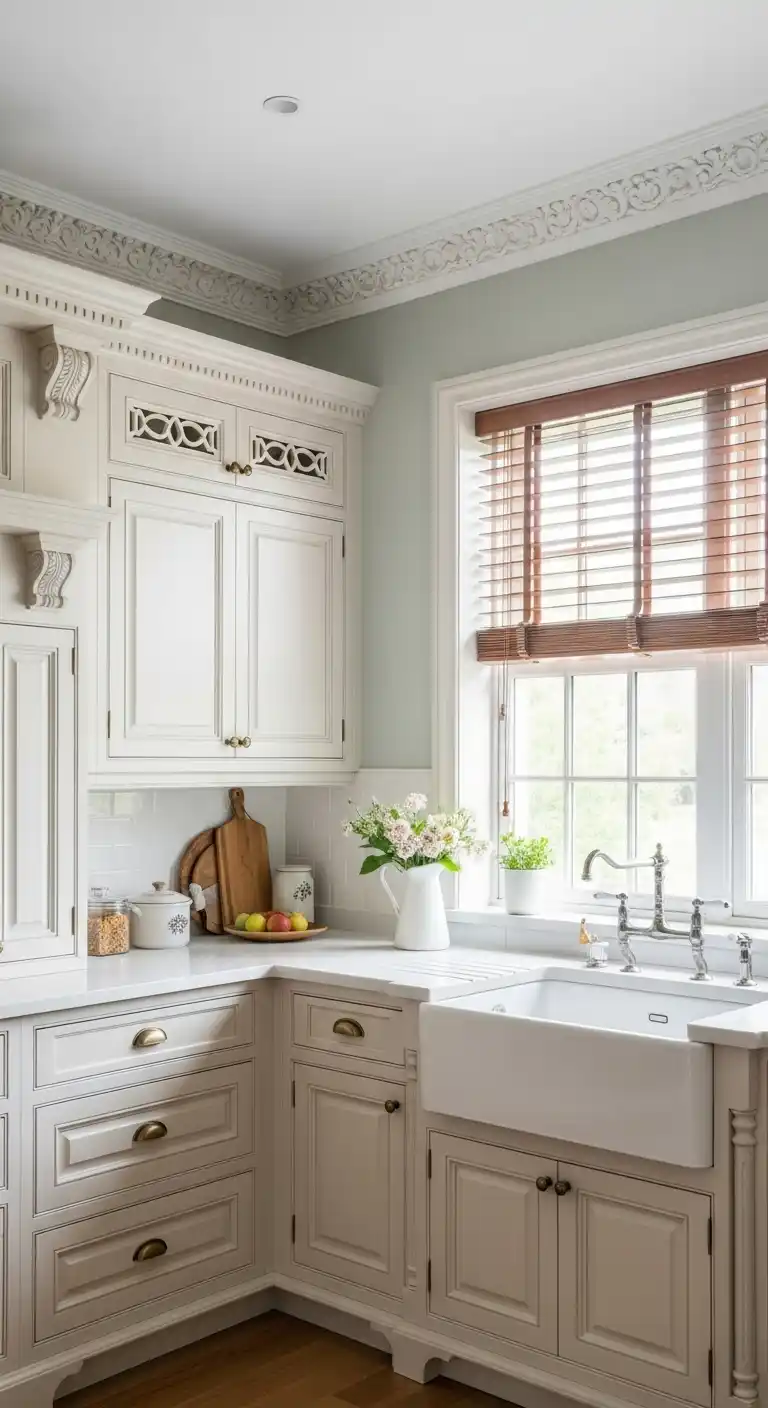
Vintage kitchen cabinet molding evokes the elegance of old-world craftsmanship.
With intricate detailing and ornate flourishes, this molding brings a sense of charm and history to your kitchen.
Vintage-style molding is ideal for kitchens with antique hardware or vintage-inspired design elements.
It adds a luxurious, classic feel that never goes out of style.
13. Two-Tiered Molding for Drama and Impact
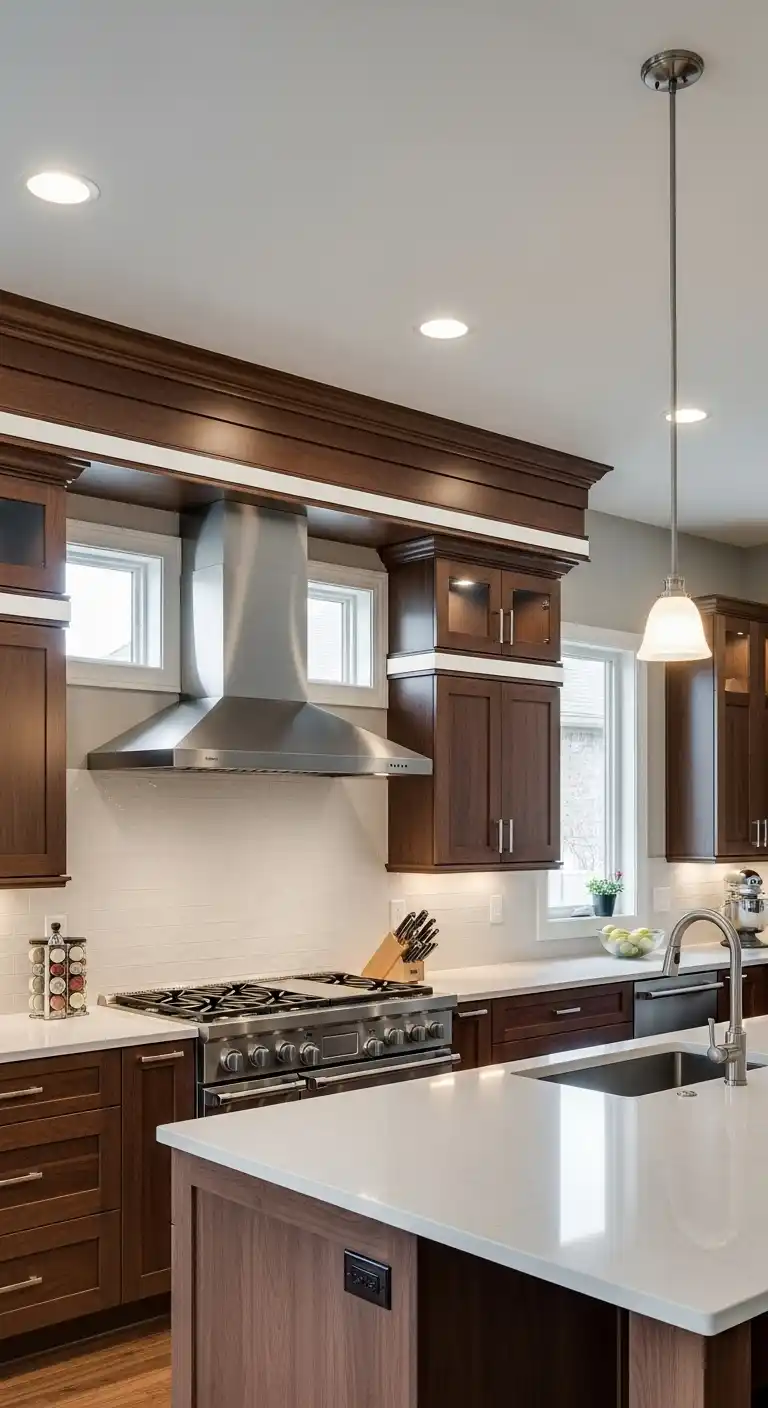
Two-tiered molding creates a dramatic, bold look for your kitchen cabinets.
This design features a two-part trim—one layer for the top and one for the bottom—creating a layered effect.
It adds dimension and visual interest to the cabinets, making them stand out.
If you want to make a statement, this molding style will certainly deliver.
14. Pitched Molding for High Ceilings
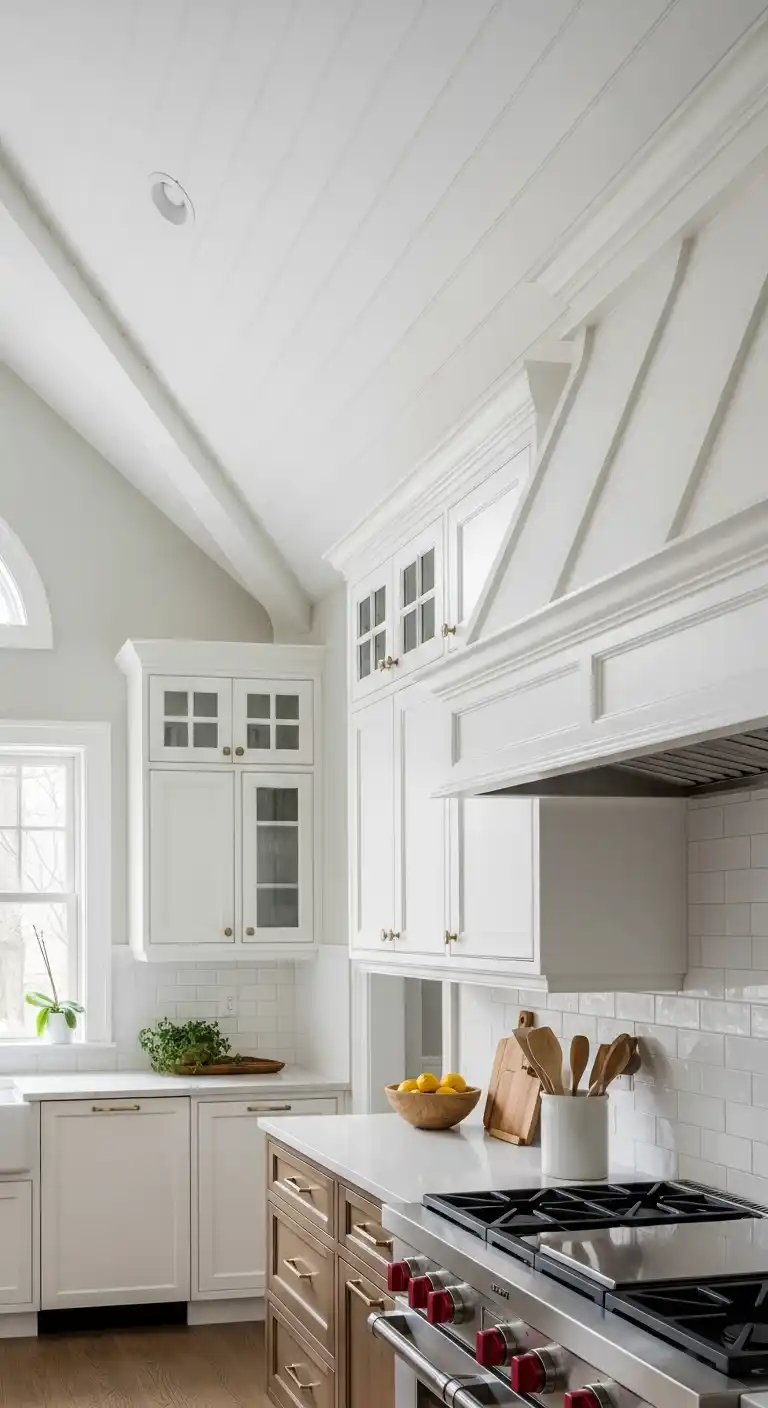
If your kitchen has high ceilings, pitched molding is a great way to emphasize the height.
This style creates a slope that visually elongates the room and draws the eye upward.
Pitched molding works well in spaces with vaulted or cathedral ceilings.
It’s perfect for adding an extra layer of elegance to a grand kitchen.
15. Transitional Molding for Versatile Appeal
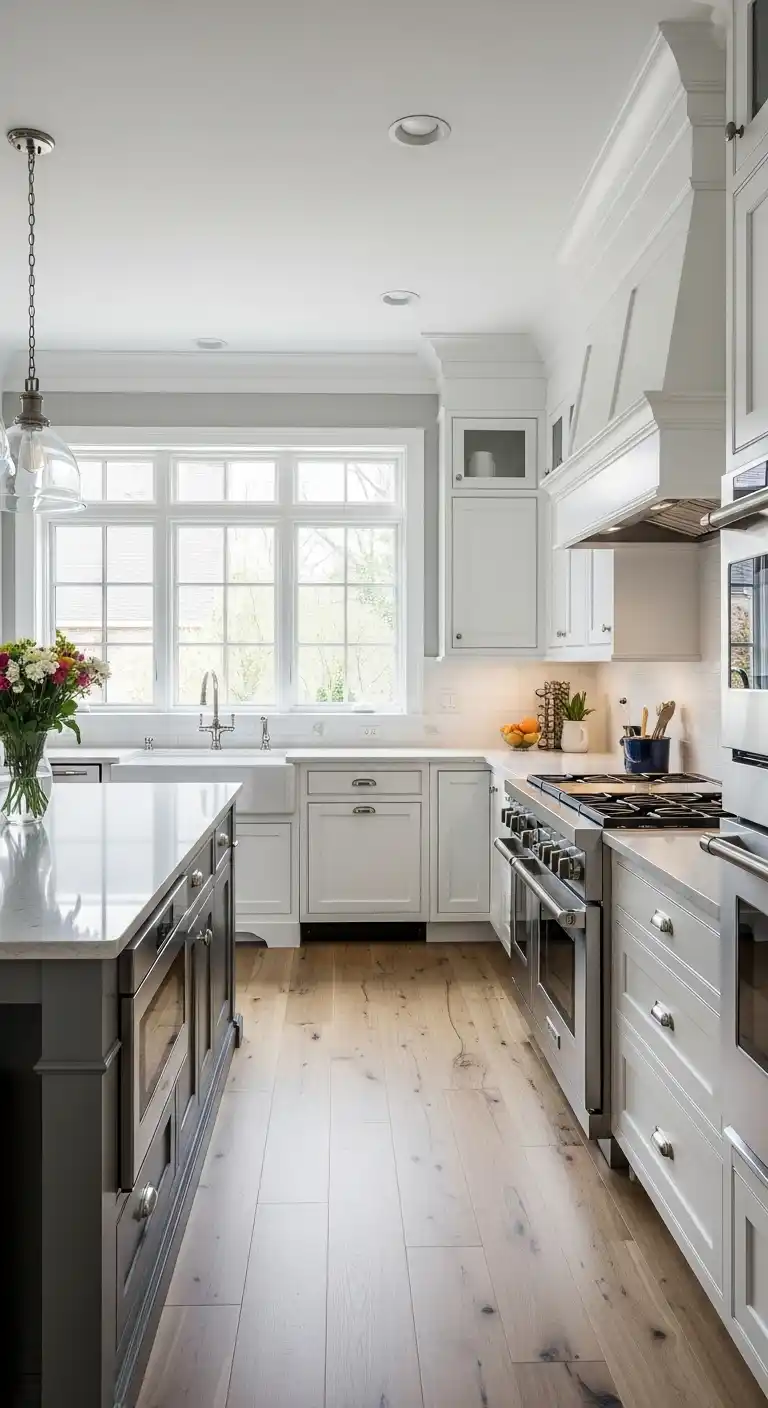
Transitional molding blends both traditional and modern styles, making it an excellent choice for a versatile look.
This molding style is ideal if you want to balance classic elegance with contemporary simplicity.
It’s a great fit for kitchens that mix different design elements, from modern appliances to traditional cabinetry.
Transitional molding adds refinement without being overly formal.
16. Simple Base Molding for Foundation
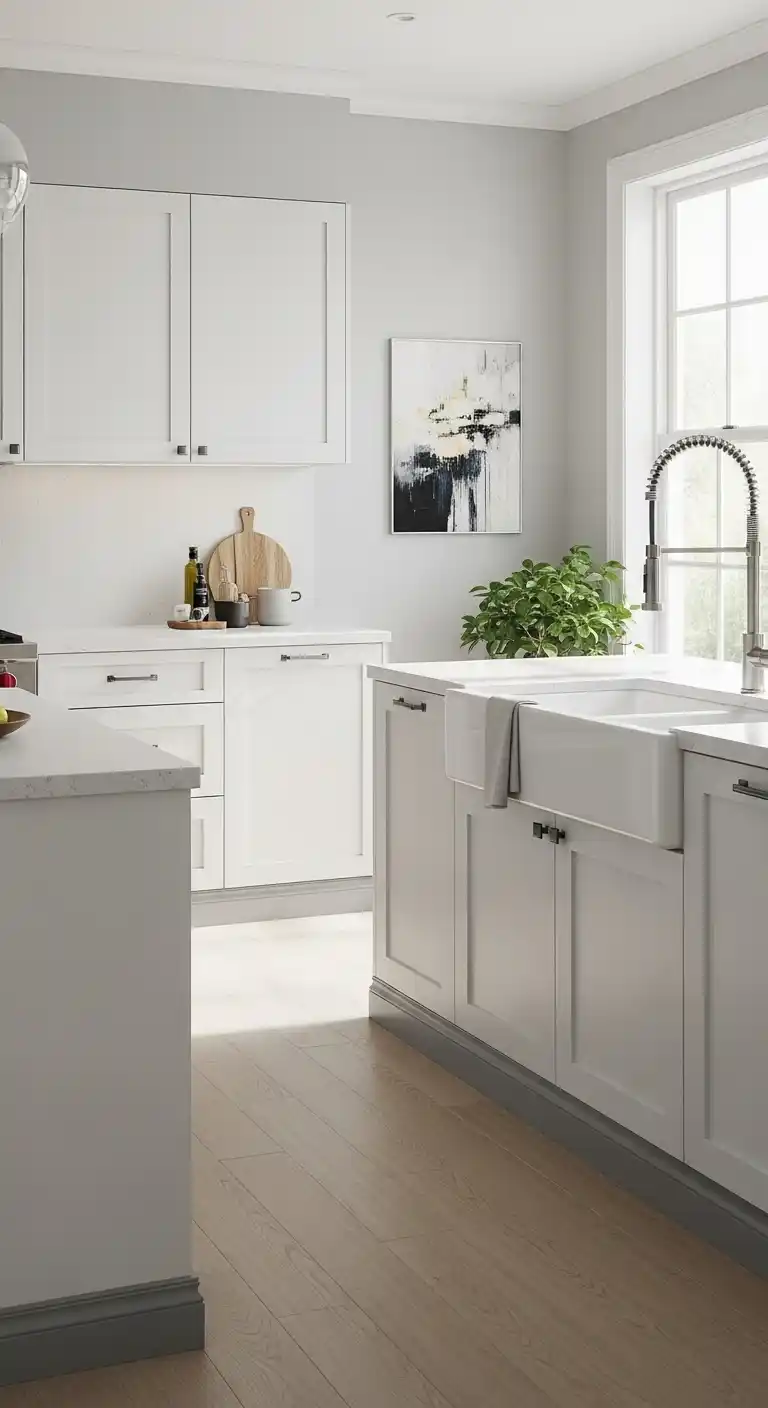
Base molding isn’t just for the bottom of walls—it also provides a polished finish for the base of your cabinets.
This style adds a subtle touch of sophistication to the bottom of your kitchen cabinets.
Base molding is perfect for those who want a clean, finished look without heavy detailing.
It’s ideal for modern and minimalist kitchen designs.
17. Traditional Molding for Timeless Beauty
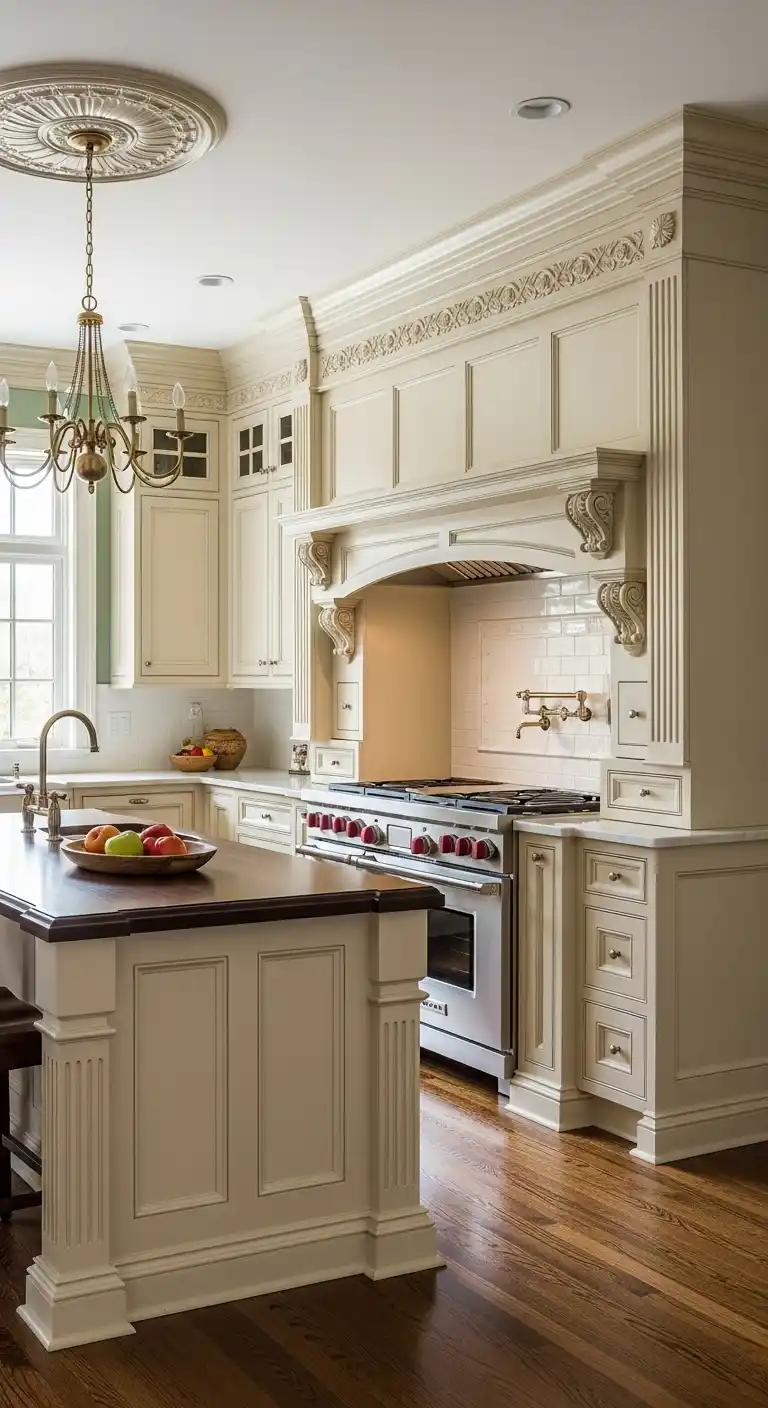
Traditional molding adds an intricate, beautiful finish to kitchen cabinets.
This style features detailed curves, fluted edges, and ornamental patterns that evoke a sense of old-world craftsmanship.
Traditional molding is perfect for those who want to create a formal, elegant kitchen.
It works especially well in classic or colonial-inspired spaces.
18. Low-Profile Molding for Subtlety
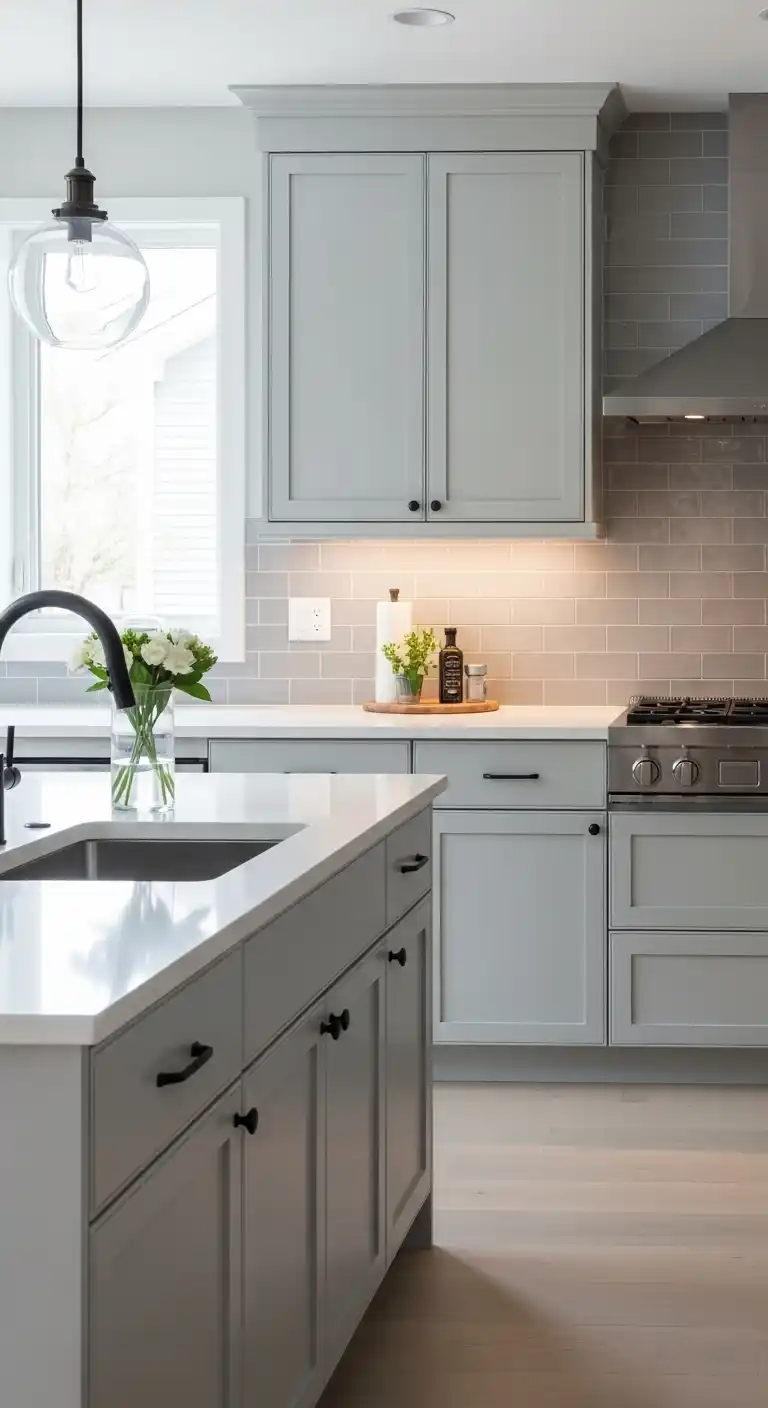
Low-profile molding offers a sleek and minimalist design for those who prefer subtlety.
This style provides just a hint of definition around the edges of the cabinets without overwhelming the space.
Low-profile molding is ideal for modern kitchens with a simple, clean aesthetic.
It adds a refined touch without drawing too much attention.
19. Corner Molding for Seamless Transitions
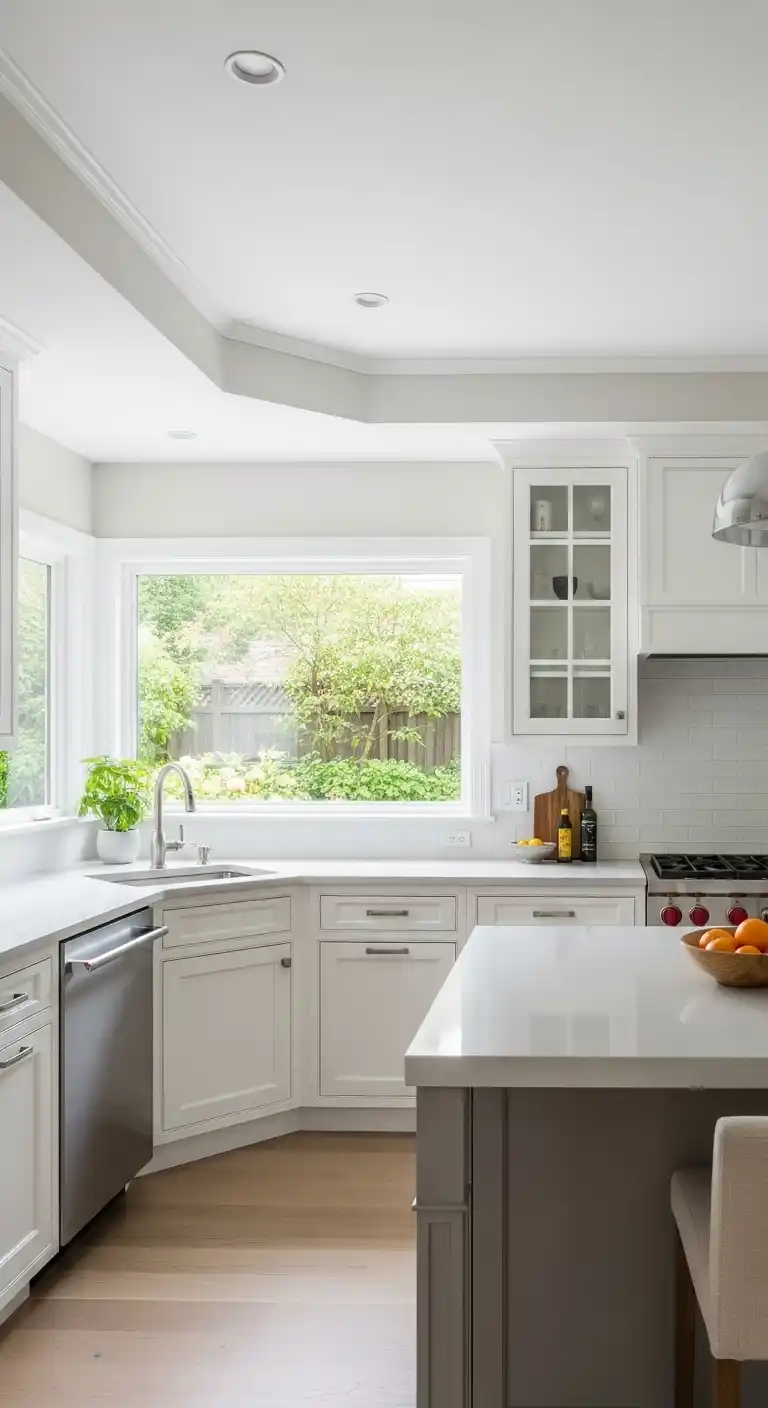
Corner molding ensures a smooth, seamless transition between walls and cabinets.
It’s perfect for making the corners of your kitchen look polished and well-defined.
Corner molding helps tie everything together, creating a more cohesive look.
This subtle addition can make your cabinets appear more custom and well-designed.
20. Colonial Molding for Elegant Detailing
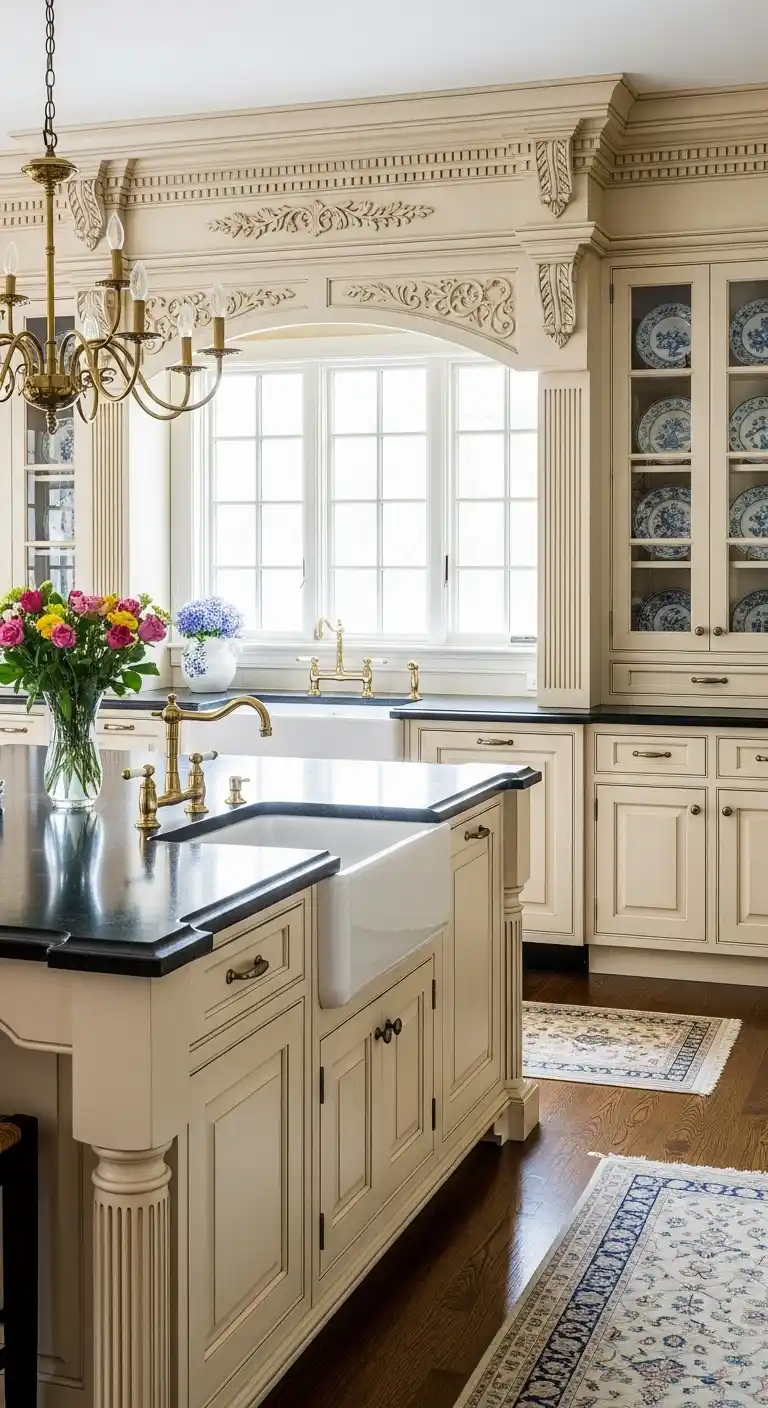
Colonial kitchen cabinet molding brings elegance and refinement to your space.
This intricate design often includes floral patterns, curved edges, and ornate detailing.
Colonial molding is perfect for traditional kitchens that feature classic cabinetry.
It’s a great choice for homeowners who want to add a regal, stately feel to their kitchen.
21. LED-Backlit Molding for a Modern Touch
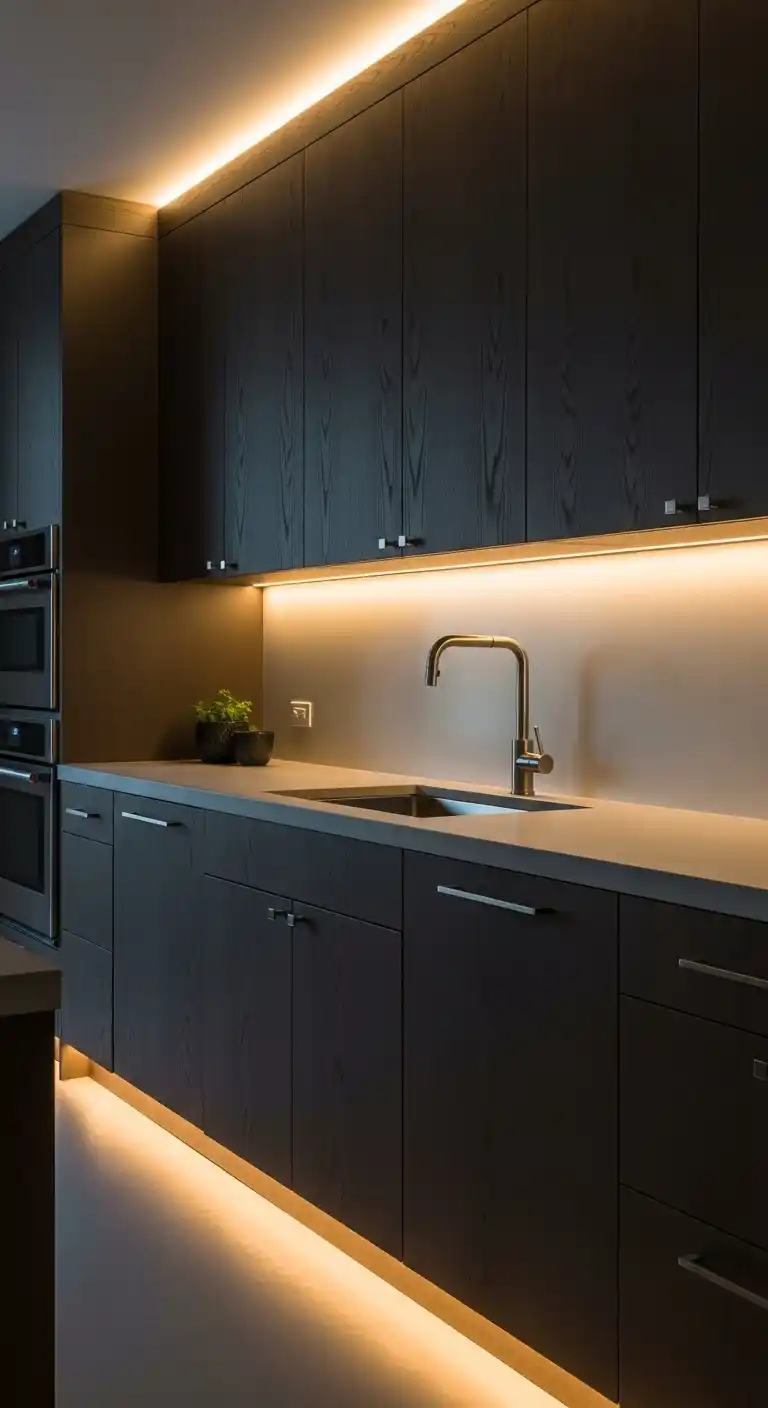
For a unique, modern twist, consider LED-backlit molding.
This innovative design incorporates LED lights into the molding, creating a glowing effect around your cabinets.
It adds a contemporary, high-tech touch to your kitchen while highlighting your cabinetry.
LED-backlit molding is perfect for creating a dynamic, eye-catching look.
Practical Tips for Choosing Kitchen Cabinet Molding
When selecting kitchen cabinet molding, consider the overall design of your kitchen.
The molding should complement the style of your cabinetry and the overall aesthetic of the space.
Think about the material of the molding, the color, and the scale in relation to your cabinets.
You also want to ensure that the molding you choose fits the scale of your kitchen, making the space feel balanced and cohesive.
How to Install Kitchen Cabinet Molding
Installing kitchen cabinet molding is relatively simple with the right tools.
Start by measuring the top, bottom, and sides of your cabinets.
Cut the molding to the correct lengths using a miter saw, then attach it with finishing nails or strong adhesive.
Be sure to check the alignment and level as you work.
Final Thoughts
Choosing the right kitchen cabinet molding can transform your space.
Whether you prefer classic, traditional styles or modern, sleek designs, there’s a molding option for every taste.
By selecting the right molding, you’ll enhance the look of your cabinets and bring your entire kitchen together.
The key is to choose a style that complements the overall design of your space and adds just the right amount of detail.