

Adding a basement kitchenette is a smart way to maximize your home’s space and functionality.
Whether you want to create a rental unit, a guest suite, or a convenient secondary cooking area, understanding how much does a basement kitchenette cost is essential for planning your renovation budget.
In this blog post, we’ll break down the factors that influence the cost, typical price ranges, and tips to get the best value for your investment.
Contents
- What Is a Basement Kitchenette?
- Factors Influencing How Much a Basement Kitchenette Costs
- Typical Cost Breakdown for a Basement Kitchenette
- Cost Examples Based on Project Scope
- How to Save Money on Your Basement Kitchenette Project
- Additional Costs to Consider
- Is a Basement Kitchenette Worth the Investment?
- Final Thoughts
What Is a Basement Kitchenette?
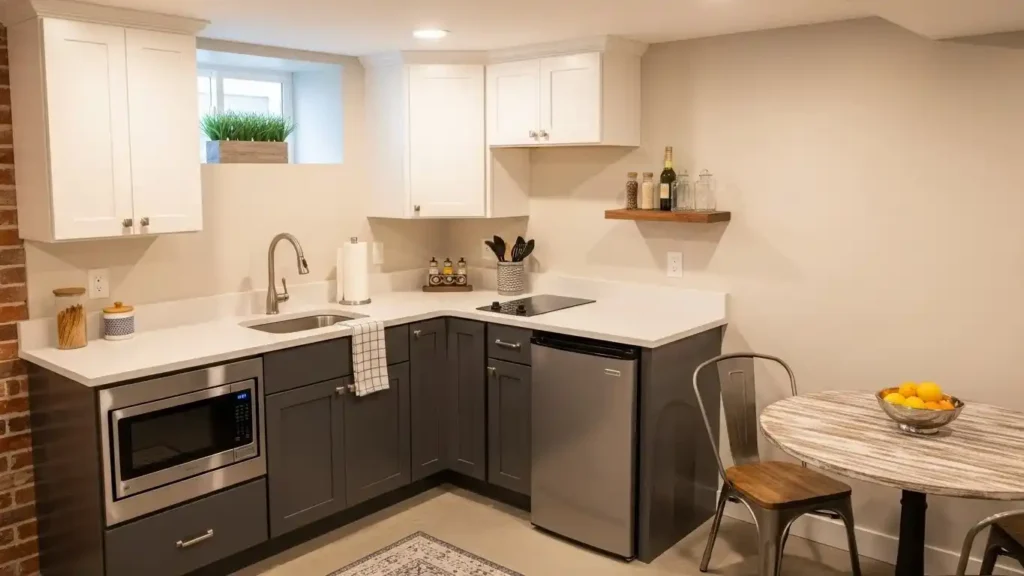
Before diving into costs, it’s helpful to clarify what a basement kitchenette entails. Unlike a full kitchen, a kitchenette is a smaller cooking area that typically includes a compact set of appliances and fixtures such as:
- A mini refrigerator or small fridge
- A microwave or small oven
- A cooktop or two-burner stove
- A sink with plumbing
- Basic cabinetry and countertop space
The goal of a basement kitchenette is to provide essential cooking functions without the full scale of a traditional kitchen.
This makes it ideal for spaces where you want to save room or reduce costs but still maintain independence for the basement area.
Factors Influencing How Much a Basement Kitchenette Costs
The cost of installing a basement kitchenette can vary widely depending on several key factors:
1. Existing Basement Condition
Is your basement unfinished, partially finished, or already equipped with some plumbing and electrical infrastructure?
An unfinished basement will require framing, drywall, flooring, and possibly insulation, which adds to the overall cost.
If the basement is already partially finished with utilities in place, installation can be much more affordable.
2. Plumbing and Electrical Work
Adding a kitchenette means installing water lines, drainage, and electrical wiring for appliances and lighting.
The complexity and distance from existing plumbing and electrical panels will impact labor and material costs.
Older homes may require upgrades to meet current codes, further increasing expenses.
3. Appliances and Fixtures
The choice of appliances greatly affects the budget.
Basic models like a compact fridge and a two-burner cooktop are more affordable, while high-end appliances or built-in options will increase costs.
Similarly, the quality of the sink, faucet, and cabinetry influences the final price.
4. Cabinetry and Countertops
Cabinetry can range from simple stock units to custom-built designs.
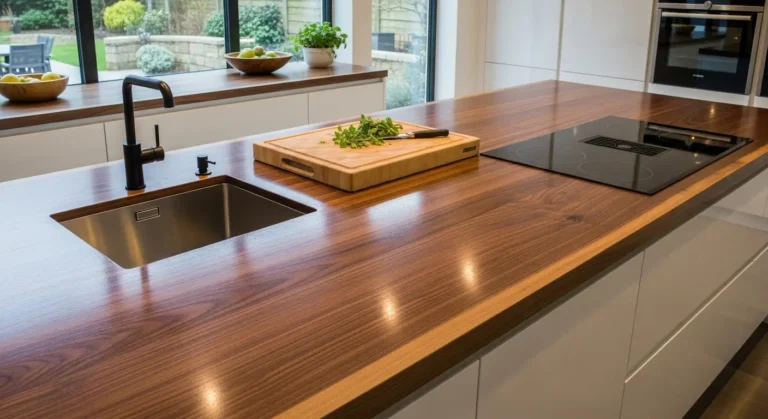
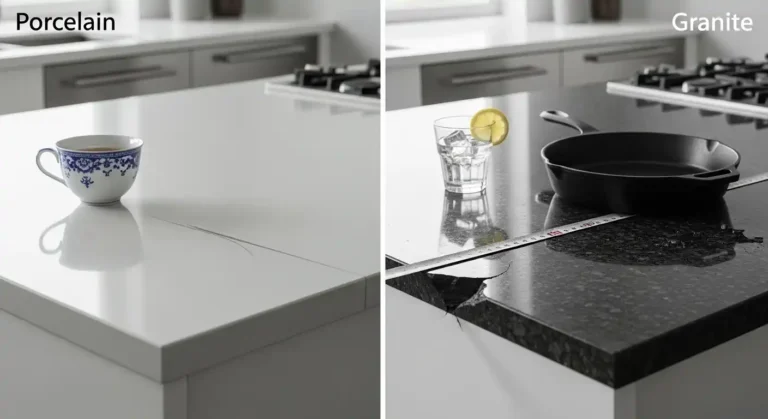
Countertop materials vary from laminate (budget-friendly) to granite or quartz (more expensive).
Your design preferences and material choices will affect the total cost.
5. Labor Costs and Location
Labor rates vary by region and the complexity of the project.
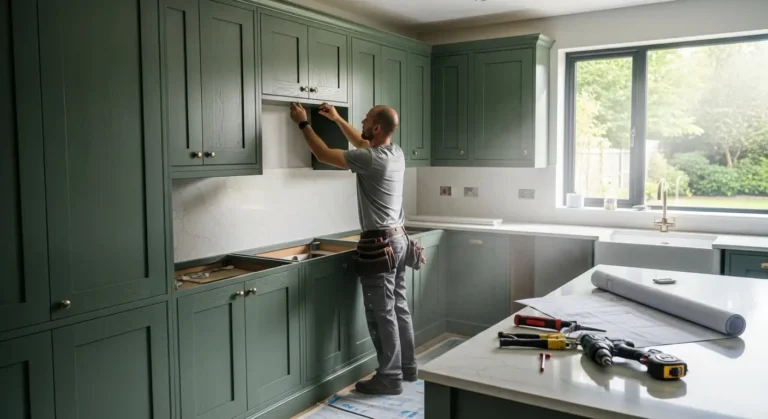
Hiring licensed plumbers, electricians, and contractors ensures quality work but adds to the budget.
Urban areas or regions with higher living costs generally have higher labor rates.
6. Permits and Inspections
Many local jurisdictions require permits for plumbing and electrical work, especially when installing a kitchen or kitchenette.
Permit fees and inspection costs should be factored into your budget.
Typical Cost Breakdown for a Basement Kitchenette
Here is a rough breakdown of the typical costs involved in installing a basement kitchenette in the U.S.:
| Component | Estimated Cost Range |
|---|---|
| Basic Appliances | $1,000 – $3,000 |
| Plumbing Work | $1,500 – $5,000 |
| Electrical Work | $1,000 – $3,000 |
| Cabinetry and Countertops | $2,000 – $7,000 |
| Flooring and Finishes | $1,000 – $4,000 |
| Labor | $3,000 – $8,000 |
| Permits and Inspections | $200 – $1,000 |
Total Estimated Cost: $9,700 – $31,000
Keep in mind, these are general estimates and can vary widely based on your specific project scope and location.
Cost Examples Based on Project Scope
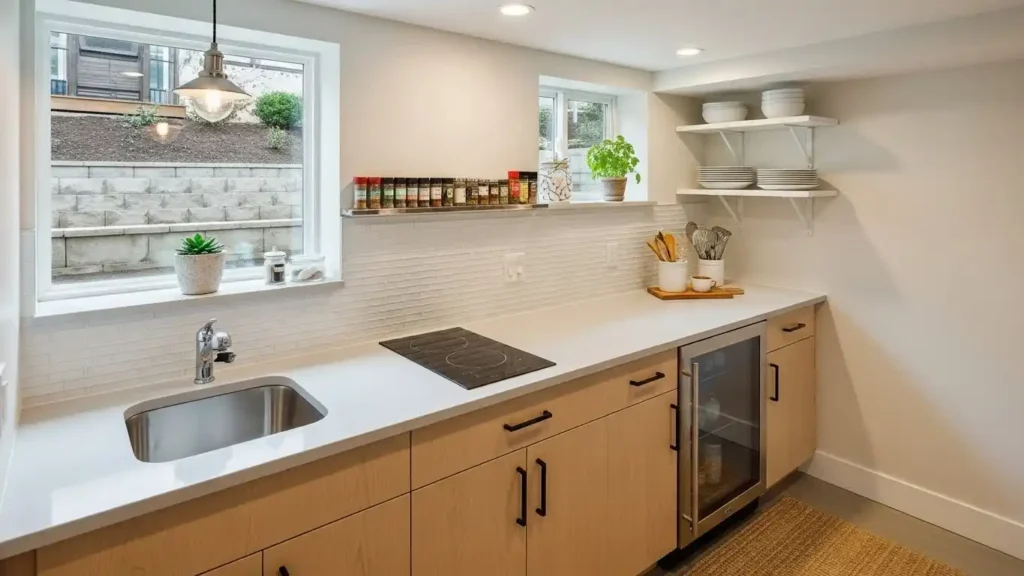
Budget Basement Kitchenette ($10,000 to $15,000)
- Compact appliances such as a mini fridge, microwave, and portable cooktop
- Stock cabinetry and laminate countertops
- Minimal plumbing work if existing lines are nearby
- Basic lighting and flooring upgrades
- DIY or limited professional labor
This option is great for homeowners looking to add basic functionality without a large investment.
Mid-Range Basement Kitchenette ($15,000 to $25,000)
- Mid-tier appliances including a small oven or cooktop, and a standard refrigerator
- Semi-custom cabinetry and better countertop materials like quartz or granite
- Moderate plumbing and electrical upgrades
- Finished flooring and improved lighting
- Licensed contractors for plumbing and electrical work
This range balances quality and cost, suitable for homeowners wanting a durable, attractive kitchenette that adds solid value.
High-End Basement Kitchenette ($25,000+)
- High-quality, built-in appliances with advanced features
- Custom cabinetry and premium countertops
- Extensive plumbing and electrical upgrades, including ventilation
- Designer lighting, flooring, and finishes
- Professional design and full contractor services
Ideal for homeowners aiming for a luxurious basement suite or rental unit that feels like a full kitchen.
How to Save Money on Your Basement Kitchenette Project
If you want to keep costs down without sacrificing too much quality, consider these tips:
- Reuse existing materials: Salvage cabinets, countertops, or appliances if possible.
- Choose compact or multi-functional appliances: Smaller refrigerators and combination microwave-ovens save space and money.
- DIY some work: Painting, installing flooring, or assembling cabinetry can reduce labor costs.
- Plan plumbing and electrical carefully: Minimize new plumbing runs and electrical circuits to reduce labor.
- Shop around for contractors: Get multiple quotes and check references to find the best value.
- Keep the layout simple: Avoid complex designs that require custom work or extensive modifications.
Additional Costs to Consider
Beyond the direct installation costs, be aware of potential additional expenses:
- Waterproofing and moisture control: Basements are prone to dampness, so investing in waterproofing can protect your renovation.
- Ventilation: Proper ventilation is essential in kitchens to prevent odors and moisture buildup.
- Heating and cooling: Ensure the basement kitchenette area is adequately heated and cooled for comfort.
- Furniture and accessories: You may want to add dining furniture or storage solutions to complete the space.
Is a Basement Kitchenette Worth the Investment?
Understanding how much does a basement kitchenette cost is only part of the equation. You should also consider the return on investment (ROI). A well-designed basement kitchenette can:
- Increase your home’s usable living space
- Boost property value, especially if it creates a rental opportunity
- Enhance your family’s lifestyle with flexible living arrangements
According to remodeling experts, basement renovations with kitchenettes can add 10-20% to your home’s value, depending on location and quality.
Final Thoughts
If you’re asking, how much does a basement kitchenette cost, the answer depends on many factors including your basement’s condition, appliance choices, labor, and local market conditions.
On average, you can expect to spend between $10,000 and $30,000 for a quality installation, with options to scale up or down based on your budget and goals.
Careful planning, realistic budgeting, and consulting with professionals will help you create a basement kitchenette that meets your needs and adds value to your home.
Whether you’re looking to create a cozy guest area, a rental suite, or just a convenient secondary kitchen, a basement kitchenette is a worthwhile investment that can enhance both your living space and your property’s market appeal.