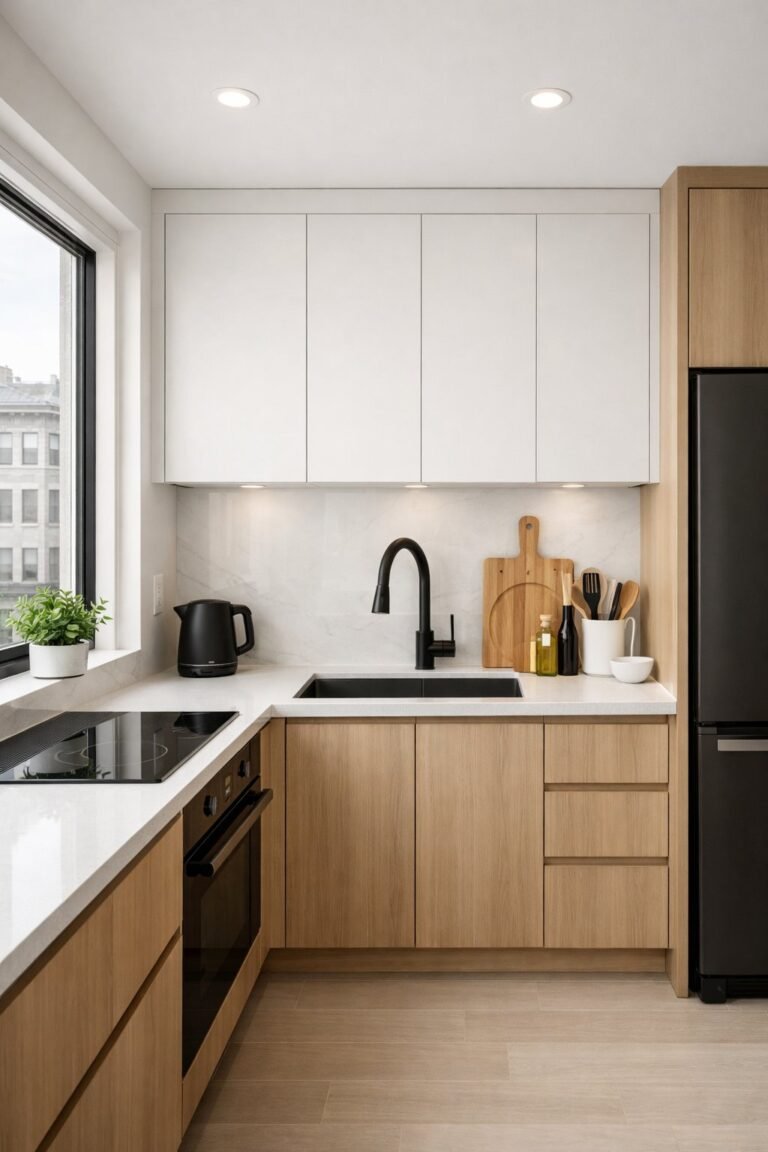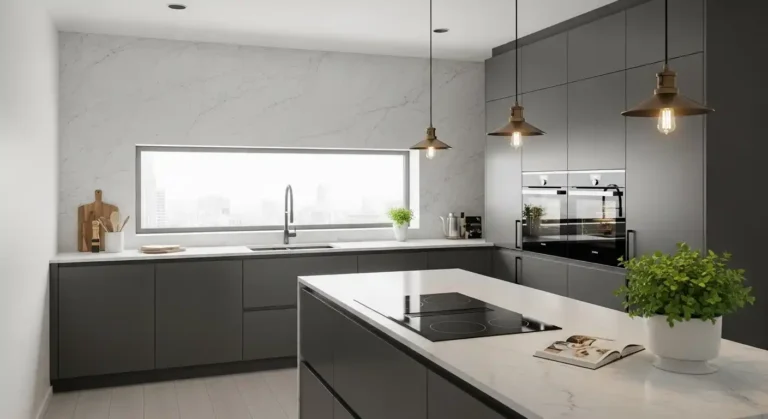

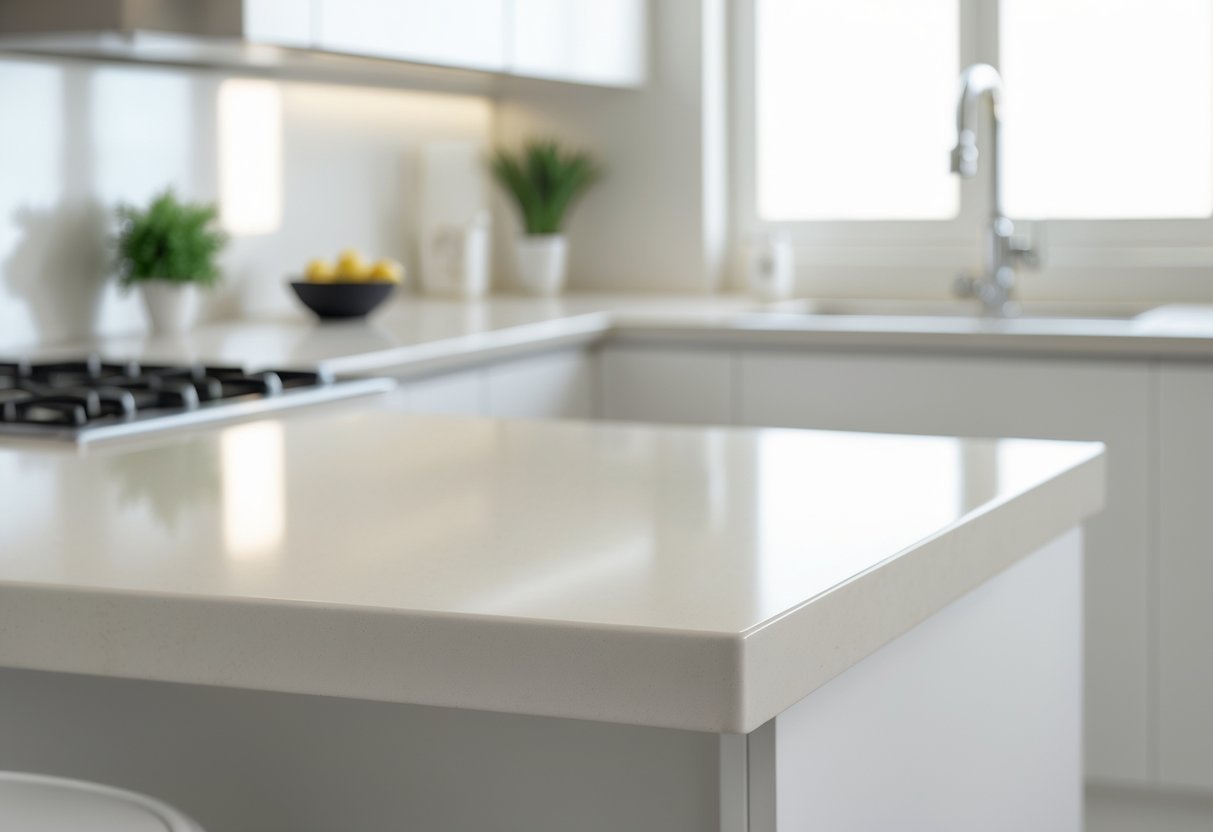
You want a kitchen that looks modern and works hard every day. I’ll show you practical porcelain countertop ideas that blend style, durability, and easy care so you can choose a look that fits your home and habits.
You’ll learn how different porcelain styles — from large-format seamless slabs to thin-profile surfaces, integrated sinks, matte finishes, and bold color pairings — can create a kitchen that feels both current and lasting.
I’ll also cover pairing porcelain with wood, lighting, and backsplashes plus simple maintenance tips so you know what to expect before you commit.
Contents
- Large-format porcelain slabs for seamless countertop surfaces
- Matte finish porcelain countertops for a modern understated look
- Porcelain countertops with integrated sinks for sleek design
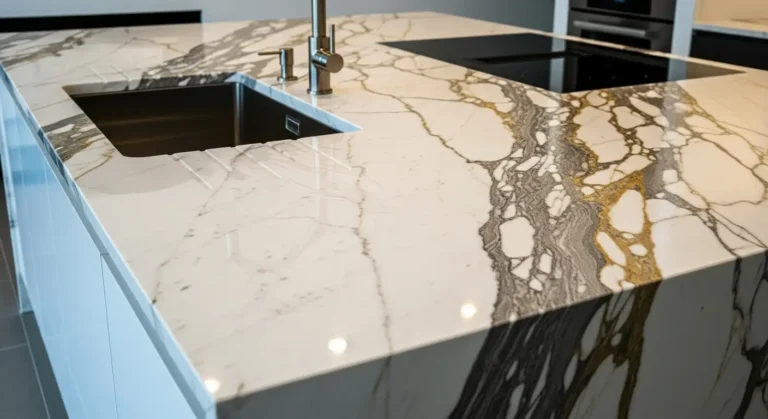
- Using Calacatta Extreme porcelain for marble-like elegance
- Bold black porcelain countertops paired with white cabinetry
- Porcelain tile countertops with subtle texture for depth
- Porcelain countertops combined with vibrant backsplash tiles
- Thin-profile porcelain slabs to maximize counter space
- Porcelain countertops with under-counter LED lighting accents
- Mixing porcelain countertops with wood accents for warmth
- Benefits of Porcelain Countertops
- Maintenance and Care Tips
Large-format porcelain slabs for seamless countertop surfaces
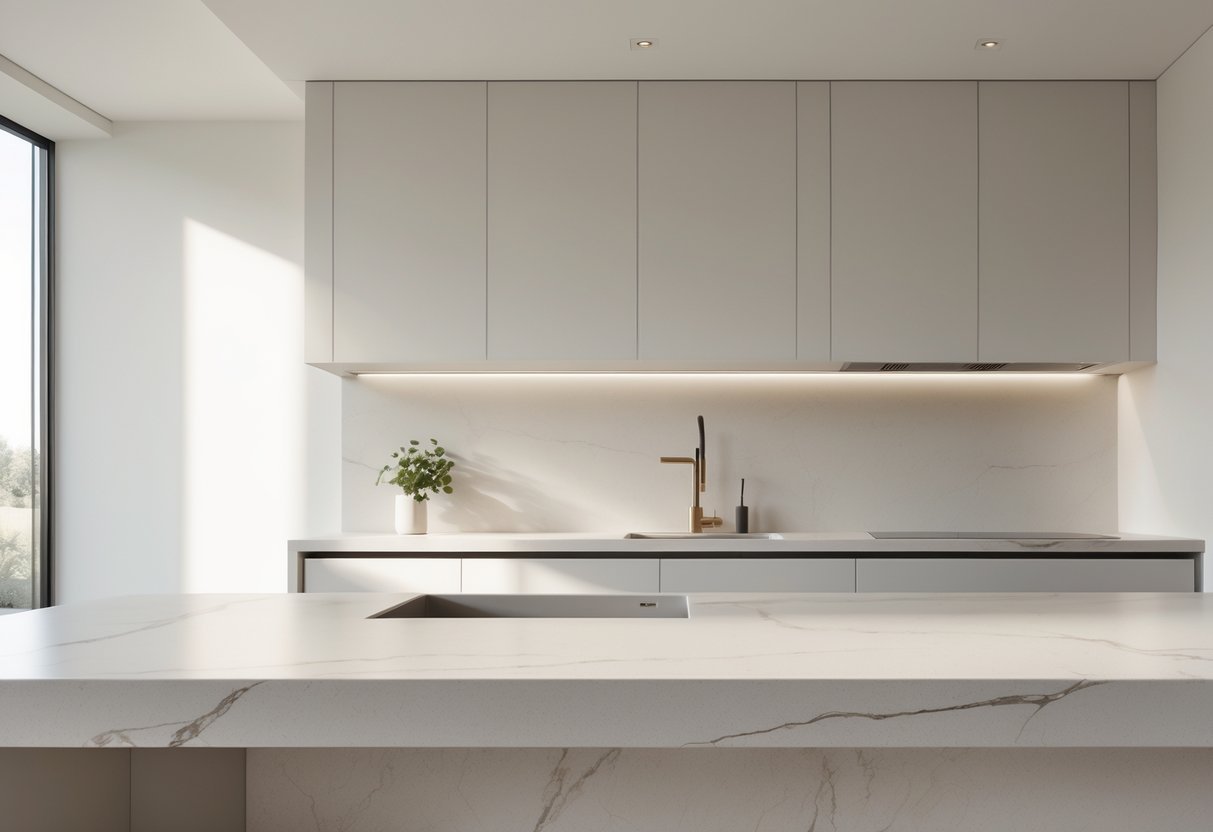
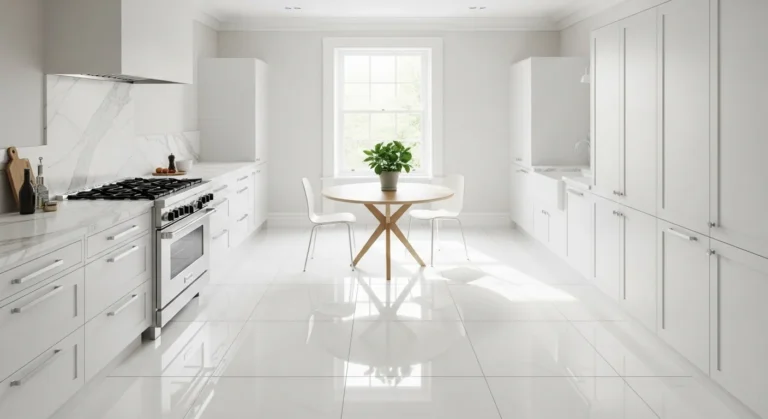
I choose large-format porcelain slabs when I want few or no visible seams on a countertop.
Their big panels can span islands and run wall to wall, so joints stay minimal and the surface looks continuous.
I like that they resist stains, scratches, and heat better than many materials.
They also come in marble, concrete, and solid colors, so I can match many kitchen styles.
Matte finish porcelain countertops for a modern understated look

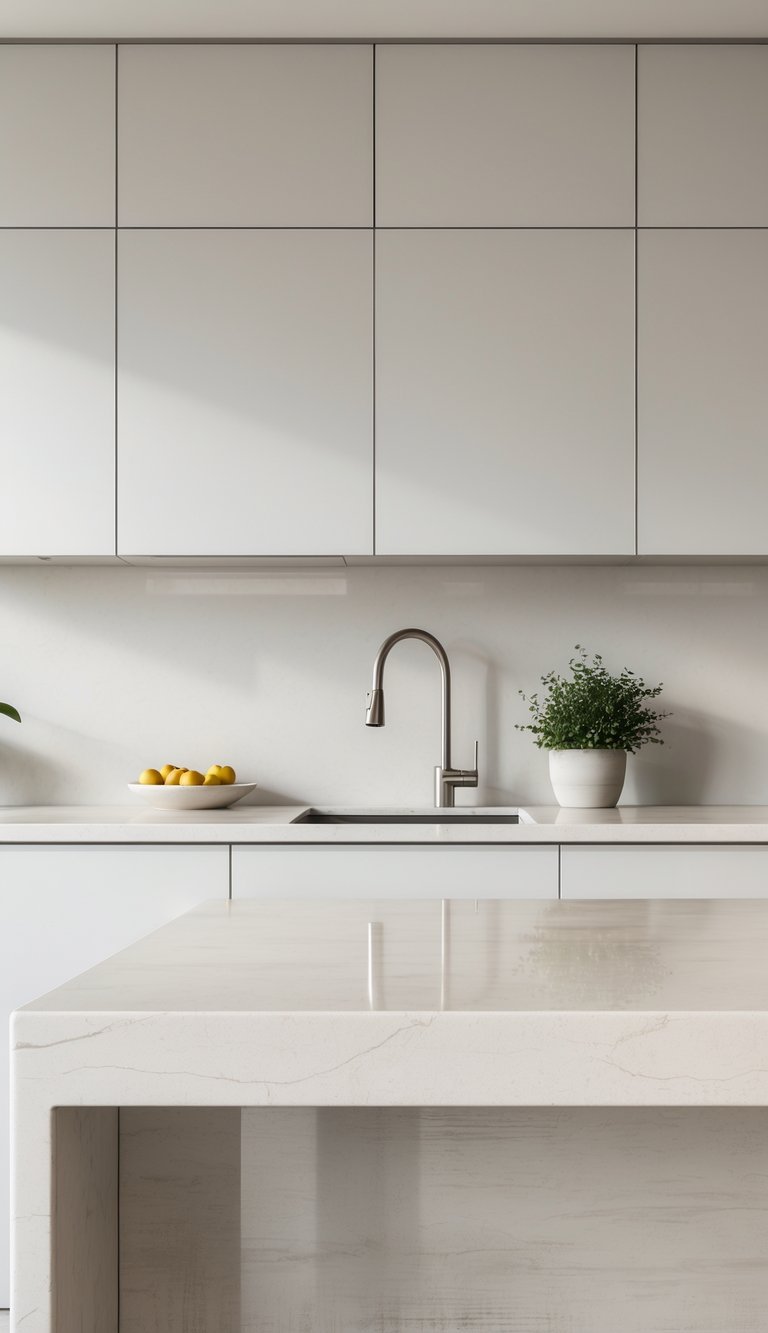
I prefer matte porcelain for kitchens when I want a calm, modern feel.
The low-sheen surface cuts glare and hides fingerprints, so it stays cleaner between wipes.
Matte porcelain still feels durable and resists scratches and stains.
Its soft texture pairs well with wood, metal, or bold tiles without stealing the show.
Porcelain countertops with integrated sinks for sleek design
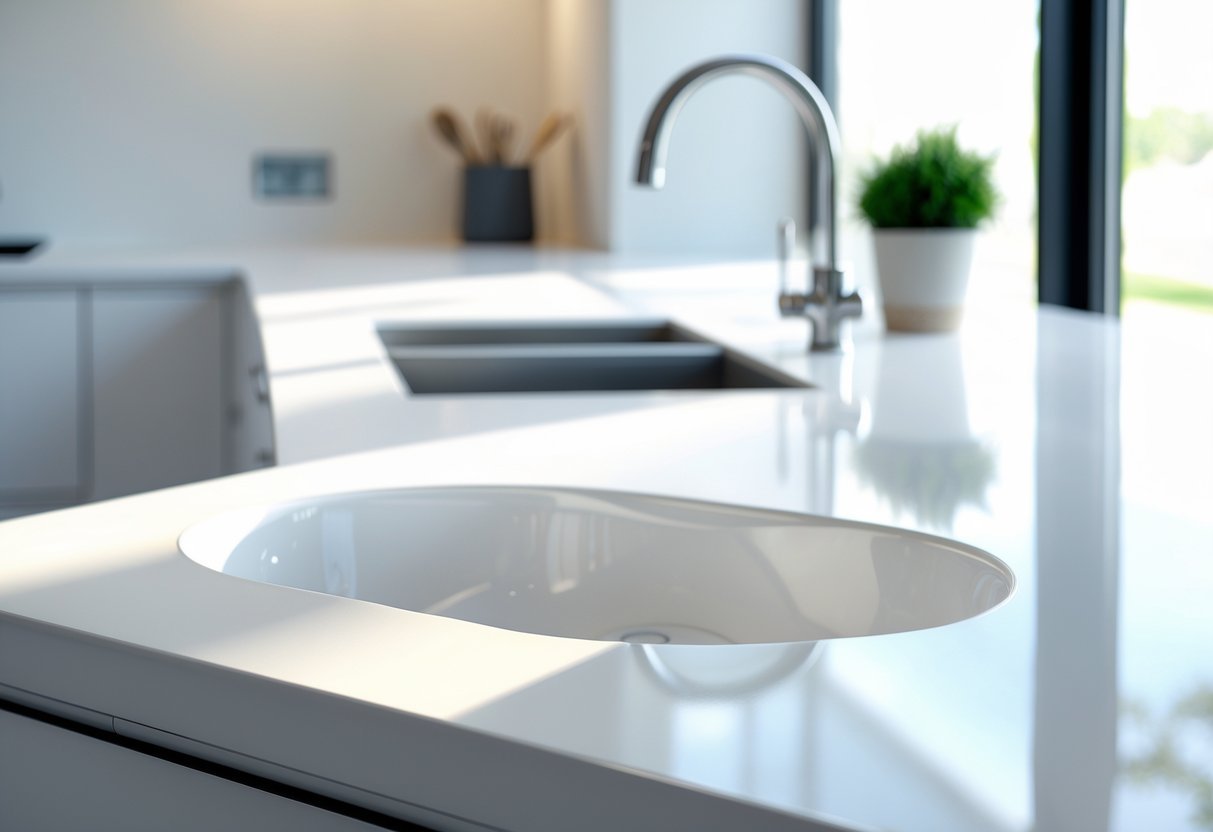
I like how porcelain lets me blend sink and countertop into one smooth surface.
The join-free look feels modern and makes cleaning faster.
I choose integrated sinks when I want a minimalist kitchen.
Porcelain resists stains and keeps a consistent color and texture across the whole top.
I find installation needs a skilled fabricator, but the result is a durable, seamless focal point that pairs well with simple hardware and matte finishes.
Using Calacatta Extreme porcelain for marble-like elegance
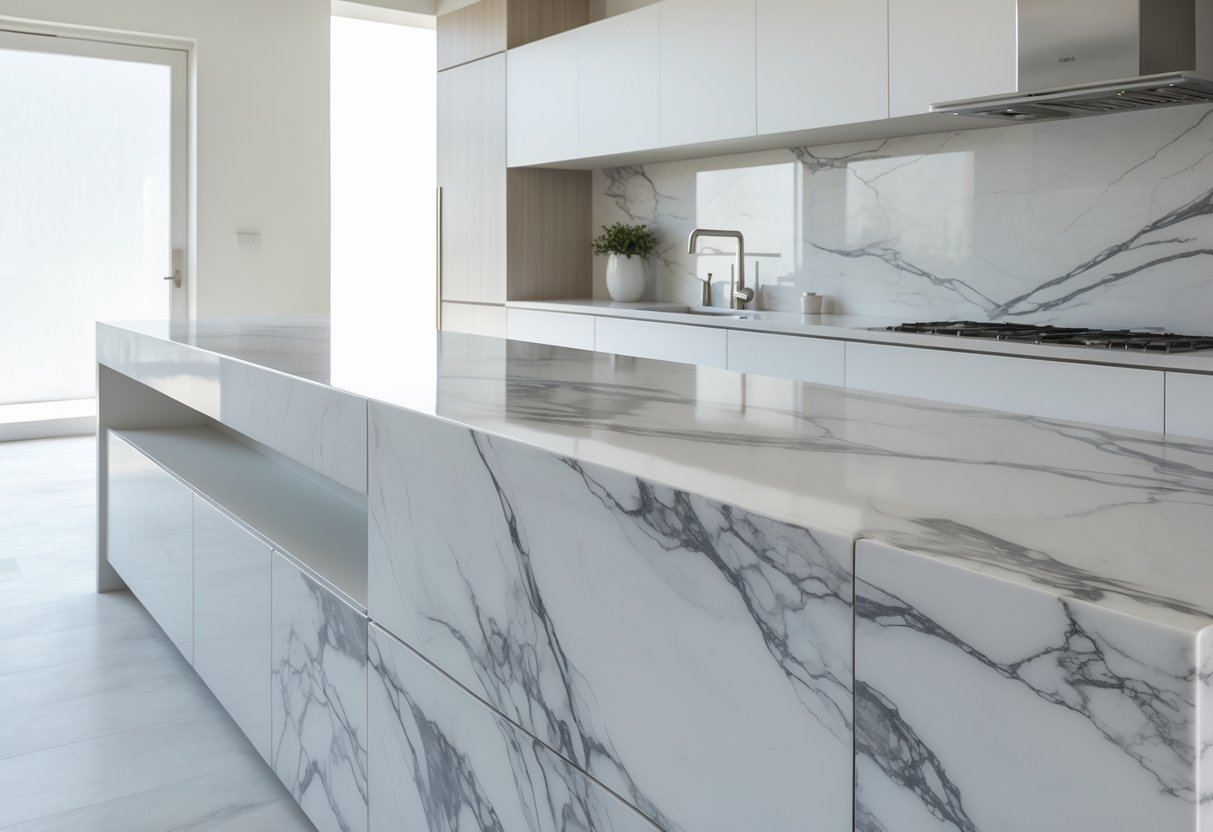
I choose Calacatta Extreme porcelain when I want the look of marble without the upkeep.
The slabs show strong white backgrounds and bold veining that mimic genuine Calacatta marble.
I install it on islands and countertops because it resists stains and scratches better than natural marble.
The result feels high-end and stays practical for daily kitchen use.
Bold black porcelain countertops paired with white cabinetry
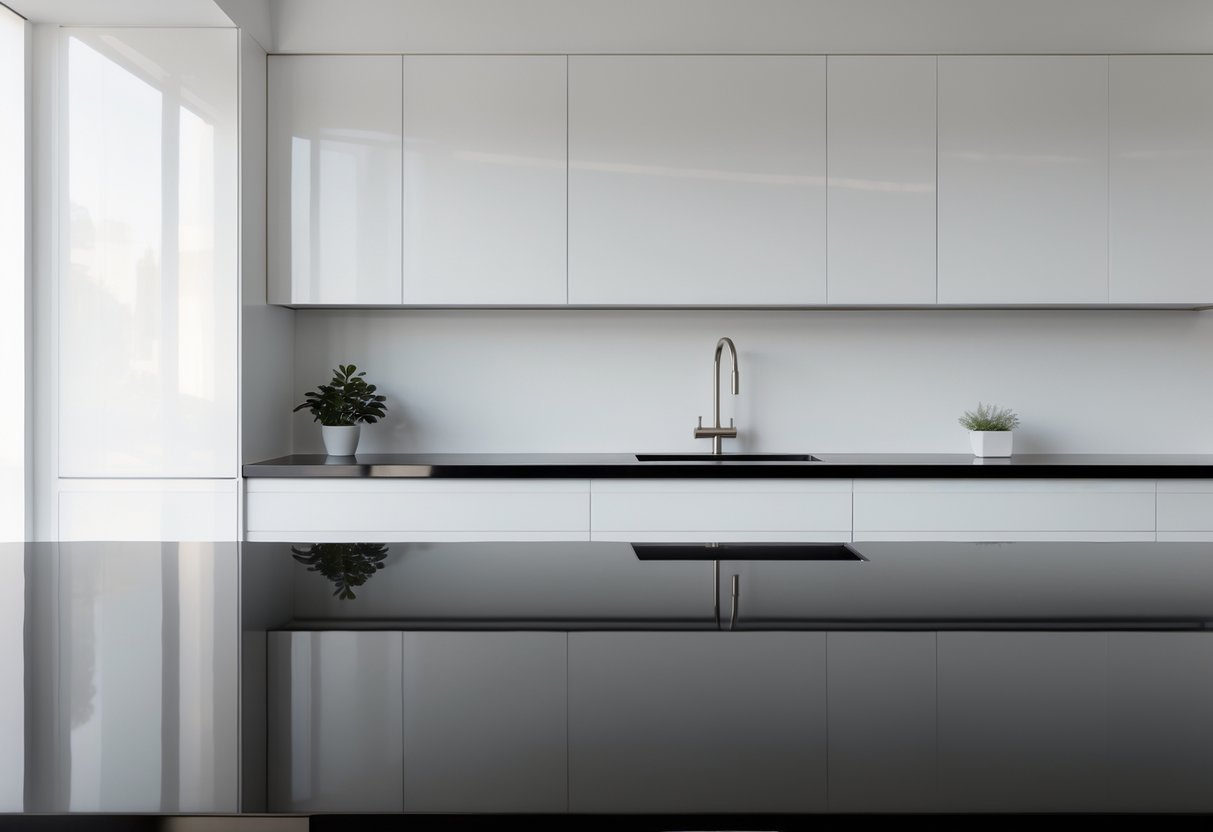
I like how black porcelain anchors a bright kitchen while keeping a clean, modern look.
The contrast with white cabinets creates clear lines and a calm, ordered feel.
I often choose matte or honed black porcelain for less glare and easier maintenance.
It resists stains and heat, which makes it practical for daily cooking.
Porcelain tile countertops with subtle texture for depth
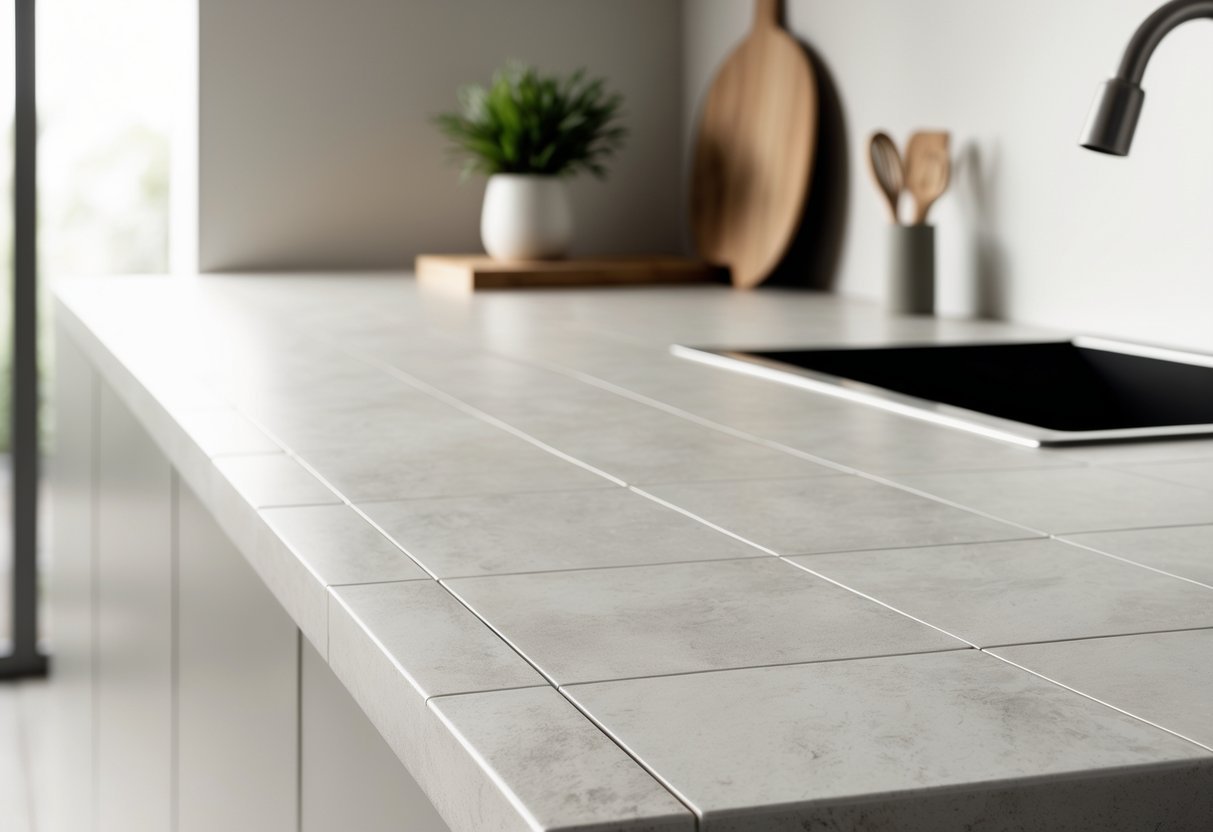
I choose porcelain tiles with a fine texture to add quiet depth without loud patterns.
The slight surface variation catches light and hides small marks, so the counter stays neat between cleanings.
I pair these tiles with simple grout lines to keep the look modern.
The result reads as a single plane with just enough texture to feel warm and lived-in.
Porcelain countertops combined with vibrant backsplash tiles

I pair sleek porcelain counters with bright backsplash tiles to add energy without clutter.
The porcelain stays low-maintenance and neutral while the tiles bring color and pattern.
I use bold glass or ceramic tiles behind stoves or sinks to create a focal point.
Small mosaics or large geometric tiles both work; I choose scale based on cabinet and room size.
Thin-profile porcelain slabs to maximize counter space
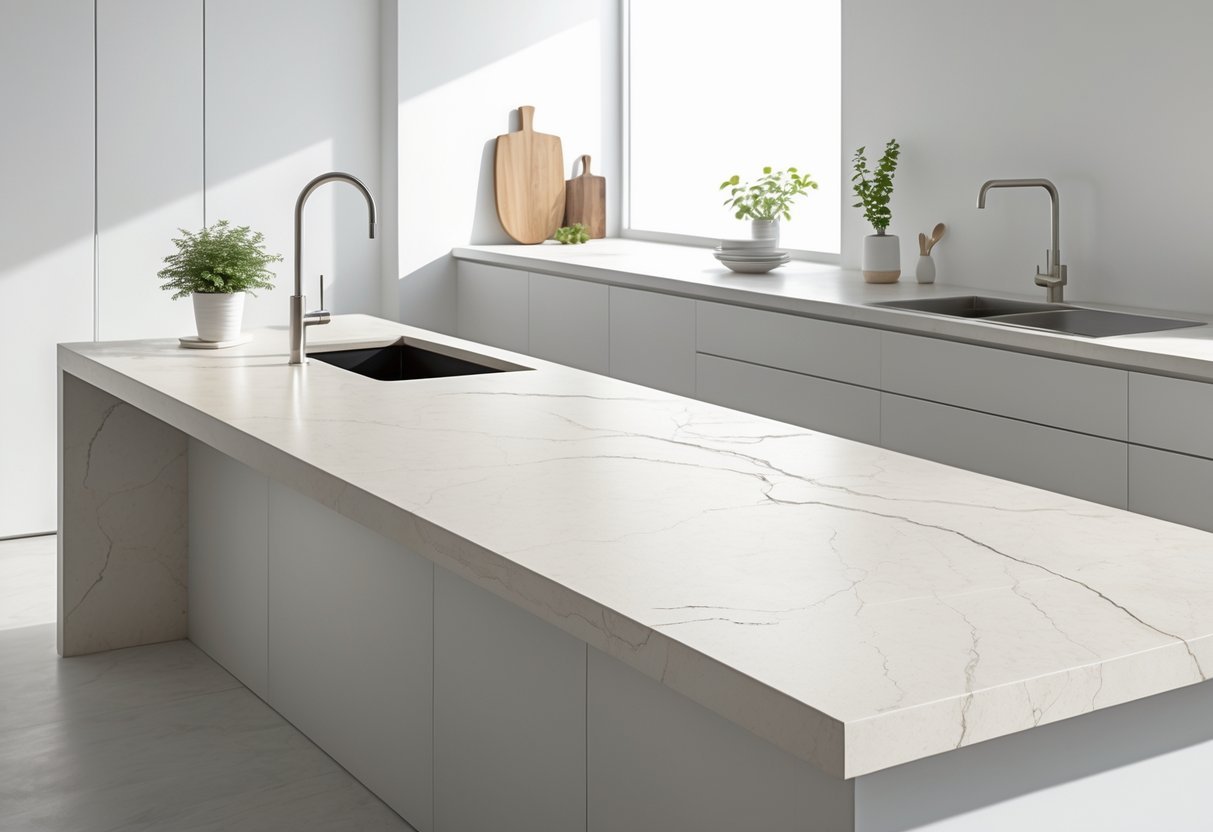
I choose thin-profile porcelain slabs when I want more usable counter area without bulky edges.
Their slim 6–12mm profiles keep surfaces sleek and open, ideal for small kitchens or islands.
I like how thin slabs let me create seamless backsplashes and waterfall edges that feel modern.
They stay strong for daily use, resist stains, and make cleaning quick and simple.
Porcelain countertops with under-counter LED lighting accents
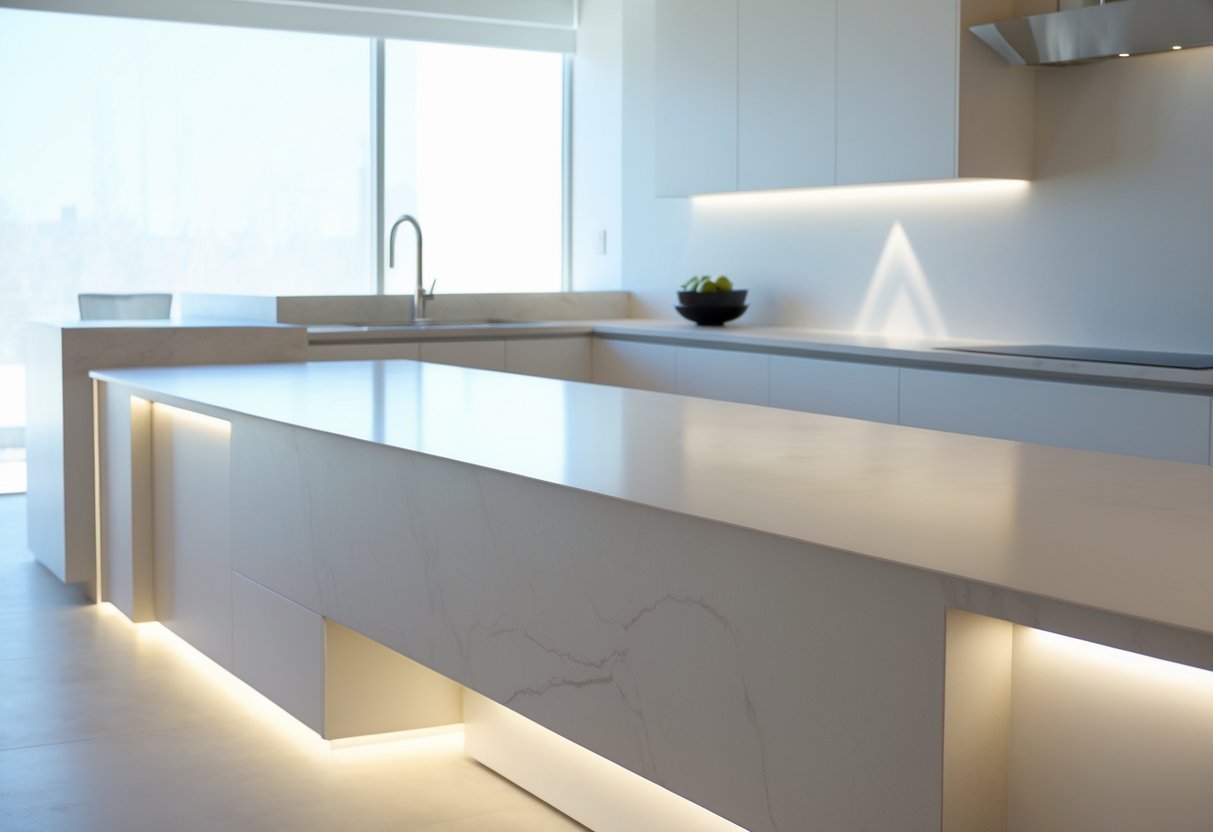
I use under-counter LED strips to highlight porcelain countertops and give kitchens clean lines.
The lights add task illumination and make the surface texture stand out without glare.
I choose warm or neutral white LEDs to keep colors true and avoid a clinical look.
Dimmable fixtures let me shift from bright prep light to soft ambient glow.
Mixing porcelain countertops with wood accents for warmth
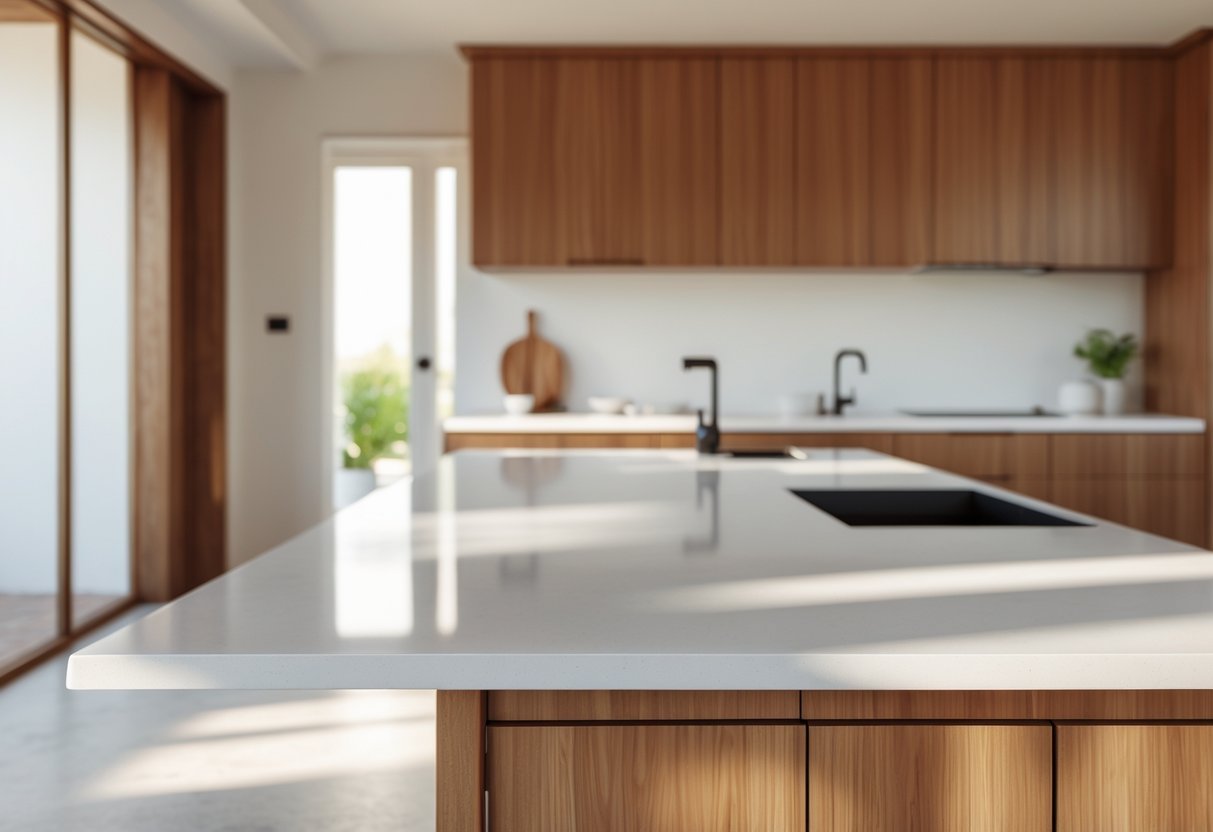
I pair sleek porcelain counters with wood accents to balance cool and warm tones.
The porcelain adds clean lines and easy care, while wood brings texture and a lived-in feel.
I often use wood on islands, open shelves, or cabinet faces to soften the room.
Small doses of wood keep the look modern without feeling cold.
Benefits of Porcelain Countertops
I focus on two main advantages homeowners care about: long-lasting performance in a busy kitchen and wide design choices that mimic premium stone without the upkeep.
Both make porcelain a practical option for modern kitchens.
Durability and Resistance
I find porcelain stands up well to everyday kitchen wear.
It resists heat from hot pans, so brief contact with a hot skillet is less likely to scorch the surface.
It also resists scratches and chips better than many natural stones when properly supported.
Porcelain is nonporous, so it won’t absorb liquids or stain from wine, coffee, or citrus juices the way some marbles do.
That makes cleaning easier: warm water, mild detergent, and a soft cloth handle most messes.
Keep in mind installation matters.
Porcelain slabs can be thin and brittle at cut edges, so they need a strong substrate and careful handling during templating and fitting to avoid breakage.
Design Versatility
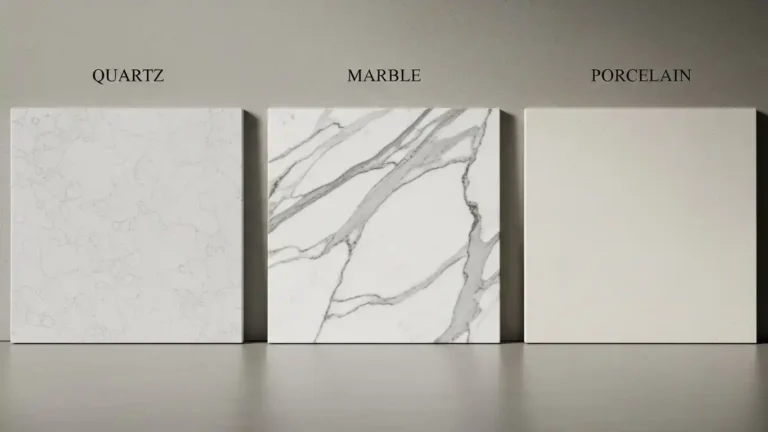
I appreciate how porcelain can match the look of marble, concrete, or metal while staying low-maintenance.
Manufacturers print realistic veining and textures, so you can get a high-end appearance without natural stone’s porosity.
Porcelain comes in large-format slabs that allow for long, continuous runs and minimal seams.
That benefits islands and waterfall edges where a clean, uninterrupted look matters.
Color and finish choices range from matte to polished, and some surfaces mimic honed stone for a softer feel.
That variety helps me pair the countertop with different cabinet styles and backsplash materials.
Maintenance and Care Tips
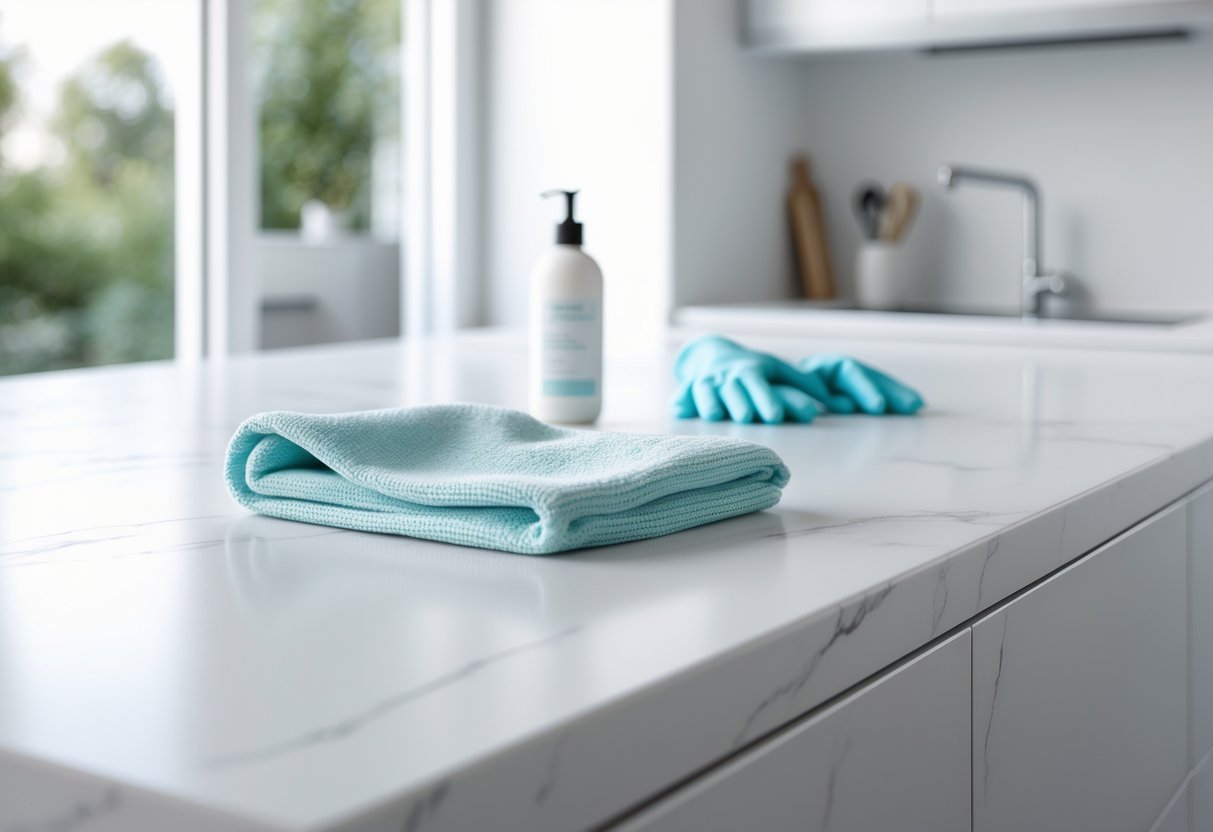
I keep my porcelain countertops looking new by cleaning spills quickly and avoiding sharp impacts.
I focus on simple daily care and a few smart habits to prevent stains and scratches.
Cleaning Techniques
I clean daily with a soft cloth and warm water to get rid of crumbs and spills. For routine cleaning, I mix a few drops of mild dish soap with water and wipe in a circular motion.
After that, I dry everything with a microfiber cloth so I don’t get water spots. It’s a simple routine, but it works.
If there’s stuck-on food, I reach for a plastic scraper or a non-abrasive sponge. I steer clear of steel wool, scouring powders, and harsh bleach-based cleaners—they just end up dulling the surface.
When I’m dealing with grease or oil, I spray on a gentle, pH-neutral cleaner and let it sit for a minute or two before wiping it away. That usually does the trick.
For deeper cleans, I go with a 50/50 water and white vinegar solution, but only on matte finishes and I use it sparingly. I always rinse right away.
If I try a new cleaner, I test it on an out-of-the-way spot first. I never use sealants unless the manufacturer specifically says it’s okay.
Preventing Stains and Scratches
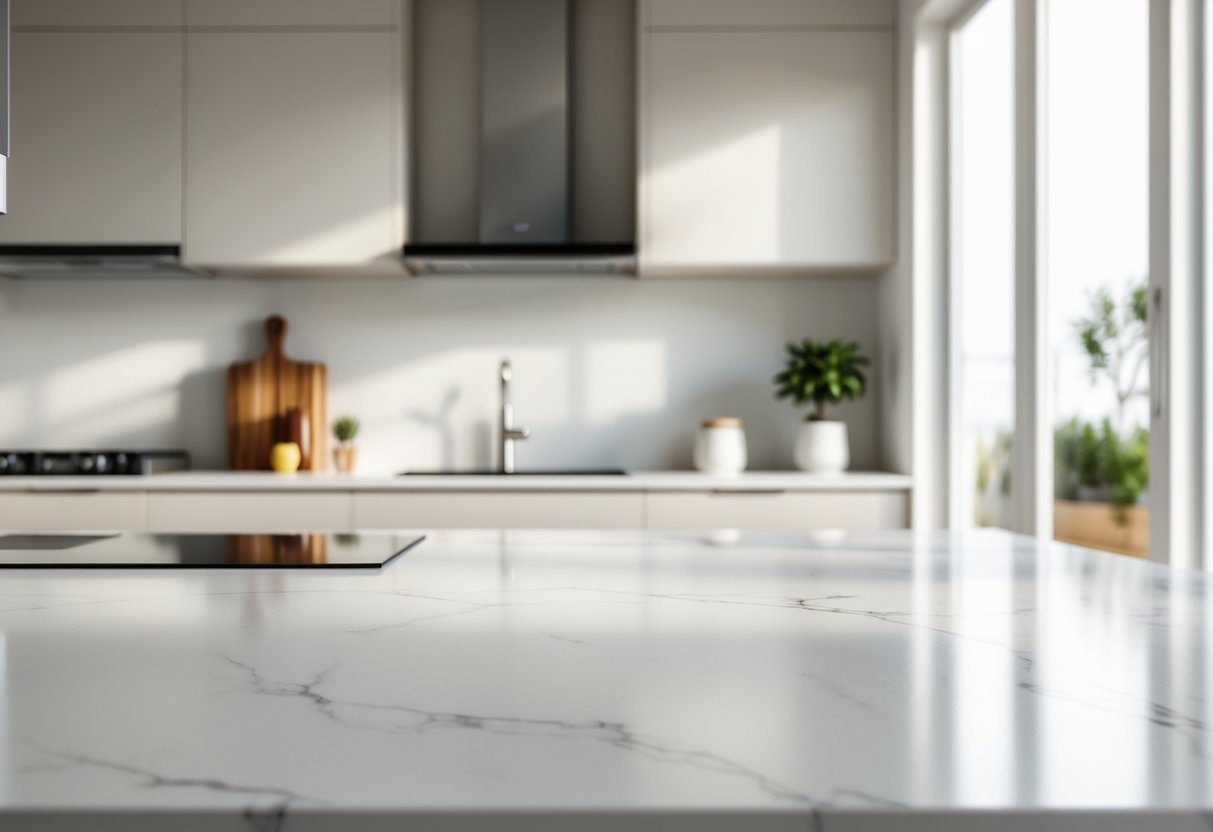
I always put hot pans on trivets or heat pads. Porcelain can handle heat, but if you hit it with something super hot out of nowhere, it might crack or discolor.
Cutting boards are a must for me—knives not only get dull fast on porcelain, but they can also leave those annoying little scratches.
If I spill wine, coffee, or tomato sauce, I try to wipe it up right away. When a stain manages to set in, I mix up a quick paste with baking soda and water, rub it on gently with a soft cloth, then rinse it off.
I avoid any cleaners with dyes. They just seem risky for porcelain.
I use soft coasters and mats to protect the edges and spots that get a lot of action. With heavy stuff, I always lift instead of dragging—no need to tempt fate.
Every so often, I check the seams and joints and tighten anything that’s gotten loose. That helps keep the edges from chipping.