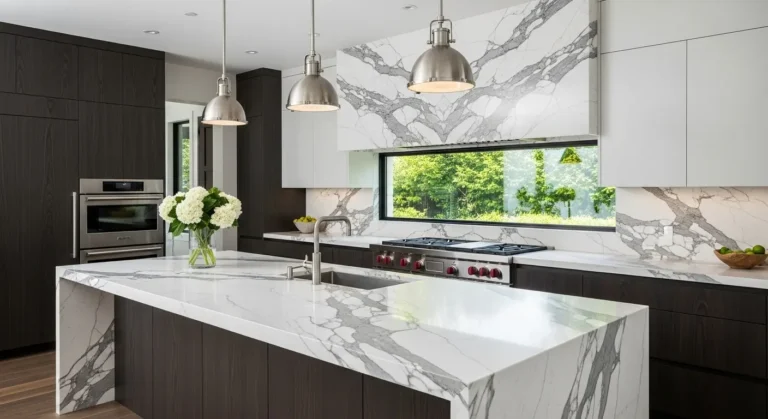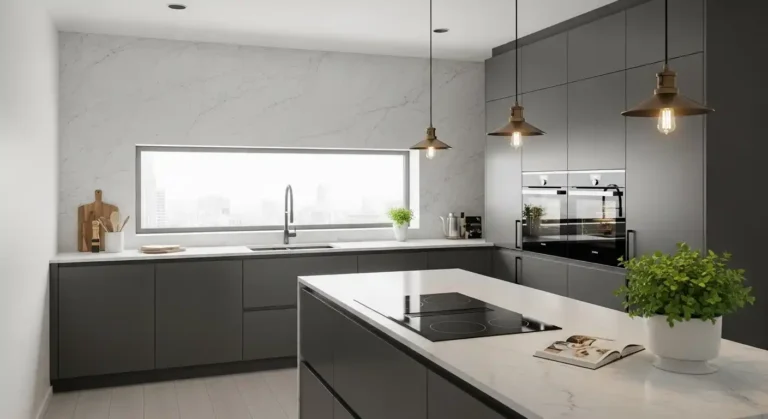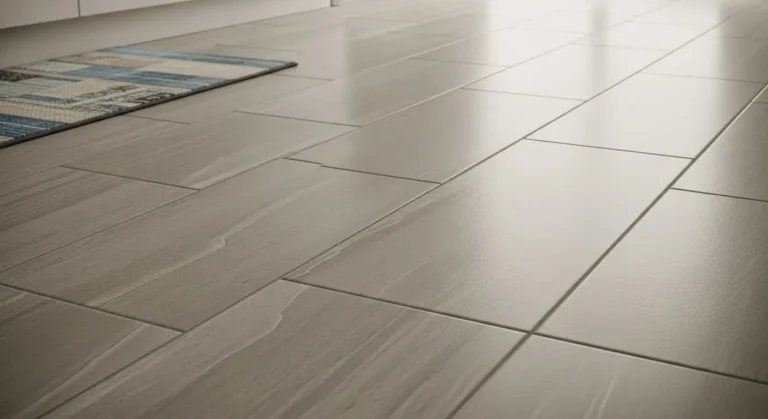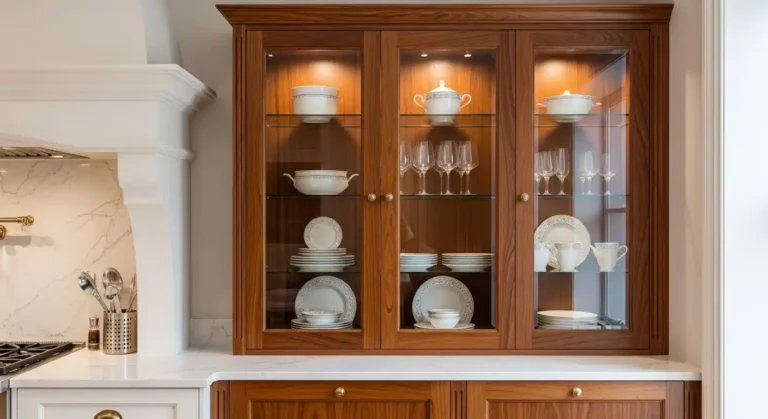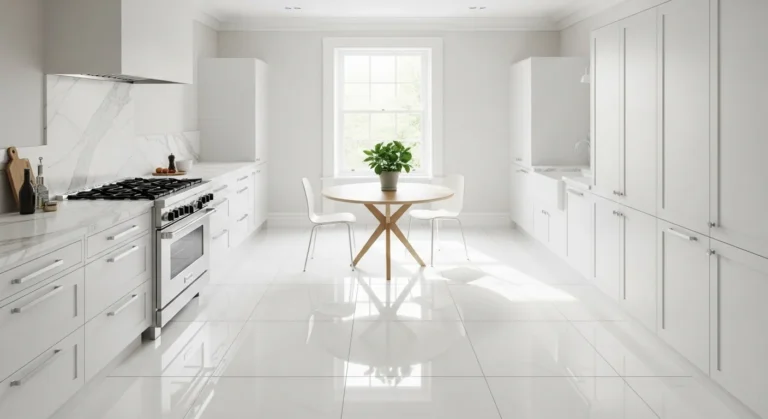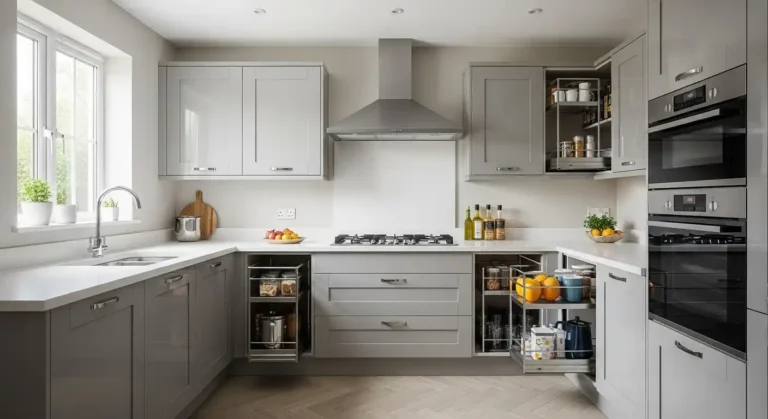

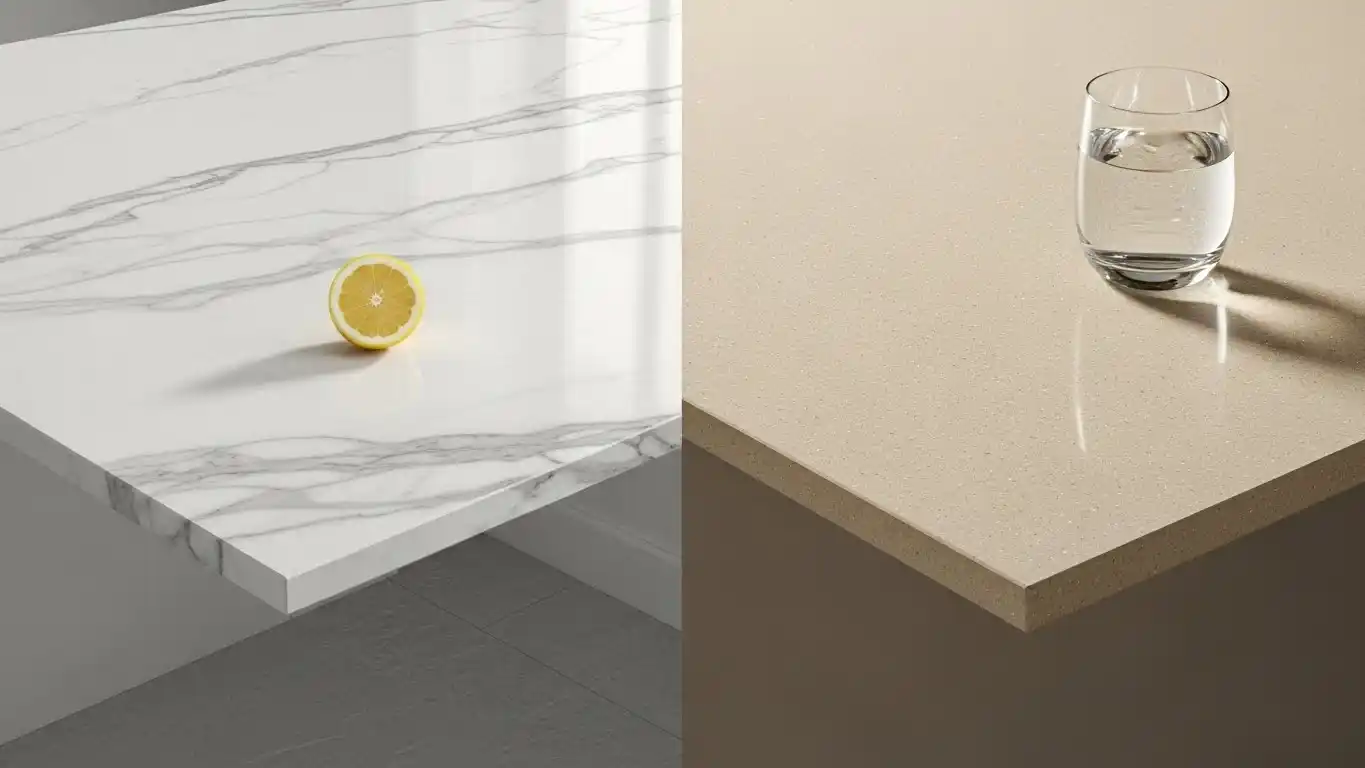
When it comes to selecting countertop materials for your kitchen or bathroom, the decision between porcelain and quartz has become increasingly common.
Both materials have gained significant popularity in recent years, and both offer distinct advantages for homeowners seeking durable, attractive surfaces.
However, when you dig deeper into the specifics of each material, porcelain vs. quartz reveals some compelling reasons why porcelain might be the superior choice for your home.
In this comprehensive guide, we’ll explore five key reasons why porcelain countertops stand out as the better option for discerning homeowners.
Contents
Understanding the Materials
Before diving into the specific advantages, it’s important to understand what distinguishes these two materials.
Porcelain is a ceramic material created by firing clay and other raw materials at extremely high temperatures, resulting in a dense, non-porous surface.
Quartz, on the other hand, is an engineered stone composed of approximately 90% natural quartz crystal combined with resin binders and pigments to create a uniform, durable surface.
Both materials have their merits, but porcelain possesses certain characteristics that give it a significant edge in several critical areas.
Let’s explore the five primary reasons why porcelain emerges as the winner in this countertop comparison.
1. Superior Heat Resistance
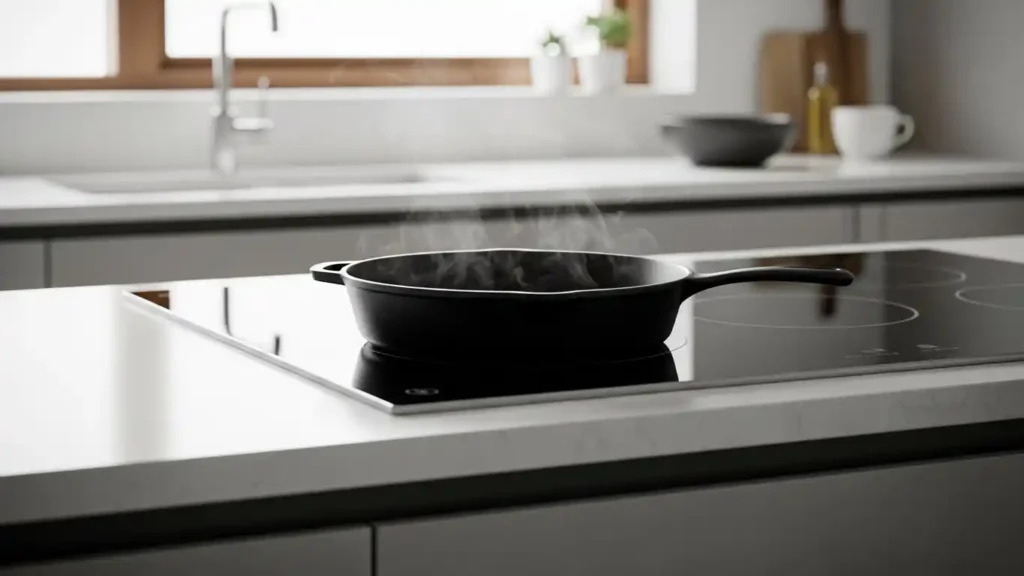
The first major advantage of porcelain countertops is their exceptional heat resistance.
Porcelain can withstand temperatures significantly higher than quartz without sustaining damage.
Due to its ceramic composition and the extreme temperatures used in its manufacturing process, porcelain countertops can handle brief contact with temperatures exceeding 400°F.
Quartz, conversely, begins to degrade when exposed to temperatures above 150°F consistently or above 300°F in brief exposures.
The resin binders that hold quartz together can soften, discolor, or become damaged when subjected to prolonged heat exposure.
This means that in a busy kitchen where hot cookware regularly comes in contact with the countertop surface, porcelain provides superior protection and longevity.
This heat resistance advantage makes porcelain particularly appealing for active kitchens where cooking is a regular activity.
While trivets should always be used regardless of material choice, the added margin of safety that porcelain provides offers peace of mind.
Quartz, while marketed as durable, simply cannot compete with porcelain’s ability to withstand kitchen heat without potential degradation.
2. Scratch Resistance
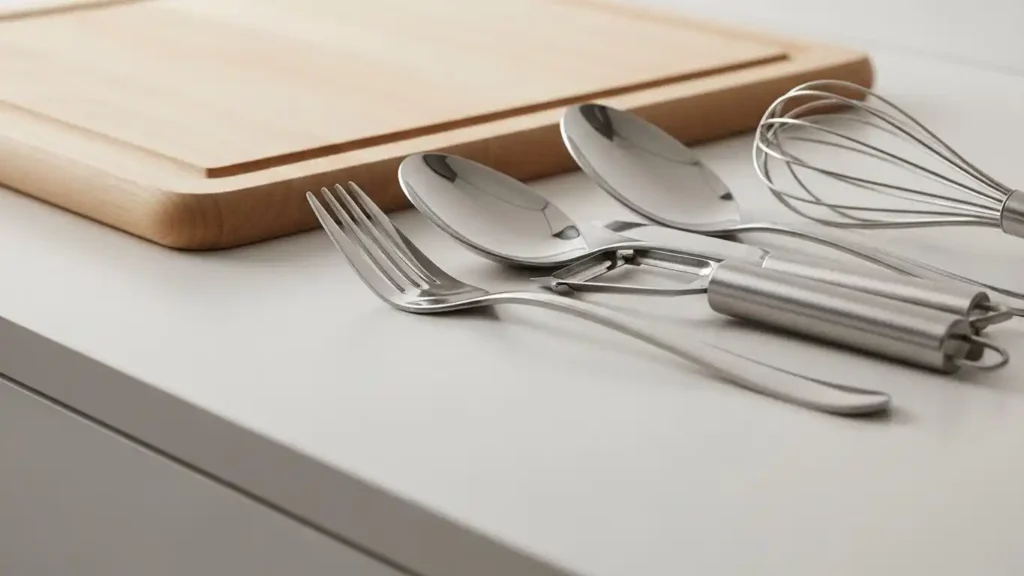
Porcelain’s hardness is one of its most impressive characteristics.
On the Mohs hardness scale, porcelain ranks extremely high due to its dense crystalline structure created during the firing process.
This makes porcelain countertops exceptionally resistant to scratching from knives, utensils, and other daily kitchen wear and tear.
While quartz is also quite hard and scratch-resistant, it doesn’t quite match porcelain’s durability in this regard.
The resin binders in quartz can be slightly more susceptible to superficial scratches than porcelain’s ceramic surface.
Over years of use, quartz countertops may show subtle wear patterns that become visible under certain lighting conditions, whereas porcelain maintains its pristine appearance far longer under identical conditions.
For households with children, busy cooking schedules, or simply those who want countertops that will maintain their like-new appearance for decades, porcelain’s superior scratch resistance makes it the more practical choice.
You won’t need to worry as much about the surface being marred by everyday kitchen activities.
3. Superior Stain Resistance and Porosity

Both materials are non-porous, but porcelain takes non-porosity to an entirely new level.
During the manufacturing process, porcelain is fired at such extreme temperatures that it becomes essentially impermeable.
This means liquids, oils, wines, and other potential staining substances cannot penetrate the surface at all.
Quartz, while also marketed as non-porous, technically relies on its resin binders to prevent liquid absorption.
Over time and with exposure to certain aggressive chemicals or prolonged liquid contact, the resin can potentially allow minimal absorption or become compromised.
This is particularly true in areas where the quartz surface has been damaged or where seams exist.
Porcelain’s superior stain resistance means you can confidently place a glass of red wine or olive oil on the surface without fear, even if it sits there for extended periods.
The material simply won’t absorb or discolor. This peace of mind is invaluable, especially for those with busy households or who frequently entertain guests.
4. Longer Lifespan and Better Value
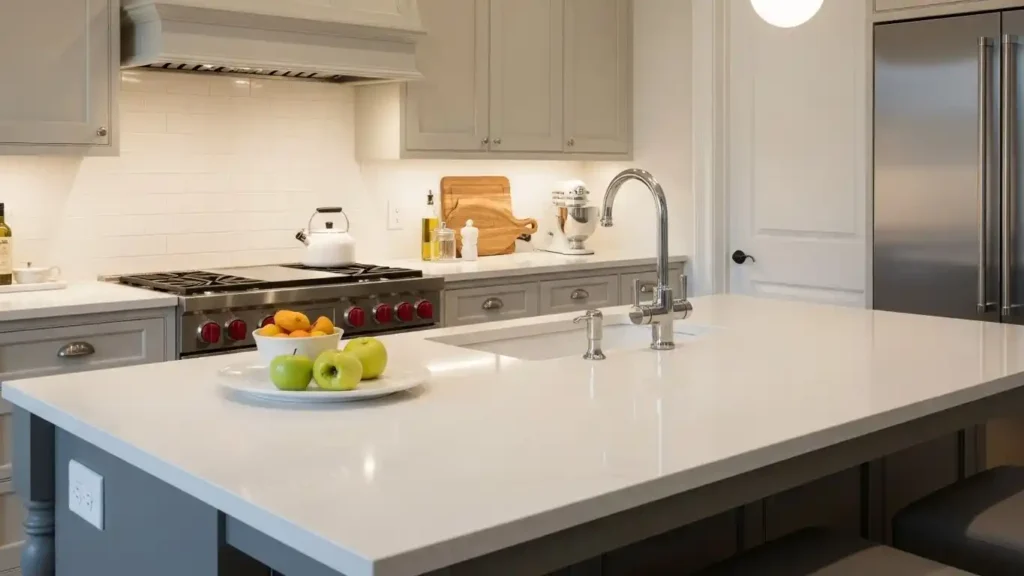
When considering the long-term investment in countertops, porcelain’s durability translates into an extended lifespan that often exceeds that of quartz.
While quartz countertops typically last 15-25 years with proper care, porcelain can easily last 30+ years or longer without significant degradation.
The ceramic material doesn’t deteriorate in the same way that resin-based products do.
Furthermore, porcelain doesn’t require the periodic maintenance that quartz sometimes demands.
While both materials are relatively low-maintenance compared to natural stone, quartz occasionally needs resealing in areas where the surface has become worn, and the resin can gradually yellow or discolor over decades of sun exposure.
Porcelain’s superior longevity means that while the initial cost might be comparable to or slightly higher than quartz, the cost-per-year of ownership is actually lower.
You’re investing in a surface that will retain its beauty and functionality for significantly longer, providing better overall value for your investment.
For homeowners planning to stay in their homes for the long term, porcelain represents the smarter financial choice.
5. Greater Design Versatility and Aesthetic Appeal
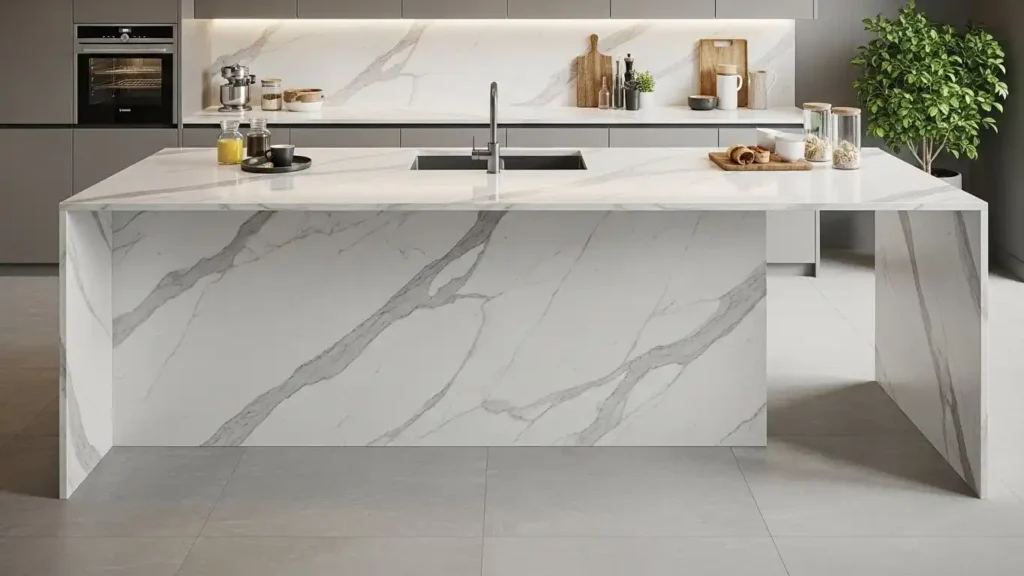
Finally, porcelain offers superior design flexibility and visual appeal compared to quartz.
Modern porcelain manufacturing techniques allow for incredibly realistic reproductions of natural stone, wood, concrete, and other materials.
The color palette for porcelain is virtually unlimited, and the surface finishes range from polished and matte to textured and patterned.
Additionally, large-format porcelain slabs create fewer seams and a more seamless, cohesive aesthetic.
The visual impact of minimal seams cannot be overstated—it creates a more sophisticated, integrated look that many designers and homeowners prefer.
Quartz, while attractive, tends to have a more uniform, manufactured appearance.
The limited size of individual slabs means more visible seams, which some homeowners find less aesthetically pleasing.
While quartz does offer color variety, the patterns tend to be more consistent and less naturally varied than porcelain options.
Installation and Professional Considerations
It’s worth noting that both materials require professional installation for best results.
However, porcelain’s superior hardness means it requires experienced installers with specialized tools, which underscores its premium quality.
The fact that professional installation is essential speaks to porcelain’s sophisticated engineering and durability.
Conclusion
When weighing the decision of porcelain vs. quartz, porcelain emerges as the superior choice for homeowners seeking the best combination of durability, aesthetics, and long-term value.
Its exceptional heat and scratch resistance, superior stain protection, extended lifespan, and design versatility make it the ideal choice for discerning homeowners willing to invest in quality countertops.
While quartz certainly has its merits and represents an excellent option for those with specific preferences or budget constraints, porcelain’s advantages in nearly every critical area make it the clear winner.
Whether you’re planning a kitchen renovation or bathroom upgrade, choosing porcelain countertops means investing in surfaces that will maintain their beauty, functionality, and integrity for decades to come.
For those seeking the ultimate in countertop performance and longevity, porcelain is unquestionably the superior choice.