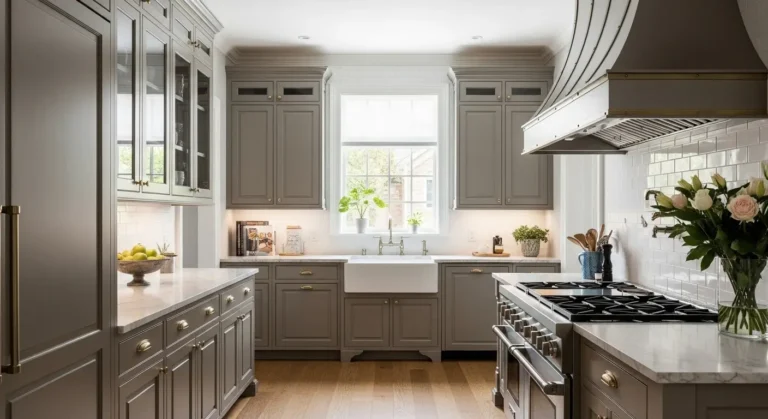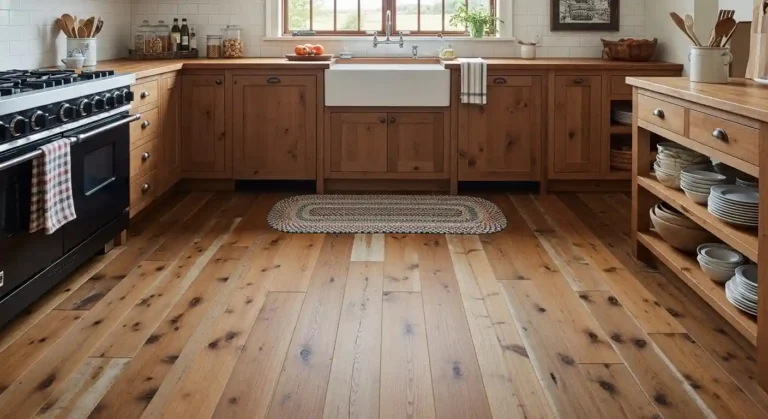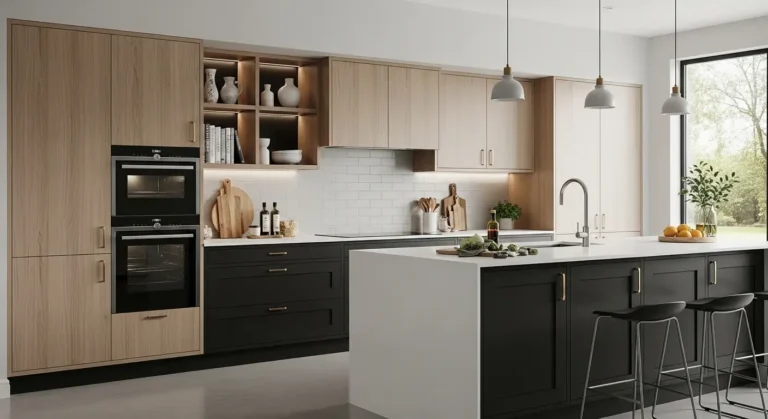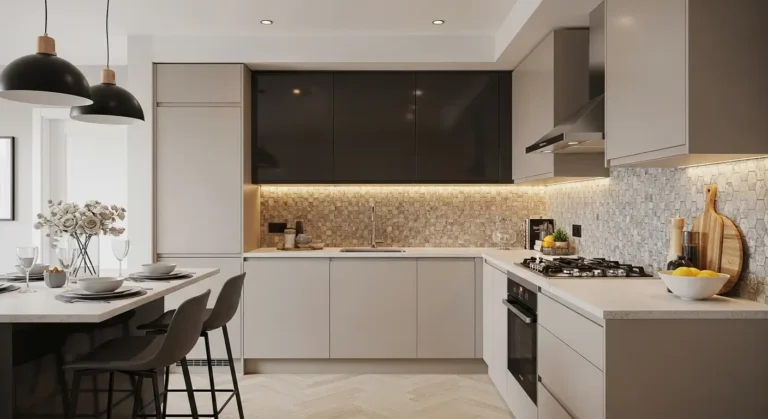

For many homeowners, the basement is a place for storage, laundry, or perhaps a home theater.
However, a growing trend in home design is the revival of a classic concept: the summer kitchen.
When people first hear the term, they often ask, what is a summer kitchen in basement?
Historically, these were secondary kitchens used during the hottest months of the year to keep the main house cool.
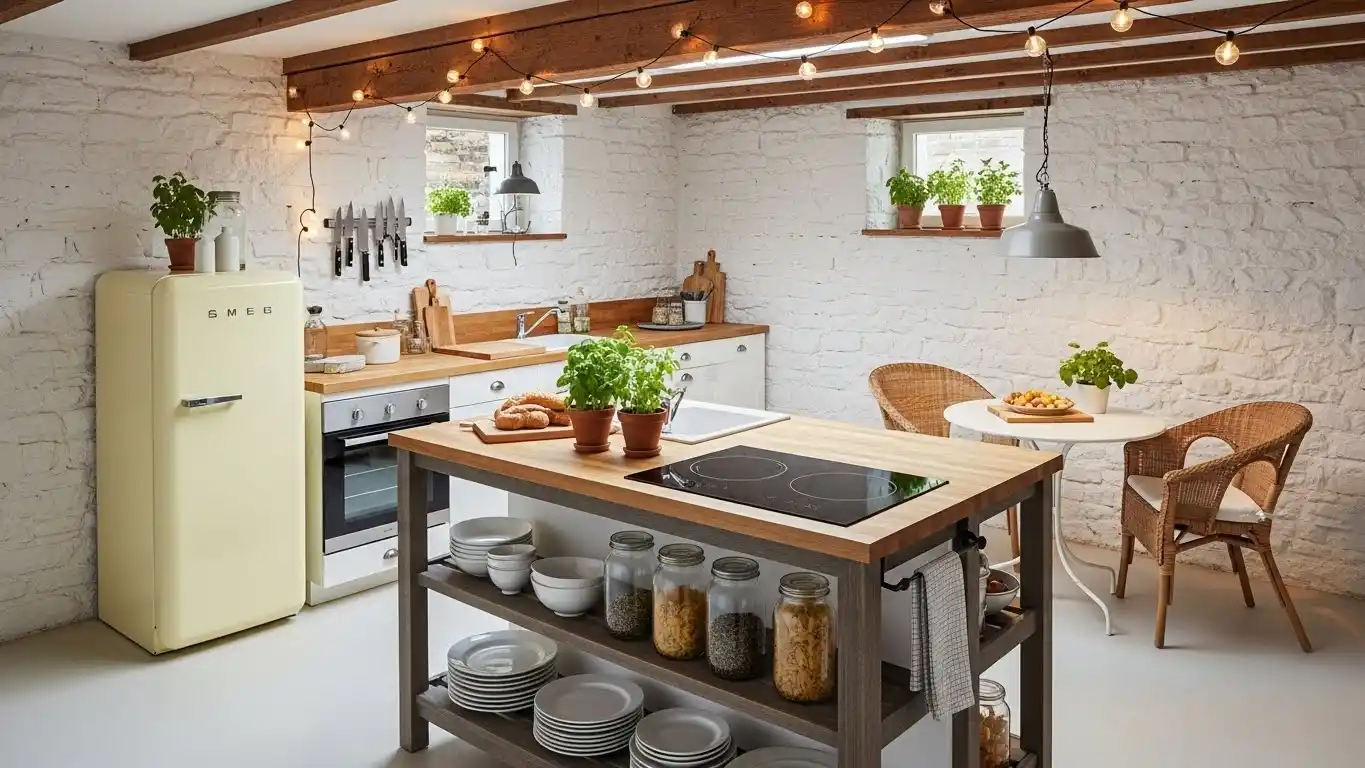
Today, the summer kitchen in basement has evolved into a high-end amenity.
It combines historical practicality with modern luxury, providing a cool retreat for cooking, preserving food, and entertaining guests without overtaxing your home’s air conditioning.
Contents
- The Historical Roots of Summer Kitchens
- Why Homeowners are Choosing a Summer Kitchen in Basement
- Key Features: What is a Summer Kitchen in Basement vs. a Kitchenette?
- The Role of the Island in a Summer Kitchen
- Canning, Preserving, and Heavy-Duty Cooking
- Overcoming the Darkness: Lighting Your Space
- Plumbing Requirements for a Basement Kitchen
- The Importance of Proper Ventilation
- Budgeting for Your Summer Kitchen Project
- Does a Summer Kitchen Add Real Estate Value?
- Entertaining and Social Benefits
- Is a Basement Summer Kitchen Right for You?
- Final Thoughts
The Historical Roots of Summer Kitchens
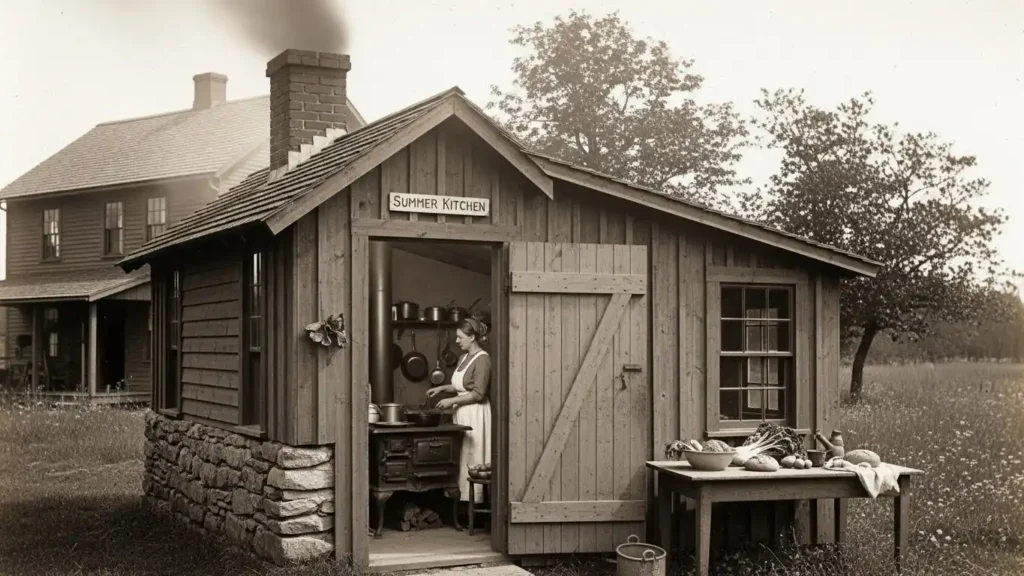
In the era before modern HVAC systems, cooking was a major source of heat that could make a home unbearable during July and August.
Traditional summer kitchens were often separate buildings located a few yards away from the main house.
As architectural styles changed, these spaces moved indoors but shifted to the lowest level of the home.
By placing the kitchen in the basement, homeowners could take advantage of the earth’s natural insulation.
This subterranean location kept the heat of the stove away from the bedrooms and primary living areas.
It was a functional necessity that has now become a sought-after feature for those who love to cook and host.
Why Homeowners are Choosing a Summer Kitchen in Basement
The primary appeal of a summer kitchen in basement is temperature regulation.
Basements are naturally cooler than the rest of the house, often staying ten to fifteen degrees lower than the upper floors.
When you are boiling large pots of water for pasta or roasting a turkey, that heat stays trapped downstairs.
This prevents your main floor thermostat from spiking and saves you money on energy bills.
Beyond the temperature, these spaces offer a “mess-friendly” zone.
If you are processing a large harvest from your garden, you can keep the peels, seeds, and steam confined to the basement, leaving your primary kitchen pristine for daily life.
Key Features: What is a Summer Kitchen in Basement vs. a Kitchenette?
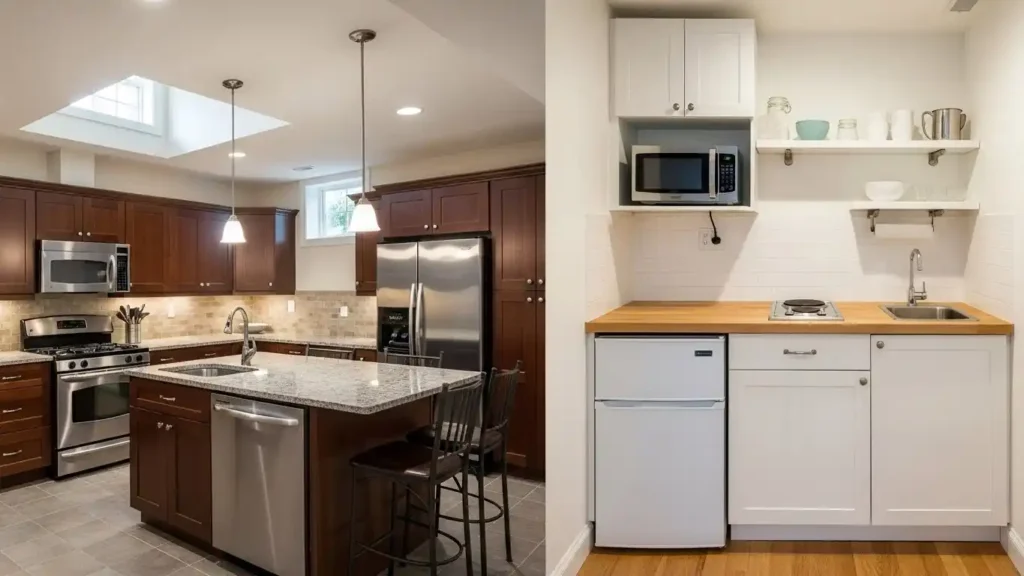
While the terms are often used interchangeably, there is a distinct difference in scale.
A kitchenette is typically a small area with a mini-fridge and a microwave, designed for snacks.
In contrast, a true summer kitchen is a fully functional workspace.
It usually features a full-sized range, a large sink, and ample counter space for food preparation.
When planning your basement kitchenette design, you should decide if you want a simple snack bar or a heavy-duty summer kitchen.
The latter requires more robust appliances and a layout that facilitates actual meal production rather than just reheating.
The Role of the Island in a Summer Kitchen
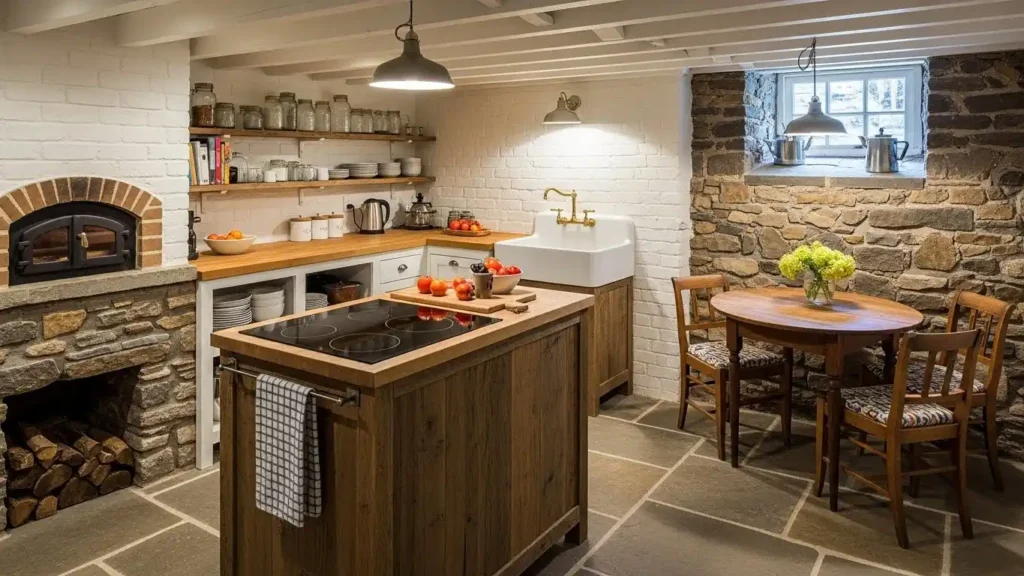
A central feature of many modern basement renovations is the inclusion of an island.
This serves as the heart of the room, providing a place for prep work and casual dining.
A basement kitchenette with island is particularly useful in a summer kitchen.
It allows the cook to interact with guests while chopping vegetables or assembling dishes.
Islands also provide essential extra storage.
In a basement, where wall space might be limited by small windows or utility panels, the island offers a way to house pots, pans, and specialized cooking equipment.
Canning, Preserving, and Heavy-Duty Cooking
One of the most traditional uses for a summer kitchen is food preservation. Canning is a hot, steamy, and often messy process that can take hours of stove time.
By moving this activity to the basement, you avoid turning your main kitchen into a sauna.
The durable surfaces typically found in these spaces are also easier to scrub down after a long day of jarring jams or pickles.
Because these kitchens are built for work, they often feature deeper sinks and industrial-grade faucets.
This makes cleaning large stockpots and roasting pans much more manageable than in a standard residential kitchen.
Overcoming the Darkness: Lighting Your Space
One of the biggest challenges with any basement project is the lack of natural light.
A kitchen that feels like a cave is not an inviting place to cook or spend time.
If you are worried about the atmosphere, you should learn how to brighten a dark kitchen without painting.
Using reflective backsplashes and high-gloss countertops can help bounce light around the room.
Under-cabinet LED strips and recessed ceiling lights are also essential.
Layered lighting ensures that your prep surfaces are well-lit, while accent lights can create a warm, cozy vibe for evening entertaining.
Plumbing Requirements for a Basement Kitchen
Before you can start picking out cabinets, you have to address the infrastructure. Bringing water and drainage to a lower level is a significant technical hurdle.
You will need to plumb a basement kitchen with careful attention to the main sewer line.
If your drain is higher than your sink, you may need a specialized ejector pump.
This part of the project is not the place to cut corners.
Ensuring that your pipes are correctly sloped and vented will prevent the odors and backups that can ruin a basement renovation.
The Importance of Proper Ventilation
Ventilation is perhaps the most critical component of a basement kitchen. Without a way to exhaust heat and steam, your “cool” summer kitchen will quickly become a damp, humid mess.
You must understand how to vent a basement kitchen to the exterior of the home. This usually involves running ductwork through the rim joist to the outside.
A high-quality range hood will pull grease and odors out of the air. This is especially important in a basement, where air can become stagnant much faster than on the upper floors of a home.
Budgeting for Your Summer Kitchen Project
The financial investment for a project of this scale can vary widely. It is important to look at the basement kitchenette cost before you get too deep into the planning phase.
Factors like plumbing, electrical upgrades, and high-end appliances will drive the price up. However, because it is a secondary kitchen, you can sometimes save money by choosing stock cabinets or durable laminate counters.
When you look at the average cost to remodel a kitchen, a basement version is often more affordable because the footprint is smaller. However, the specialized labor for basement-specific issues can add up quickly.
Does a Summer Kitchen Add Real Estate Value?
Many homeowners wonder if this type of renovation is a good investment. The question of “do basement kitchens add value” is usually answered with a yes.
A well-executed summer kitchen makes your home stand out to potential buyers. It suggests a lifestyle of entertaining and provides a level of versatility that a standard finished basement lacks.
It can also serve as a “mother-in-law” suite or a rental unit in the future. This flexibility is a major selling point in today’s real estate market, where multi-generational living is becoming more common.
Entertaining and Social Benefits
Beyond the practicalities of cooking and canning, a summer kitchen is a social powerhouse. It transforms the basement from a “downstairs area” into a destination.
During the summer, you can host parties that flow from the basement to the backyard. Guests can grab drinks and snacks directly from the basement kitchen without trekking upstairs.
This keeps the main floor calm and uncluttered while still allowing you to play host without missing out on the fun.
For families, it becomes a natural gathering spot. Kids can grab snacks, friends can hang out during game nights, and large gatherings feel more spread out instead of cramped.
A summer kitchen encourages people to linger, chat, and help themselves—exactly what good entertaining should feel like.
Is a Basement Summer Kitchen Right for You?
So, what is a summer kitchen in basement life really about? At its core, it’s about function, comfort, and flexibility. If you love cooking big meals, hosting often, or tackling projects like canning and preserving, this space can be a game changer.
It’s especially ideal if:
- Your main kitchen overheats easily in summer
- You entertain large groups regularly
- You want a more practical, mess-tolerant cooking space
- You’re planning for future resale or multi-generational living
That said, it’s not a casual DIY upgrade. Plumbing, ventilation, and electrical requirements mean this is a project that benefits from professional planning and execution.
Final Thoughts
A summer kitchen in the basement is one of those ideas that feels old-fashioned at first—until you realize how perfectly it fits modern living.
It blends historical practicality with today’s desire for comfort, efficiency, and entertaining-friendly homes.
Whether you use it for preserving garden harvests, hosting summer gatherings, or simply keeping your house cooler while cooking, it’s a space that works hard and looks good doing it.
If you’ve ever wished for just a little more kitchen—especially when the temperature rises—this might be the smartest (and coolest) upgrade you can make.