
Choosing a new countertop is one of the most impactful decisions you will make during a kitchen or bathroom renovation.
For the last decade, quartz has been the undisputed heavyweight champion of the industry, dethroning granite as the go-to choice for durability and style.
However, a sophisticated challenger has emerged from Europe and is rapidly gaining ground in the North American market: porcelain.
Both materials are “engineered,” meaning they are man-made rather than quarried in solid blocks like marble or granite.
Yet, their compositions, capabilities, and price points differ significantly.
In this comprehensive guide, we will break down the porcelain vs quartz countertops debate to help you determine which material deserves a place in your home.
Porcelain vs Quartz
Includes material, standard fabrication, and installation.
Select your absolute biggest concern:
Click a material to reveal how it handles hot pans.
Click: Quartz
MODERATE: Quartz is made of natural stone mixed with resin. Above 300°F, the resin can scorch, melt, or leave a permanent white mark. Always use a trivet.
Click: Porcelain
EXTREME: Forged in kilns at over 2000°F. You can take a boiling pot or hot baking sheet directly out of the oven and set it on the counter with zero damage.
How do you use your kitchen?
Defining the Materials: What Are They Made Of?
To understand how these surfaces perform, we must first look at what they are.
What is Quartz?
Quartz countertops are often called “engineered stone.” They are composed of roughly 90% to 94% crushed natural quartz crystals, which are then bound together with 6% to 10% polyester resins and pigments.
This mixture is compacted under intense pressure and heat to create a solid, non-porous slab. Because of the resin, quartz is somewhat flexible, which helps prevent cracking.
What is Porcelain?
Porcelain is a type of high-density ceramic. It is made from kaolin clay, feldspar, and silica, which are pressed together and then fired in a kiln at temperatures exceeding 2,500 degrees Fahrenheit.
This process, known as vitrification, creates a material that is incredibly dense and glass-like in its lack of porosity. Unlike quartz, porcelain contains no resins or “glue.”
Porcelain vs Quartz Countertops: The Direct Comparison
When homeowners compare these two, they usually focus on five key categories: heat resistance, durability, aesthetics, outdoor use, and maintenance.
1. Heat Resistance: The Clear Winner
This is perhaps the biggest differentiator in the porcelain vs quartz countertops battle.
Because quartz is held together by plastic resins, it is sensitive to heat.
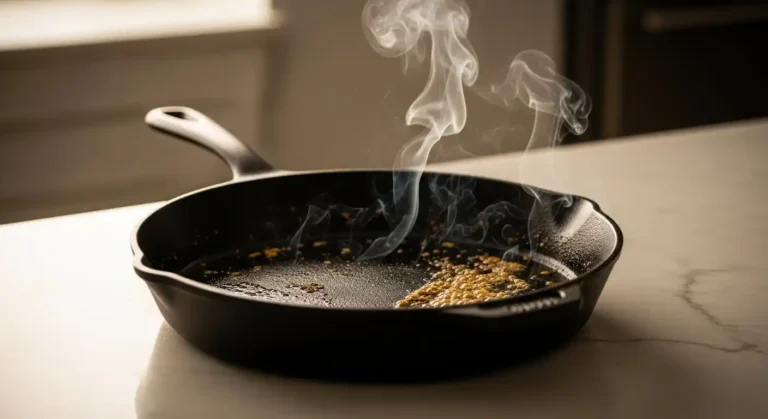
If you place a boiling pot or a hot cast-iron skillet directly on a quartz surface, the resin can burn or discolor, leaving a permanent “scorch mark.” You must always use trivets or hot pads.
Porcelain is essentially fireproof. Since it is born in a kiln at thousands of degrees, the heat from a kitchen stove is nothing to it.
You can take a pan directly from the burner and set it on the counter without any fear of damage.
2. Durability: Hardness vs. Brittleness
Both materials are incredibly hard, but they react to impact differently.
Quartz is very difficult to scratch and, thanks to the resin binders, it has a bit of “give.” This makes it highly resistant to chipping.
If you drop a heavy jar on a quartz counter, it is likely to bounce off without causing damage.
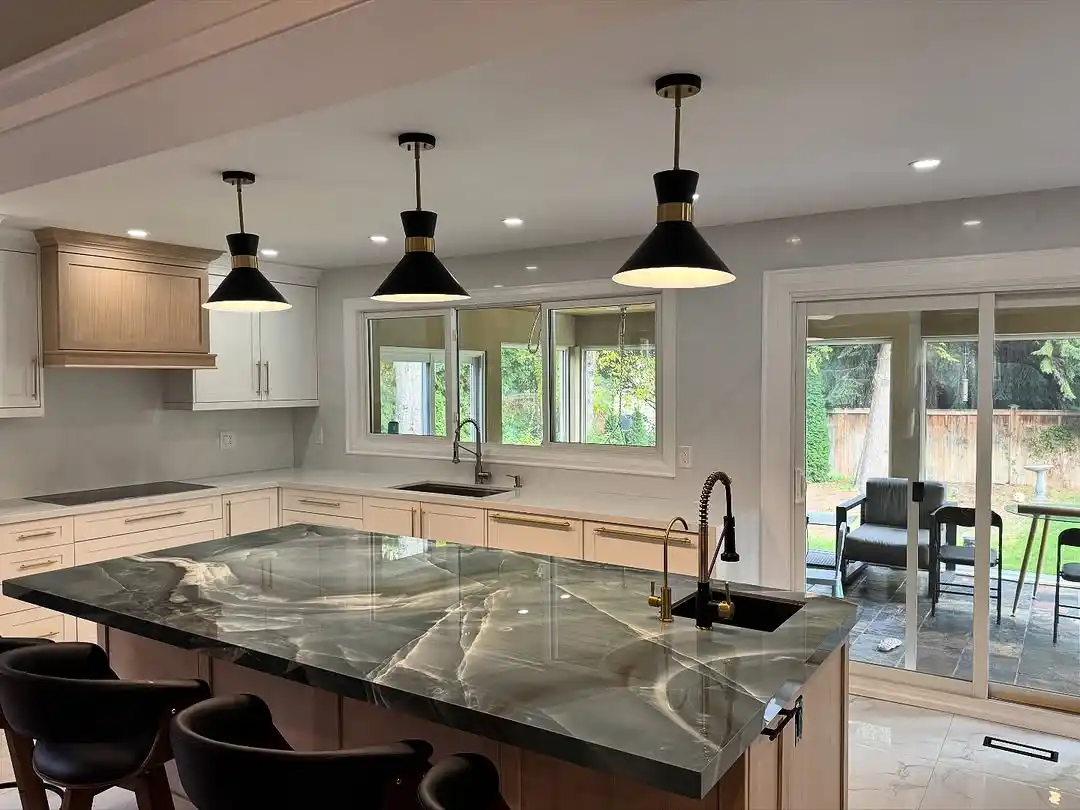
Porcelain is actually harder than quartz (ranking higher on the Mohs scale), making it nearly impossible to scratch with a knife.
However, that hardness makes it brittle. Porcelain is much more prone to chipping, especially on the edges, if hit with a heavy object.
3. Aesthetics and Design
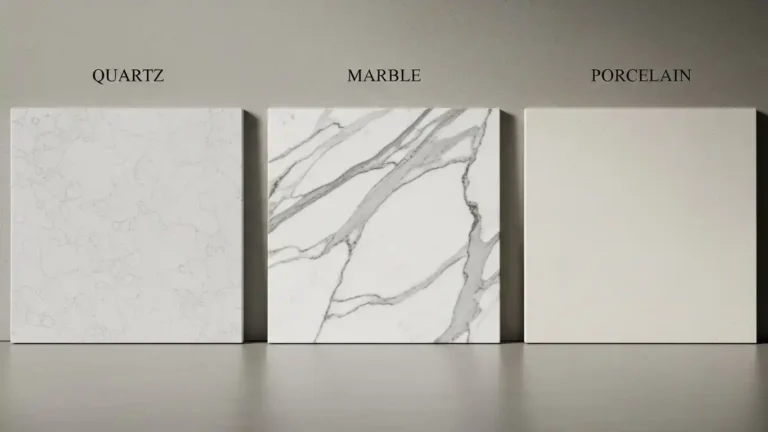
The pattern in a quartz slab goes all the way through the material.
This means that if you have a “veined” quartz, you will see that vein even on the side of the countertop or if you choose a decorative edge like a bullnose or ogee.
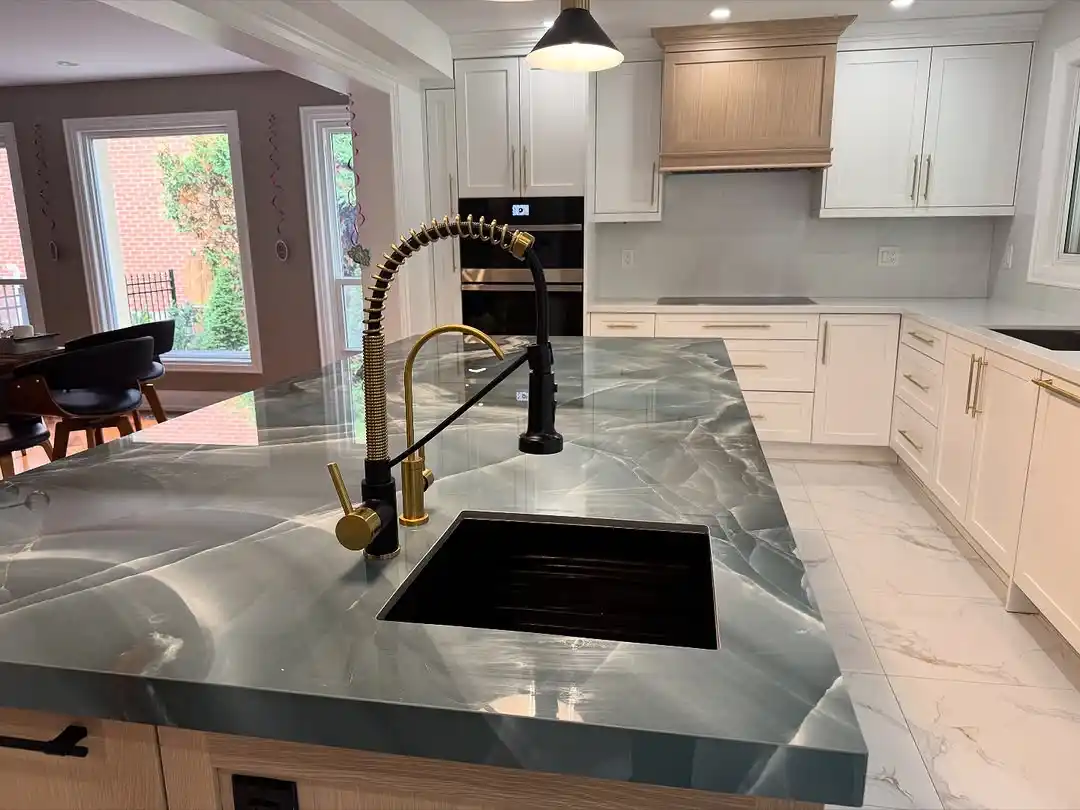
Most porcelain slabs have the pattern printed on the surface using high-definition inkjet technology. While these patterns are stunningly realistic, they are only “skin deep.”
If you look at the edge of a standard porcelain slab, it is usually a solid color.
To get a thick look with a continuous pattern, fabricators must use a “mitered edge,” which involves gluing two pieces together at a 45-degree angle.
4. Outdoor Use
Quartz is not suitable for outdoor use. The resins used to bind the stone are not UV-stable. If exposed to direct sunlight, quartz will yellow, fade, and eventually become brittle and crack.
Porcelain is completely UV-resistant. Its colors will not fade even in the harshest sunlight. This makes porcelain the premier choice for outdoor kitchens, BBQ islands, and patio dining tables.
5. Maintenance and Hygiene
Both materials are superstars in this category.
Non-Porous: Neither material requires sealing. Unlike granite or marble, which have tiny pores that can soak up red wine or oil, porcelain and quartz are “liquid-proof.”
Cleaning: Both can be cleaned with simple soap and water. However, quartz is slightly more sensitive to highly acidic or alkaline chemicals (like bleach or concentrated oven cleaners), which can dull the resin finish. Porcelain is chemically inert and can handle almost any cleaning agent.
Installation and Fabrication Challenges
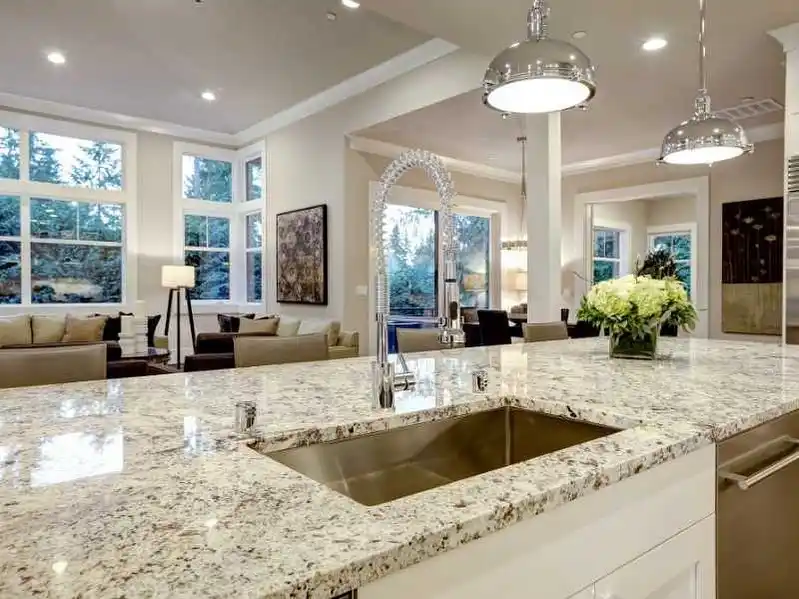
While the materials themselves are competitive, the installation process is where the porcelain vs quartz countertops comparison gets complicated.
Quartz is a dream for fabricators. It is easy to cut, easy to polish, and rarely breaks during the process. Most local stone shops have the equipment and expertise to handle quartz.
Porcelain, on the other hand, is a nightmare for many fabricators. Because it is so dense and thin, it is under a lot of internal tension.
If a fabricator makes a cut without the proper water-cooled diamond blades or doesn’t follow a specific “tension-release” cutting sequence, the entire slab can shatter.
This risk means that labor costs for porcelain are often significantly higher than for quartz, and you may have a harder time finding a qualified installer.
Cost Comparison
On a per-square-foot basis, the raw slabs of porcelain and quartz are often priced similarly—ranging from $25 to $50 per square foot for the material.
However, the total installed cost tells a different story:
- Quartz: Typically costs $50 to $100 per square foot installed.
- Porcelain: Typically costs $60 to $120 per square foot installed.
The higher price for porcelain is almost entirely due to the specialized labor and the risk of breakage during fabrication.
If you want a complex edge profile or a large island with no seams, expect to pay at the higher end of that range for porcelain.
Summary Table: Porcelain vs. Quartz
| Feature | Porcelain | Quartz |
| Heat Resistance | Excellent (Fireproof) | Moderate (Needs trivets) |
| Scratch Resistance | Excellent | Very High |
| Chip Resistance | Low to Moderate (Brittle) | High |
| Outdoor Use | Yes | No |
| Sealing Required | No | No |
| Pattern Depth | Surface-printed (usually) | Through-body |
| Installation Cost | High | Moderate |
Environmental Impact
For the eco-conscious homeowner, both materials have pros and cons.
- Quartz uses natural stone but relies on petroleum-based resins to hold it together.
- Porcelain is made from 100% natural minerals and clays and contains no chemicals or VOCs. However, the kilns used to fire porcelain require a massive amount of energy.
Generally, porcelain is considered the “greener” option because it is fully recyclable and does not off-gas chemicals, but both are considered more sustainable than frequently shipping heavy blocks of natural marble across the globe.
The Verdict: Which Should You Choose?
The winner of the porcelain vs quartz countertops debate depends entirely on your lifestyle and where the counter is being installed.
Choose Quartz if:
- You have a busy household with kids who might bang heavy pots against the edges (lower chip risk).
- You want a wide variety of edge profiles (like rounded or ornate edges).
- You are on a slightly tighter budget for installation.
- You want a “through-body” pattern that looks the same from every angle.
Choose Porcelain if:
- You are an avid cook who wants to place hot pans directly on the counter without thinking twice.
- You are designing an outdoor kitchen or a space with heavy sunlight.
- You want a very thin, modern, “minimalist” aesthetic.
- You want the most hygienic, chemically resistant surface possible.
Final Thoughts
Both porcelain and quartz represent the pinnacle of modern surface technology.
Quartz offers a “worry-free” experience regarding impact and installation, while porcelain offers a “worry-free” experience regarding heat and outdoor elements.
By understanding these nuances, you can choose the material that will not only look beautiful on day one but will stand up to the specific demands of your home for decades to come.