
The 1960s was an era of bold design, vibrant colors, and innovative functionality, which extended seamlessly into kitchen interiors.
Homeowners of the decade embraced playful aesthetics, sleek lines, and practical storage solutions that still inspire designers today.
If you are looking to add a touch of nostalgia to your modern home, exploring stunning 1960s kitchen cabinet ideas can offer both charm and functionality.
From geometric patterns and colorful laminates to minimalist wood finishes, the 1960s kitchen style blends visual appeal with practical design.
In addition to retro cabinet styles, mid-century kitchens often feature clever storage solutions, unique hardware, and playful textures that reflect the era’s optimism and innovation.
By integrating these elements thoughtfully, homeowners can achieve a balanced mix of vintage aesthetics and contemporary convenience.
This blog will explore a variety of inspirational cabinet ideas, practical tips, and design insights to help you recreate the timeless elegance of 1960s kitchens while keeping the space functional and visually appealing.
Understanding 1960s Kitchen Cabinet Styles
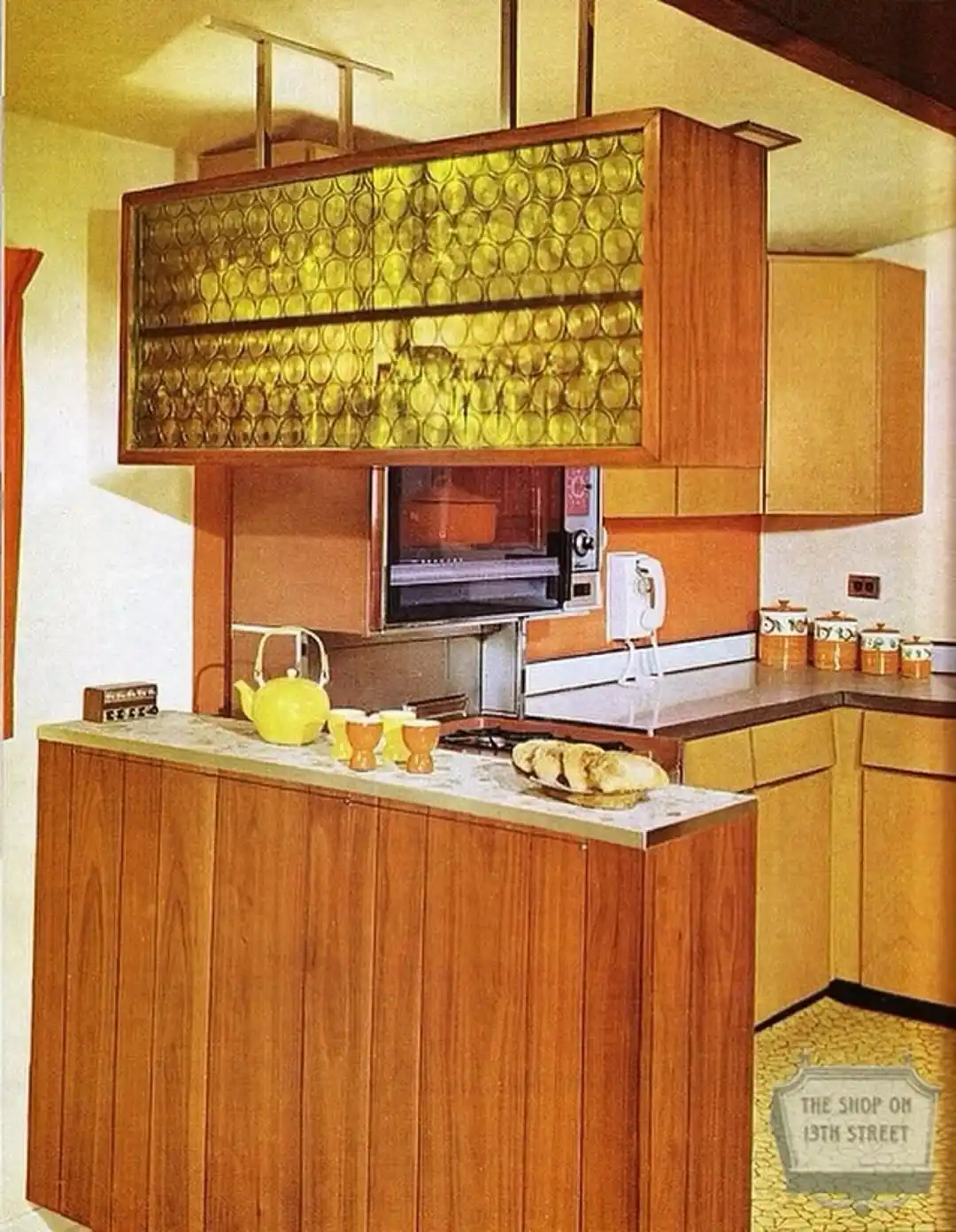
Before diving into specific cabinet ideas, it’s essential to understand the hallmark features of 1960s kitchen design.
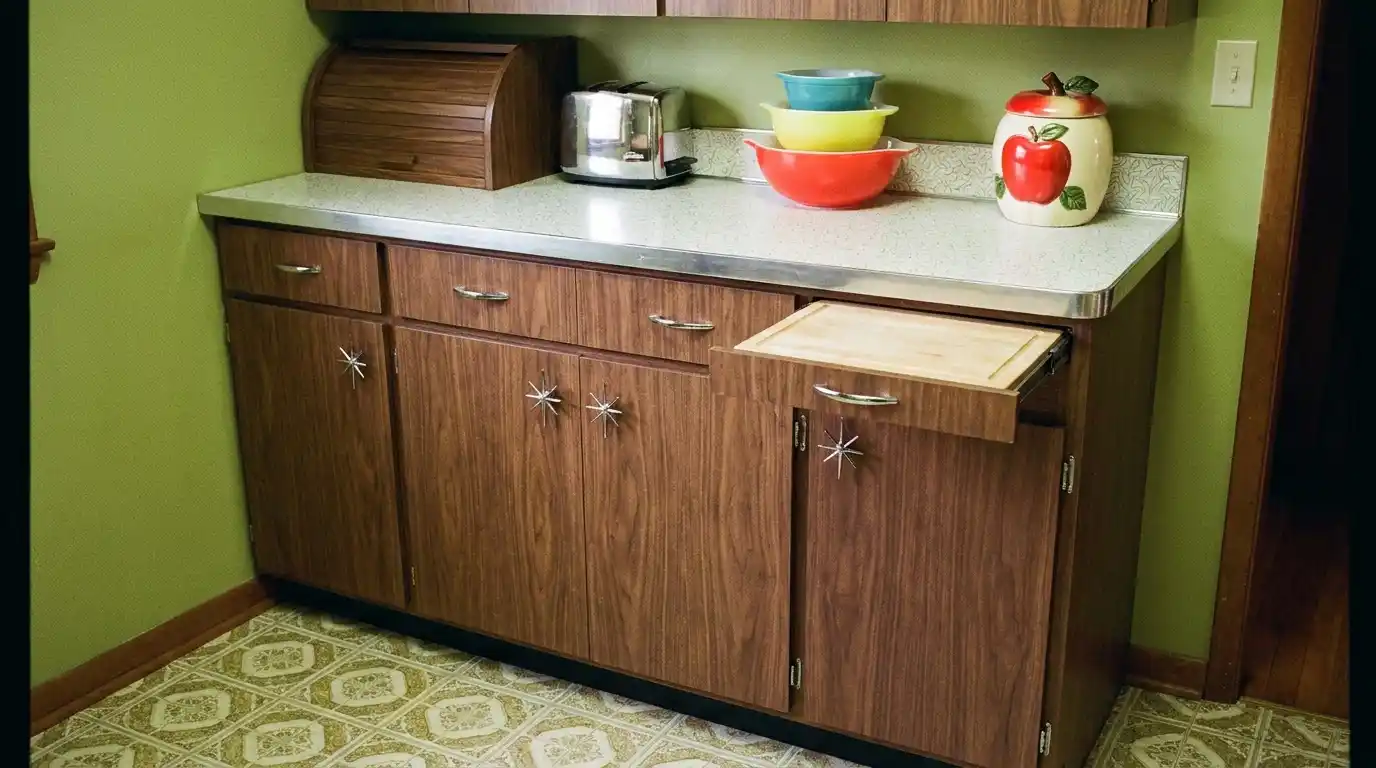
During this period, cabinets were characterized by clean, geometric lines, bold color palettes, and materials that were modern for their time, including laminates, veneers, and polished wood.
Hardware often included sleek, metallic handles, sometimes accented with colorful knobs to create visual interest.
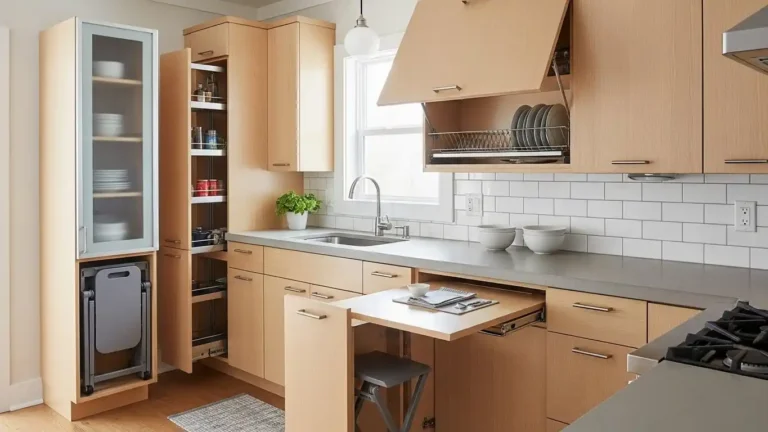
Another defining feature of 1960s kitchens was functionality. Cabinets were designed to maximize storage, often featuring pull-out shelves, glass-fronted doors, and clever corner units.
The era also embraced the combination of form and function, where cabinets were not just storage units but also decorative elements that added personality to the kitchen.
Understanding these characteristics can guide you in selecting cabinets that maintain authenticity while adapting to modern needs, whether through color choices, hardware updates, or layout improvements.
How to Incorporate Retro Cabinets into Modern Kitchens
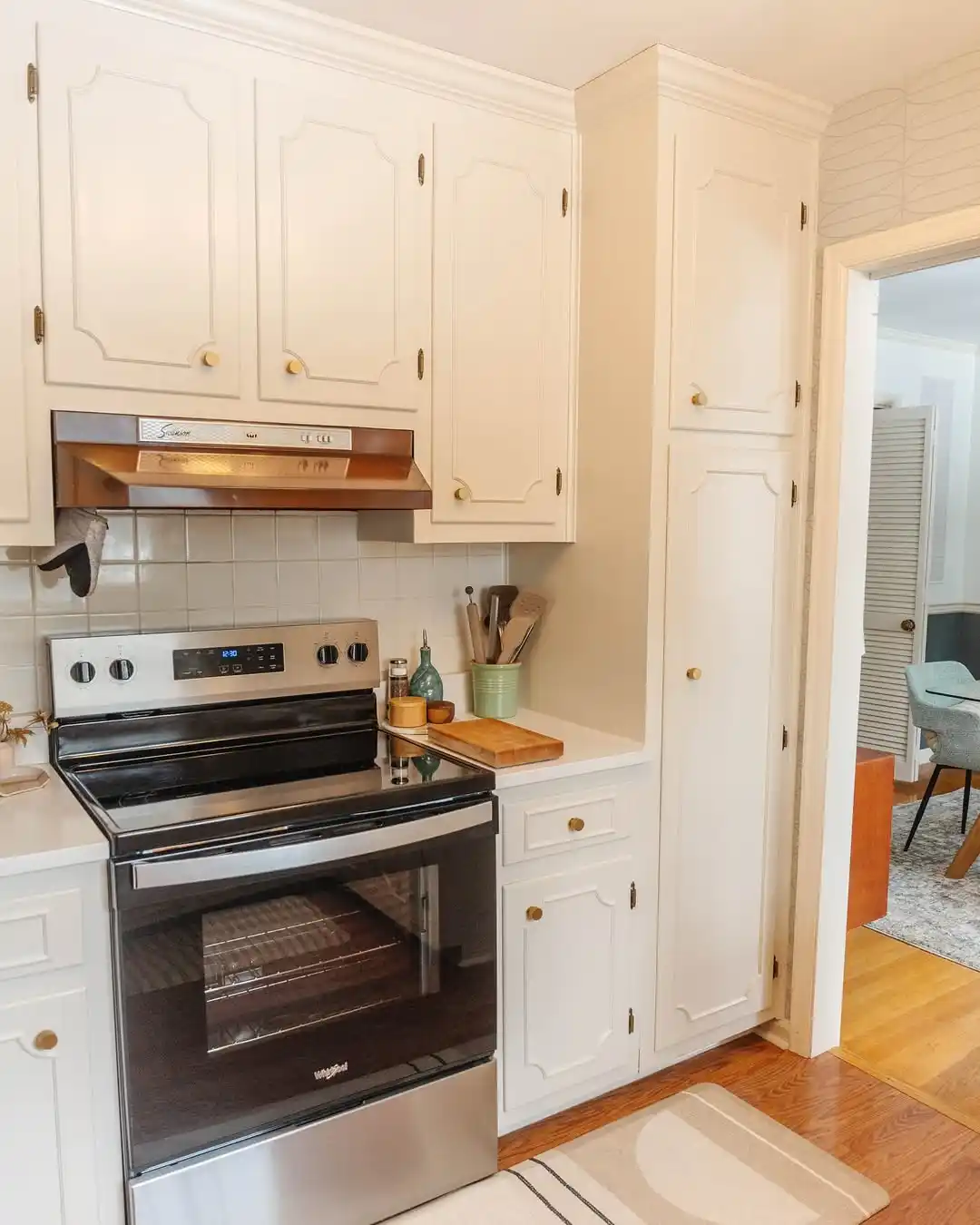
Incorporating 1960s kitchen cabinet ideas into a contemporary space requires a balance between nostalgia and functionality.
Start by selecting key retro features, such as colorful laminate doors, distinctive handle designs, or geometric patterns, and combine them with modern materials like quartz countertops or energy-efficient lighting.
This allows the cabinets to stand out while ensuring the overall kitchen remains practical and durable.
Consider blending open shelving with traditional cabinetry, as open storage was a popular trend in mid-century kitchens.
It enhances visibility, provides easy access to kitchen essentials, and maintains the visual lightness that 1960s designs often emphasized.
Finally, balance the retro elements with neutral backgrounds or minimalistic flooring, allowing the cabinet design to remain the focal point while creating a cohesive, modern kitchen layout.
17 Stunning 1960s Kitchen Cabinet Ideas
Bold Two-Tone Cabinets
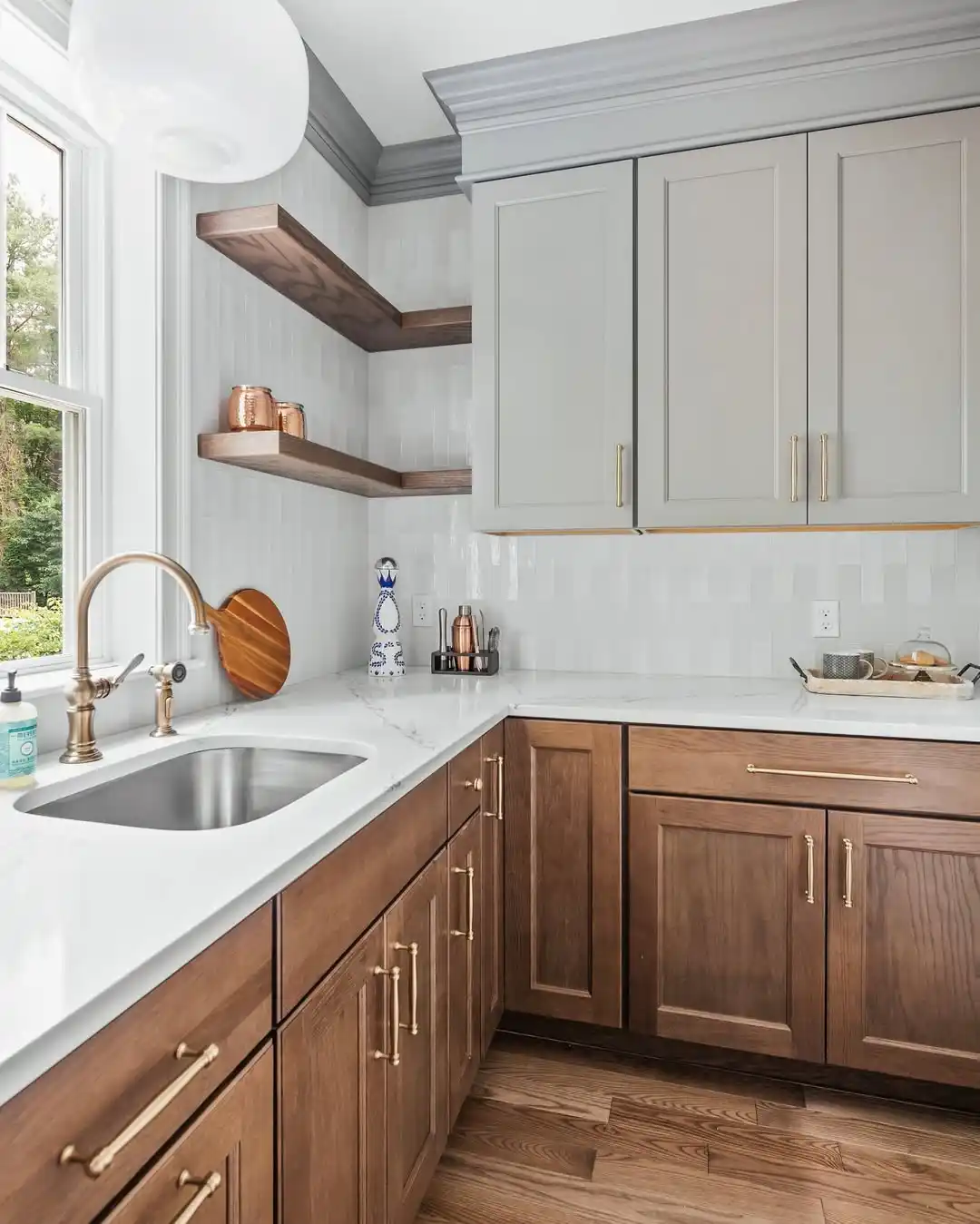
Two-tone cabinetry was a signature look in 1960s kitchens, often pairing a light color with a darker contrasting shade to create depth and visual interest.
For instance, upper cabinets could be painted a soft pastel like mint green or pale yellow, while lower cabinets feature a deeper hue such as walnut or navy blue.
This contrast draws the eye and adds dimension, reflecting the playful yet sophisticated design ethos of the decade.
Two-tone cabinets are versatile and can be customized to suit your home’s color palette.
Combining retro colors with modern hardware, such as brushed nickel or matte black handles, allows you to recreate a 1960s aesthetic while ensuring longevity and style relevance.
The bold use of color not only highlights the cabinets but also energizes the entire kitchen, making it a welcoming and visually striking space for family and guests.
Sleek Laminate Finishes
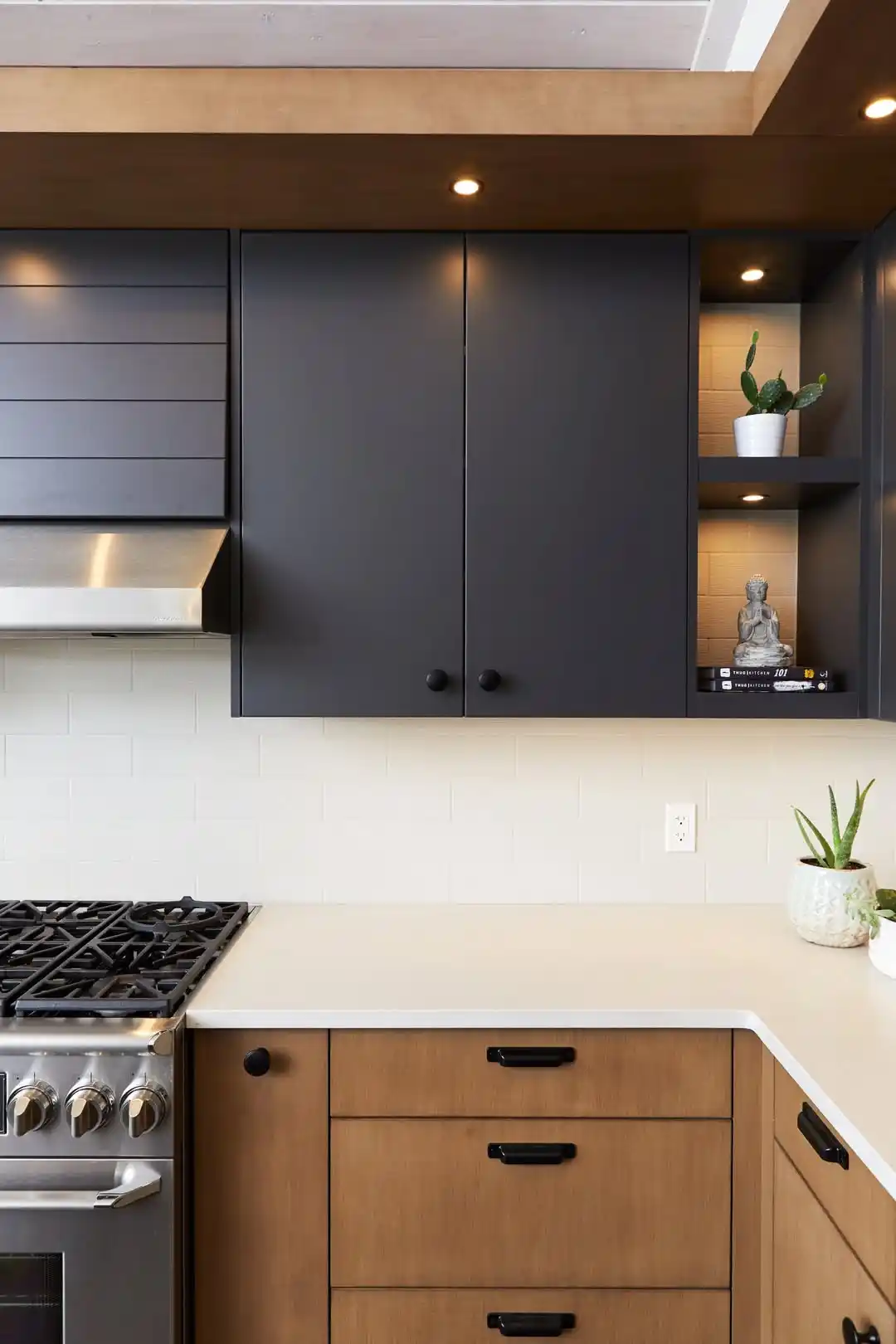
Laminates became extremely popular in the 1960s due to their affordability, durability, and wide variety of colors and patterns.
Modern homeowners can replicate this retro charm by selecting laminate cabinets in bright, saturated colors, or opting for geometric patterns reminiscent of mid-century design.
Laminates also offer the advantage of easy maintenance, making them perfect for busy kitchens without compromising on style.
Pairing laminate cabinets with simple, unadorned countertops and minimalistic backsplashes creates a striking balance between the vibrant cabinetry and the overall kitchen design.
Additionally, laminated surfaces can mimic the appearance of wood or stone, providing flexibility for homeowners who want a vintage aesthetic without excessive upkeep.
Incorporating laminate finishes ensures your kitchen embodies the bold and playful spirit of the 1960s while remaining practical and modern.
Glass-Front Cabinet Doors
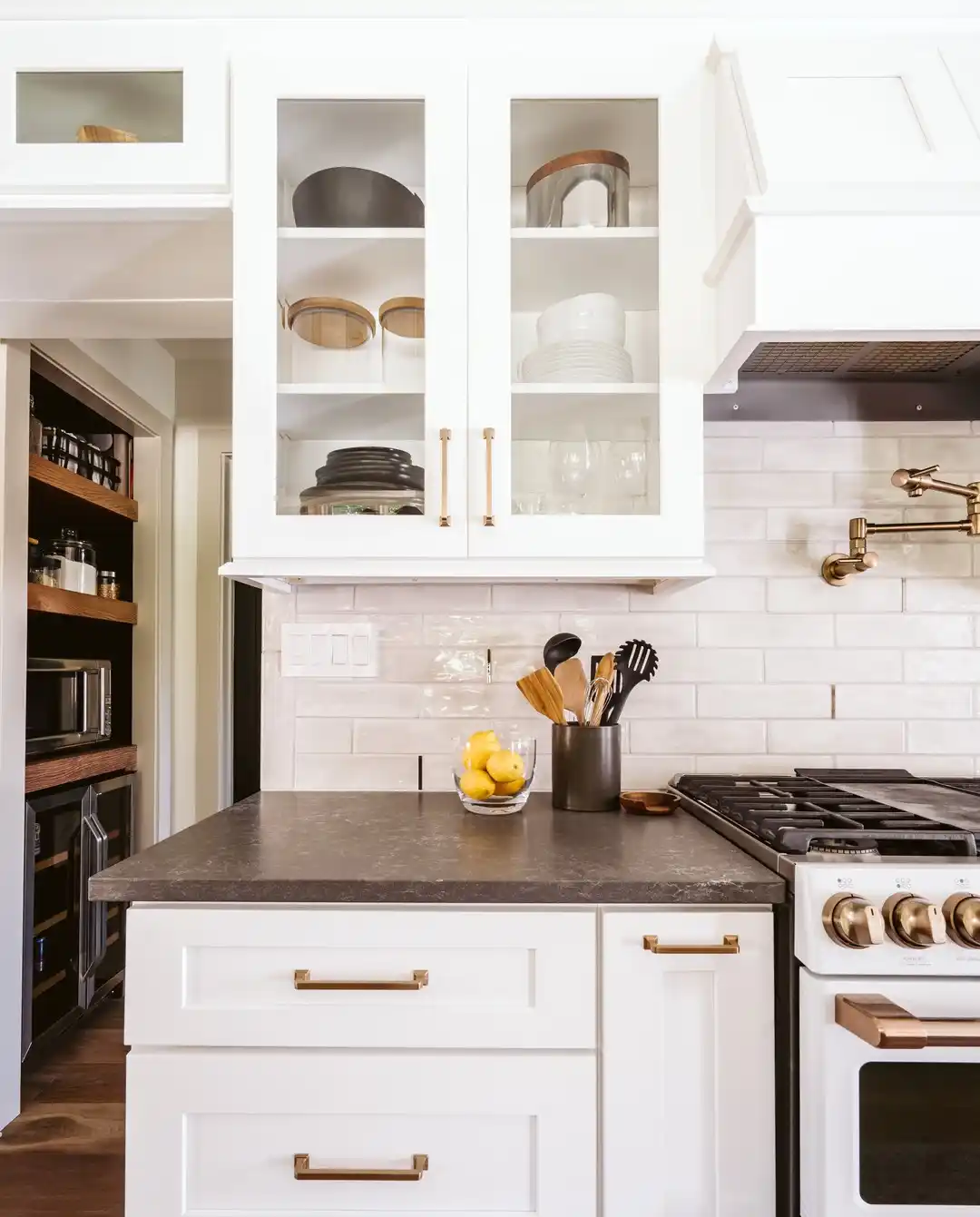
Glass-front cabinet doors were a popular choice in the 1960s as they showcased dishware and decorative kitchen items while adding a sense of openness.
Transparent or frosted glass panels on upper cabinets create depth and allow light to travel through the space, making the kitchen feel brighter and more inviting.
Combining these with wooden or laminate lower cabinets can balance functionality with decorative appeal.
Glass-front cabinets also encourage organized storage, since the contents are visible, and they provide an opportunity to display attractive dishware or retro collectibles.
Using modern lighting inside or above these cabinets enhances the visual effect, seamlessly blending vintage charm with contemporary design trends.
This cabinet style is perfect for homeowners seeking elegance, transparency, and a playful nod to the 1960s era.
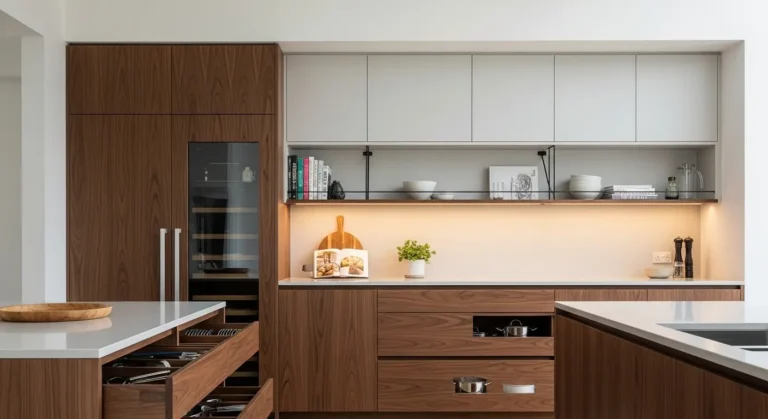
Minimalist Wood Cabinets
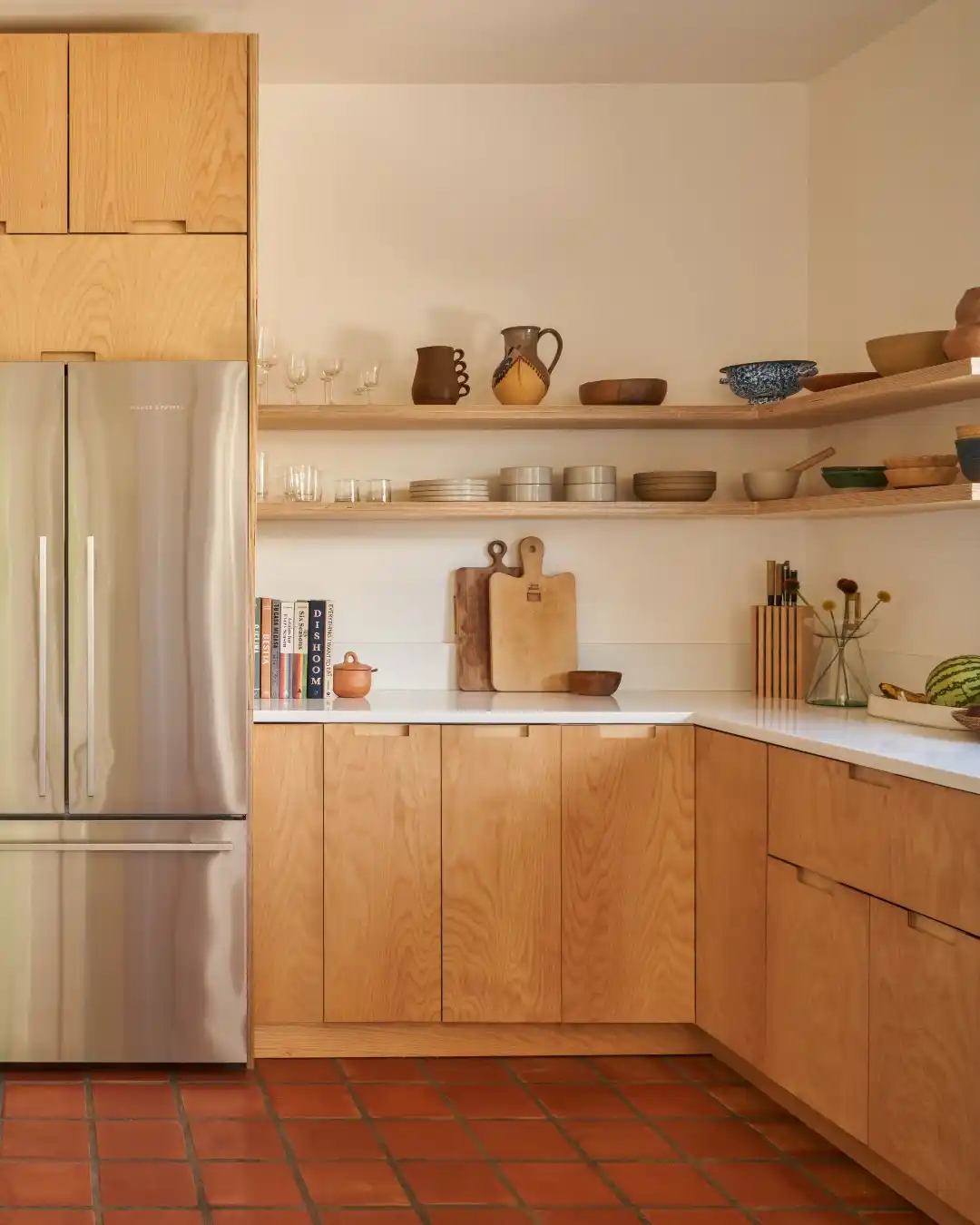
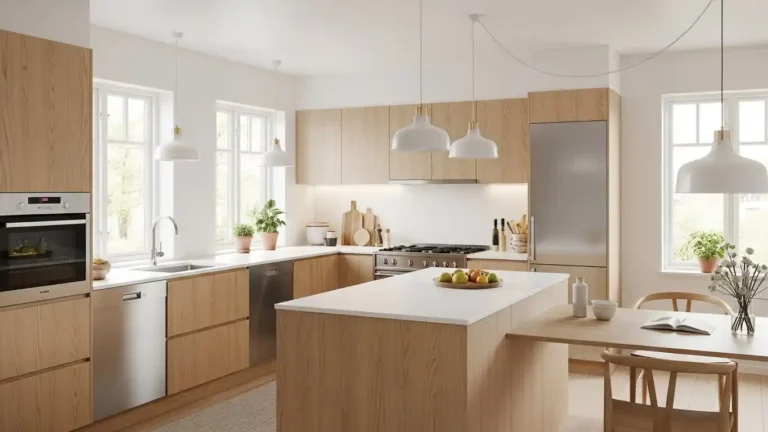
While bold colors and laminates dominated the era, natural wood cabinets also defined mid-century kitchens for homeowners who preferred a more understated, organic aesthetic.
Flat-panel wood doors with subtle grain patterns offer a timeless look that pairs beautifully with both retro and modern kitchen elements.
Shades of teak, oak, and walnut were particularly favored during the 1960s, offering warmth and sophistication without overwhelming the space.
Combining minimalist wood cabinets with modern hardware or muted countertops creates a harmonious balance that preserves the nostalgic charm of the 1960s while providing functional and elegant storage solutions.
This approach is especially appealing for those who prefer a calmer, neutral palette while still incorporating retro influences.
Geometric Paneling and Detailing
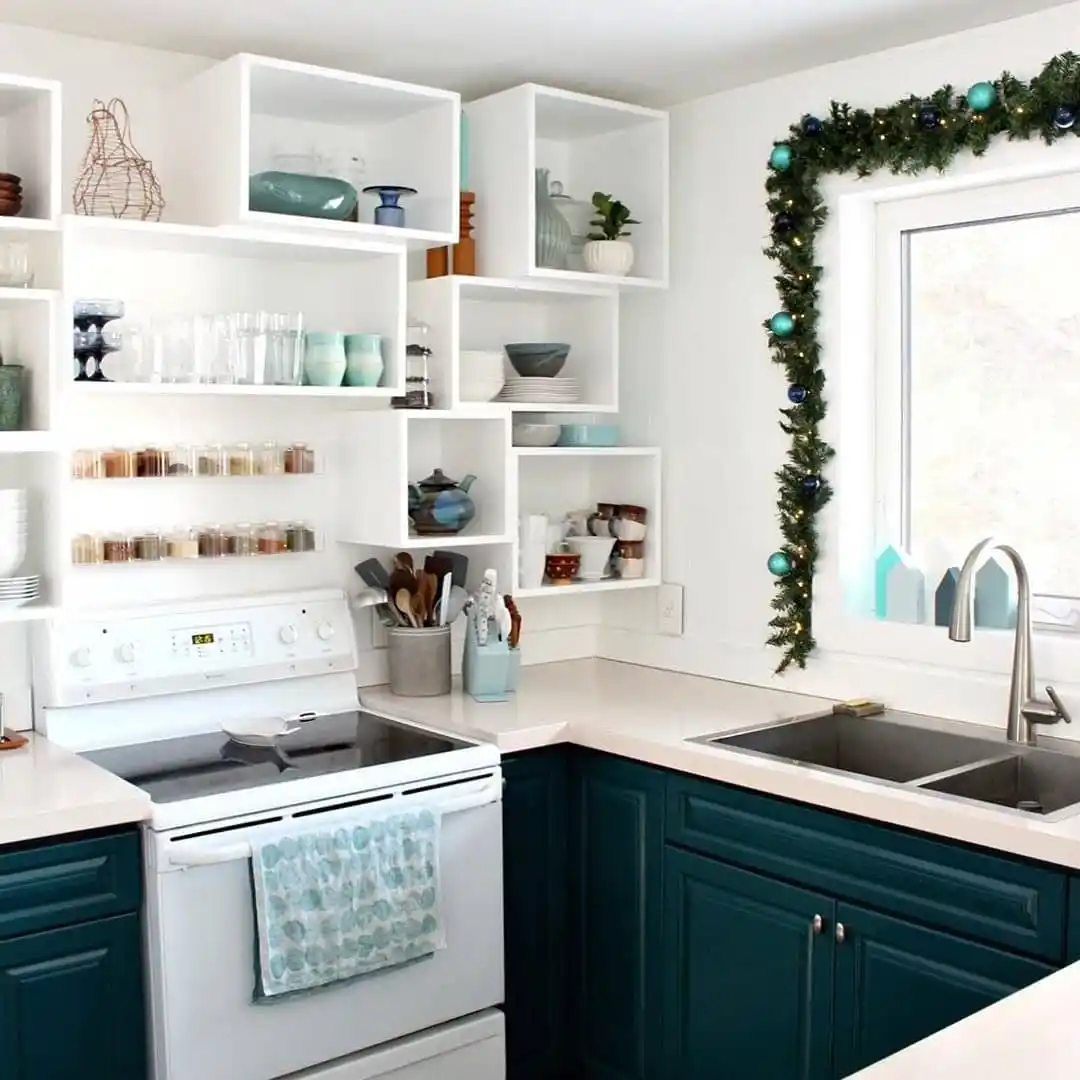
Geometric patterns and paneling were hallmarks of mid-century design, often appearing on cabinet doors, drawer fronts, and even hardware accents.
Square, rectangular, or diamond-shaped panels can be incorporated subtly to give cabinets texture and visual intrigue.
This design approach adds character and depth to the kitchen without relying solely on color, making it suitable for both vibrant and neutral palettes.
Geometric detailing pairs well with minimalistic countertops and modern appliances, creating a visually engaging yet functional kitchen space.
It also allows homeowners to celebrate the playful spirit of the 1960s while keeping the overall design clean and sophisticated.
These patterns provide an effective way to highlight cabinets as both functional and decorative components in your kitchen design.
Vibrant Pastel Colors
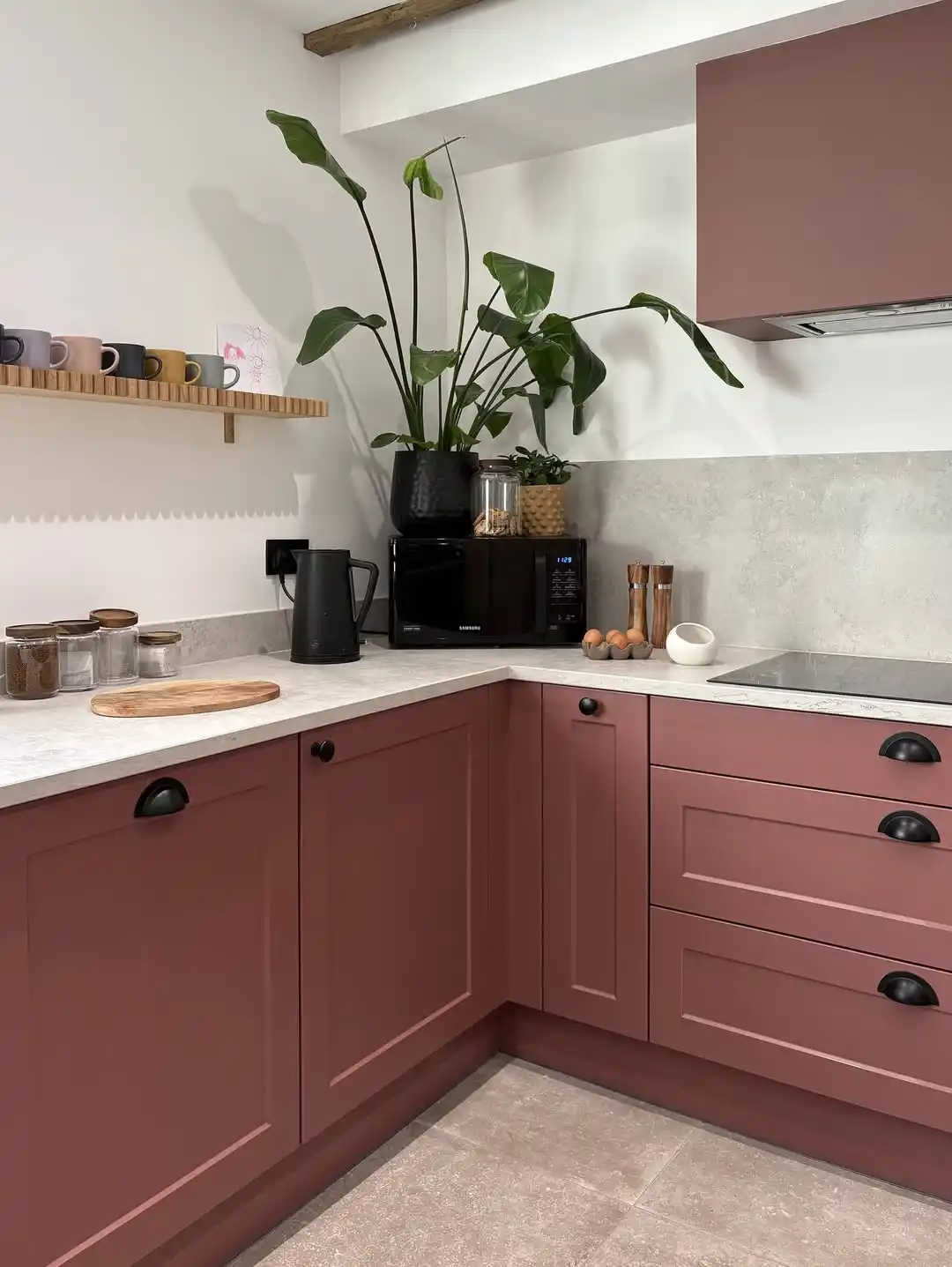
Pastel colors defined much of the 1960s home interior, including kitchen cabinetry, offering a cheerful, welcoming atmosphere.
Soft pinks, mint greens, powder blues, and buttery yellows evoke nostalgia and create a lively yet calming environment.
Combining these pastel hues with natural wood accents or neutral countertops provides balance and prevents the color from overpowering the space.
Pastel cabinets also pair beautifully with modern metallic hardware and contemporary lighting, helping bridge retro style with current kitchen trends.
This approach allows homeowners to inject personality into the space while keeping it functional, stylish, and aligned with mid-century aesthetics.
These colors can also work as accents within two-tone schemes, enhancing the visual appeal and energy of your kitchen design.
Innovative Storage Solutions
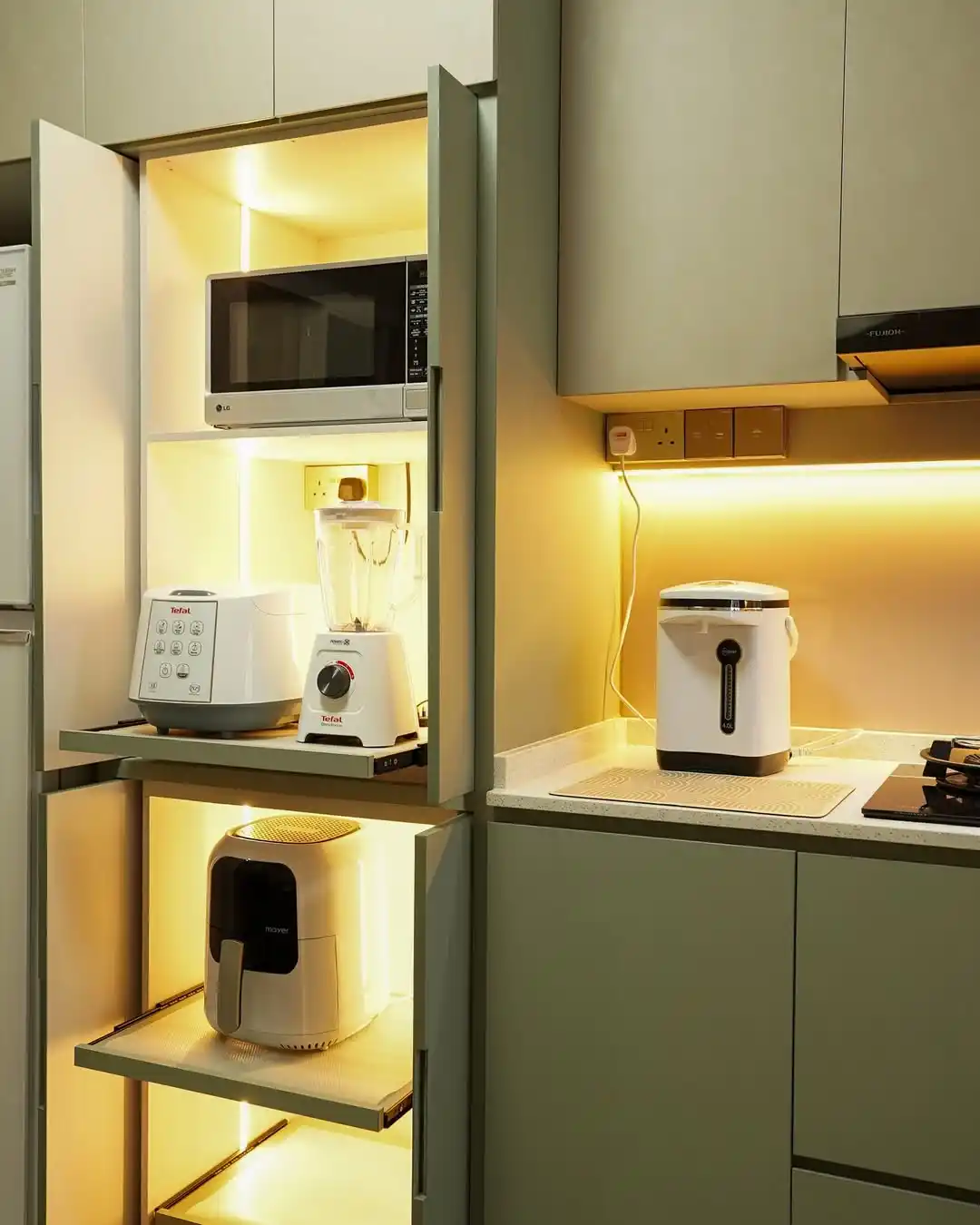
1960s kitchen cabinets were celebrated for their clever and practical storage solutions, which often included pull-out drawers, lazy Susans, and hidden compartments.
Incorporating these features in modern kitchens inspired by the 1960s ensures the space is not only visually appealing but also highly functional.
Pull-out spice racks, utensil dividers, and built-in organizers allow easy access to items while maintaining a clean, clutter-free environment.
Even with bold retro colors and patterns, storage innovations ensure the kitchen remains practical for daily use.
Combining functional solutions with vintage-inspired cabinet styles guarantees that your space embodies the full spirit of 1960s kitchen design while meeting contemporary storage needs efficiently.
Selecting Hardware That Complements Retro Cabinets
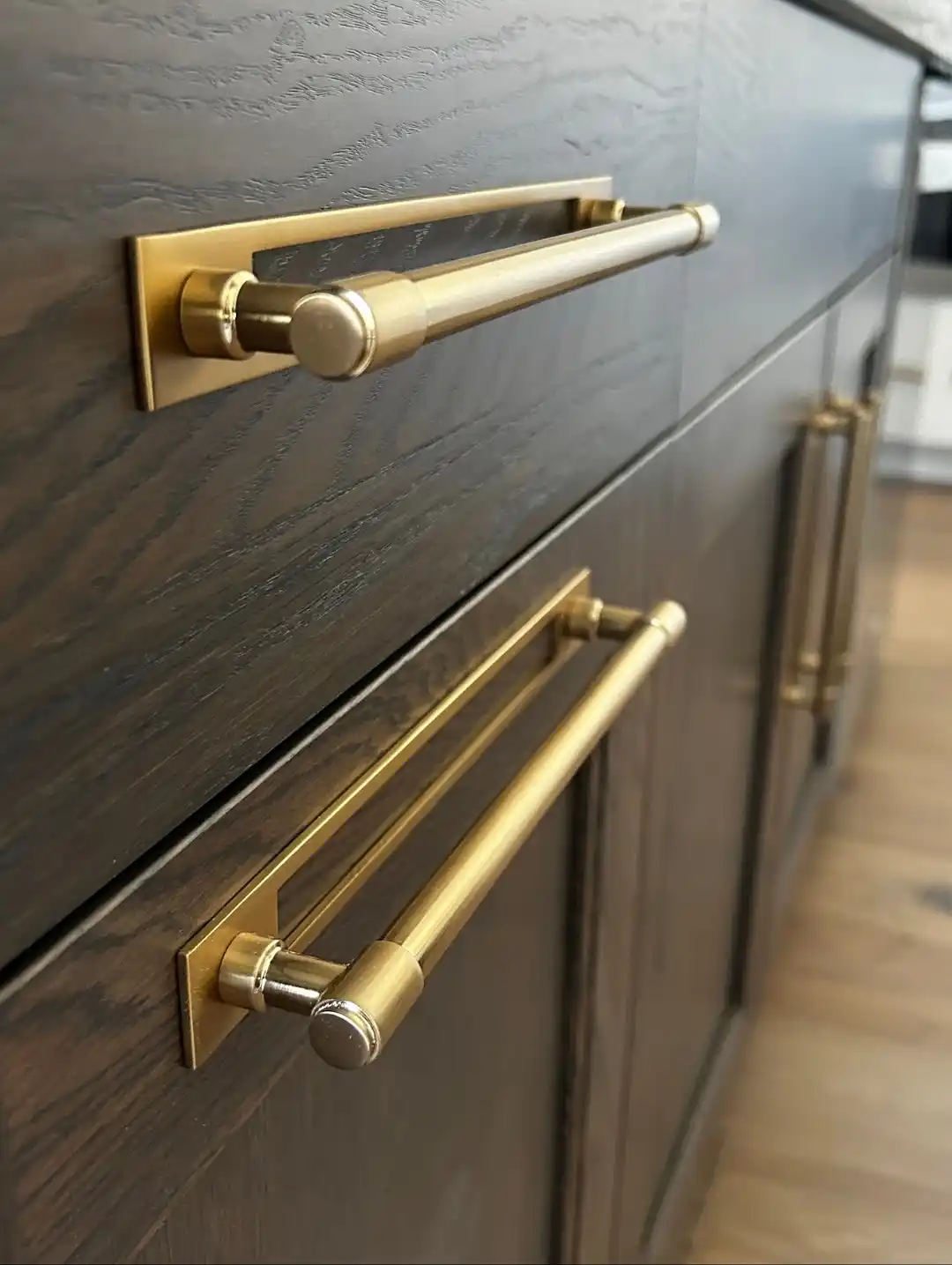
The right hardware can transform a 1960s-inspired kitchen from ordinary to extraordinary.
Cabinet handles and knobs from the era ranged from sleek metallic bars to playful, colored acrylic knobs.
Modern interpretations can include brushed gold, matte black, or polished nickel finishes that maintain the retro aesthetic while offering durability and ease of use.
Choosing hardware thoughtfully ensures that the cabinets remain the focal point, enhancing both functionality and visual appeal without overwhelming the design.
Additionally, integrating matching or complementary hinges, pulls, and drawer handles reinforces a cohesive look that honors the 1960s style while incorporating modern convenience and practicality.
Maintaining Retro Cabinets for Longevity
Proper maintenance is crucial to preserve the beauty and functionality of retro-inspired kitchen cabinets.
Regular cleaning, careful handling of hinges and handles, and periodic refinishing of wood or laminate surfaces prolong the cabinets’ lifespan.
For laminate cabinets, using gentle cleaning solutions prevents discoloration or scratches. Wood cabinets may benefit from occasional polishing to maintain their natural luster.
Ensuring hardware is tightly secured and operating smoothly prevents wear and tear over time.
Maintaining the cabinets carefully allows homeowners to enjoy the timeless charm of 1960s kitchen design while ensuring they continue to meet modern usability standards, blending nostalgia with practicality seamlessly.